CAN DESIGN 2026
5-8 March

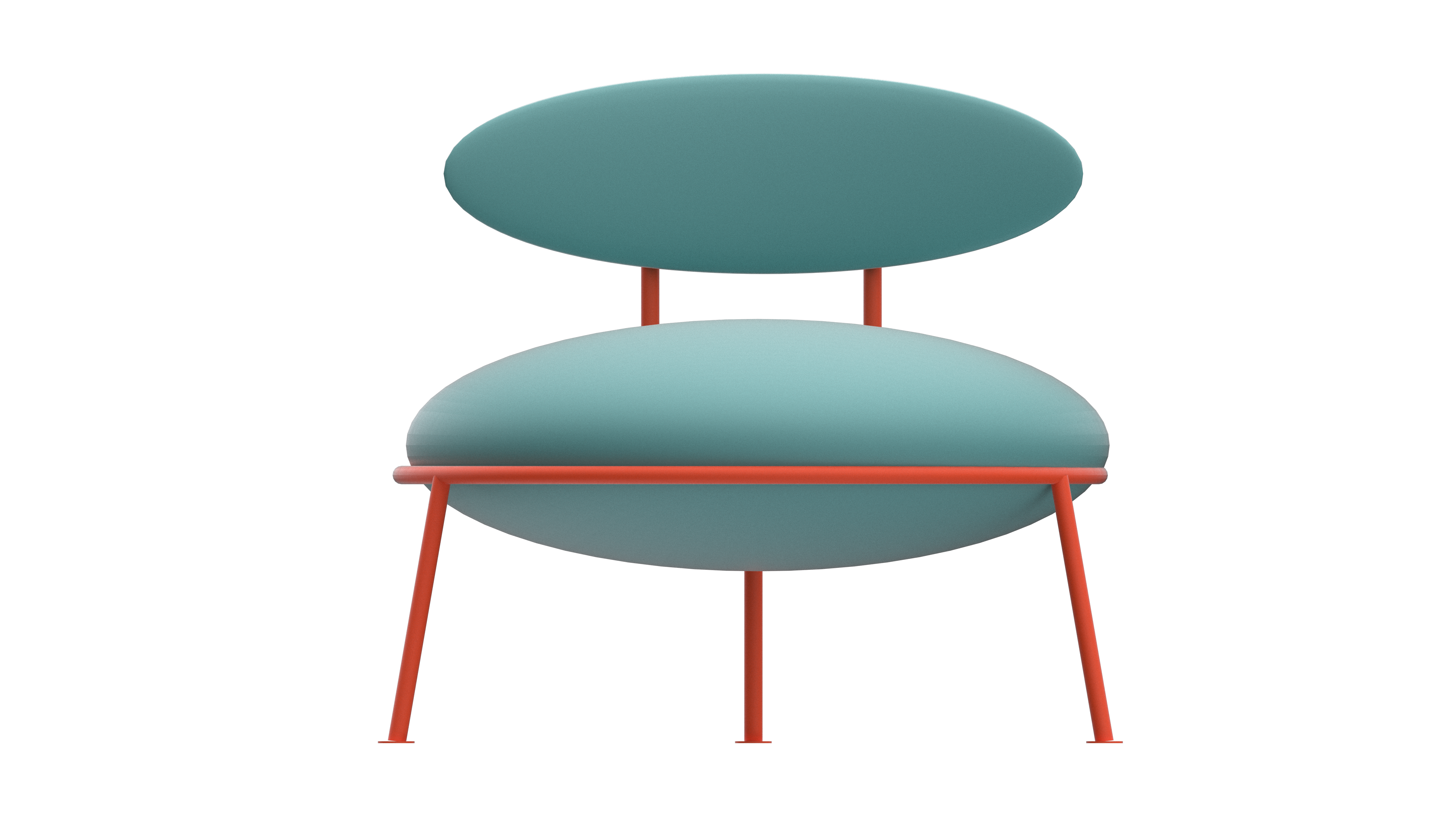
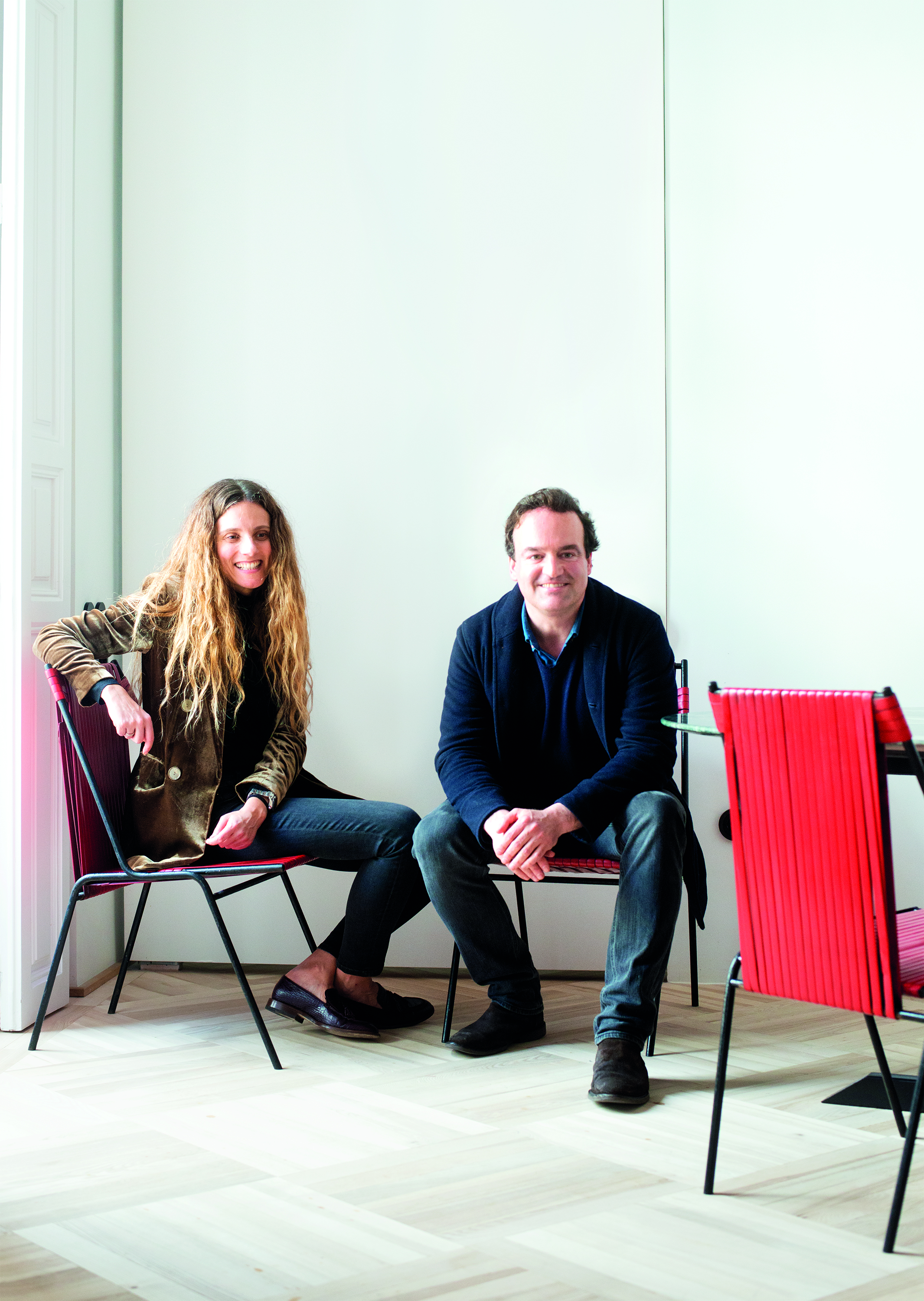
CAN Design arrives as the new section of CAN Art Fair Madrid dedicated to collectible design: works that naturally sit between art and architecture, design, and craftsmanship. The proposal focuses on an increasingly vibrant creative territory where disciplines intersect and contemporary language expands.
CAN Design celebrates this fertile crossroads by bringing together works that engage with art, architecture, design, and craftsmanship from multiple perspectives. Participating artists include Belén Moneo, Alicia Framis, Andrés Jaque, Gaspard Fleury-Dugy, Birgitte Due Madsen, Raffaella Mangiarotti, Lee Sisan, Luz Moreno Pinart, Loumi Le Floc’h, Lionel Jadot, Krestadesign, and Lluís Aleixandre.
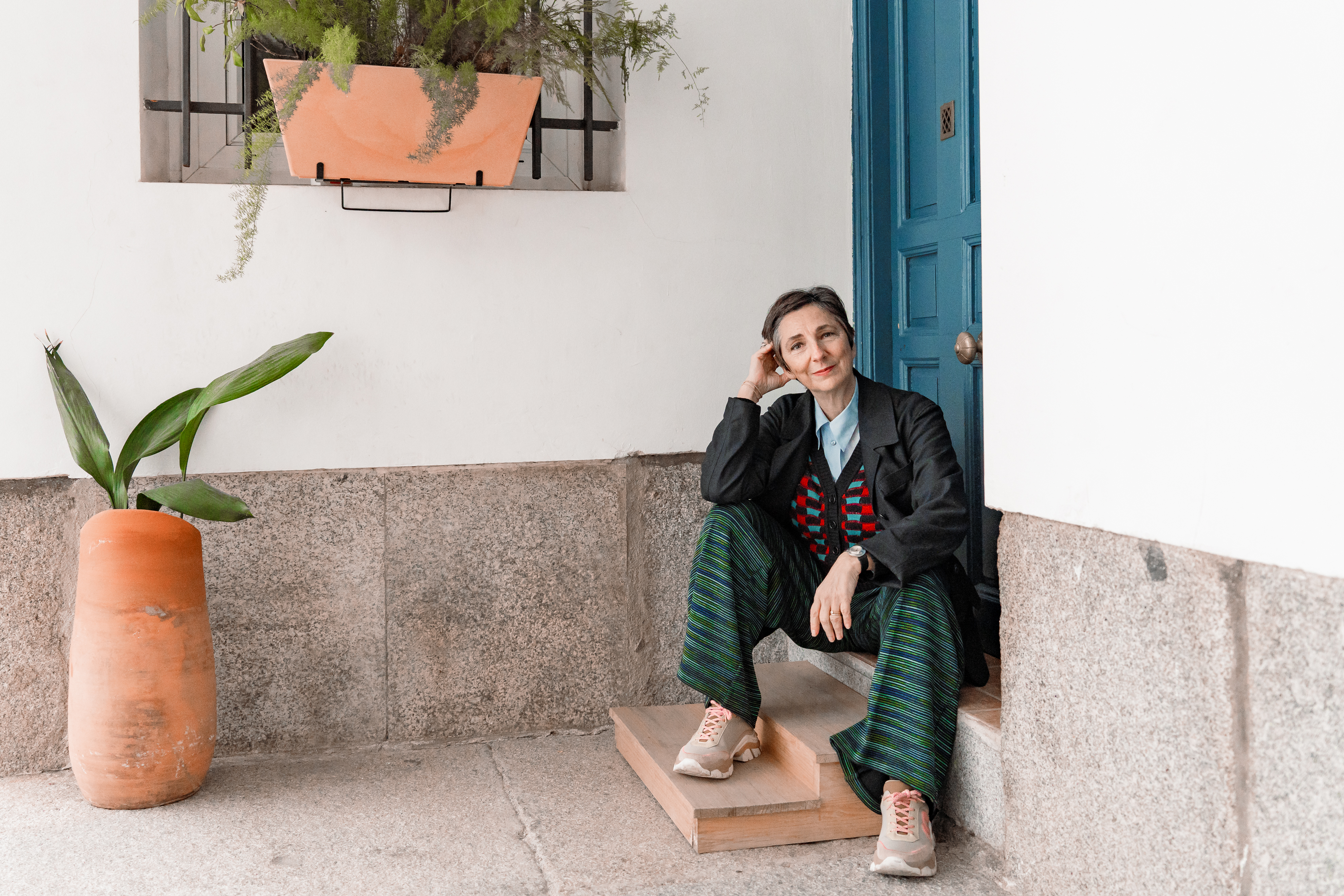
The section makes its Madrid debut with Mix Max, a selection that brings together around ten creators and champions the energy of contemporary design: combining, associating, and exploring new possibilities while fostering innovative diversity and the cross-pollination of perspectives. Curated by researcher and cultural communicator Marisa Santamaría, the proposal is guided by a vision aimed at connecting practices and opening up conversations between artists, gallerists, designers, architects, and artisans.
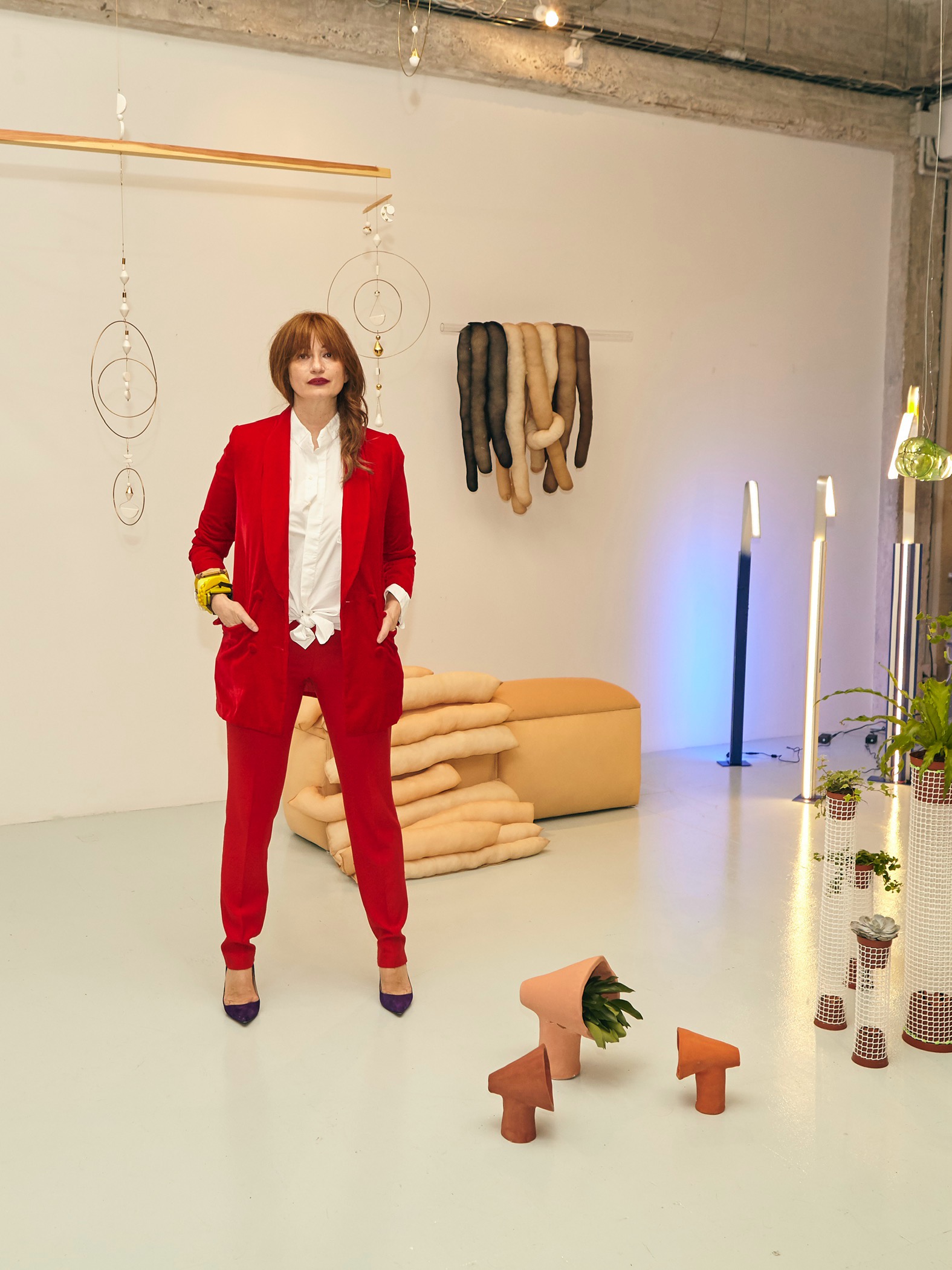
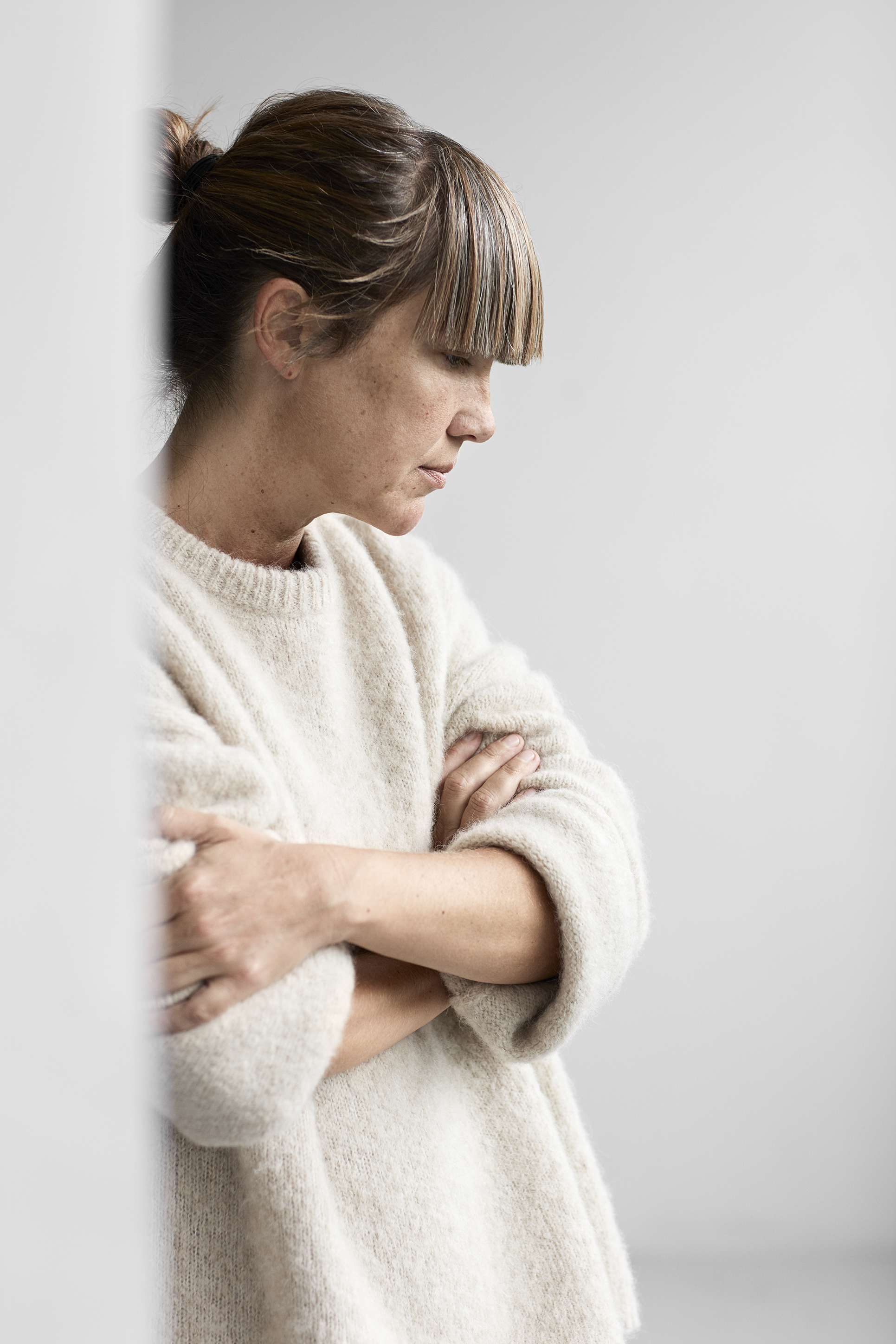
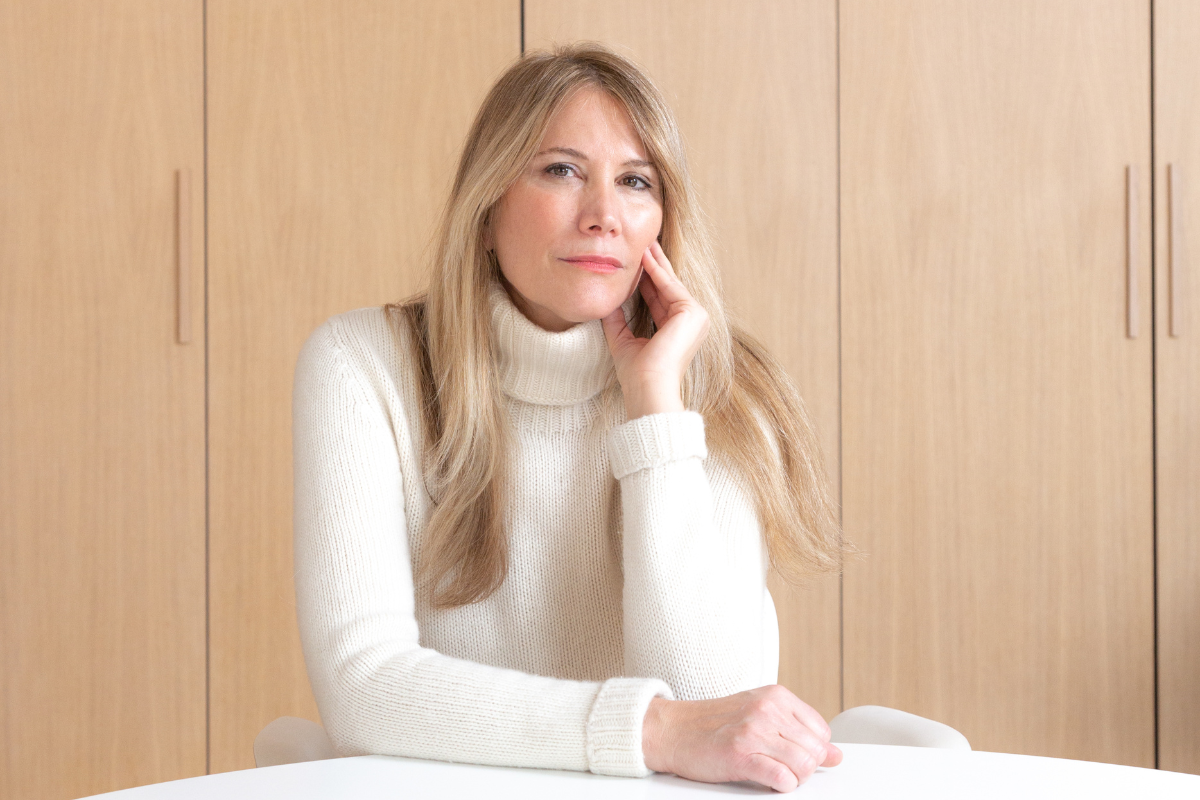
Marisa Santamaría, Curator
She is the founder of the Global Design & Innovation Trends Unit and works as a researcher, curator, and cultural communicator specializing in global design connected to 21st-century social and cultural movements. She works between Madrid, Milan, and Paris. She collaborates as a cultural contributor with brands and institutions such as Poltrona Frau, Bang & Olufsen, Rimadesio, &Tradition, BTicino, Lladró, Citroën, Simon Electric, Actiu, Salone del Mobile Milano, and Danish Design+. She serves as a Design Talents and Trends Forecaster for Maison&Objet Paris and leads the research project Atlas of Design Culture in Spain in collaboration with the Spanish Ministry of Culture and Sport and MDF. She has been a jury member for the Spanish National Design Awards (2023–2024) and the iF Design Award in Germany, and has taught at Poli.Design–Politecnico di Milano, where she develops the Poli.Design Trends Laboratory, as well as at IE University Architecture & Design and Universidad Nebrija.
She writes about design for publications such as El País, ICON Design, AD, ELLE Decoration, and Diseño Interior, and curates exhibitions focused on new narratives in design and architecture, including Cosas de arquitectos, Biblioteca Ilustrada del Diseño, MujerXMujer: Design in Transition, and 10 Emociones, 10 Rosas: Creators Committed Against Cancer.
One of her main current research projects focuses on “Sensoriality and Design,” exploring the relationship between craftsmanship and new technologies in collaboration with POLI.Design at Politecnico di Milano.
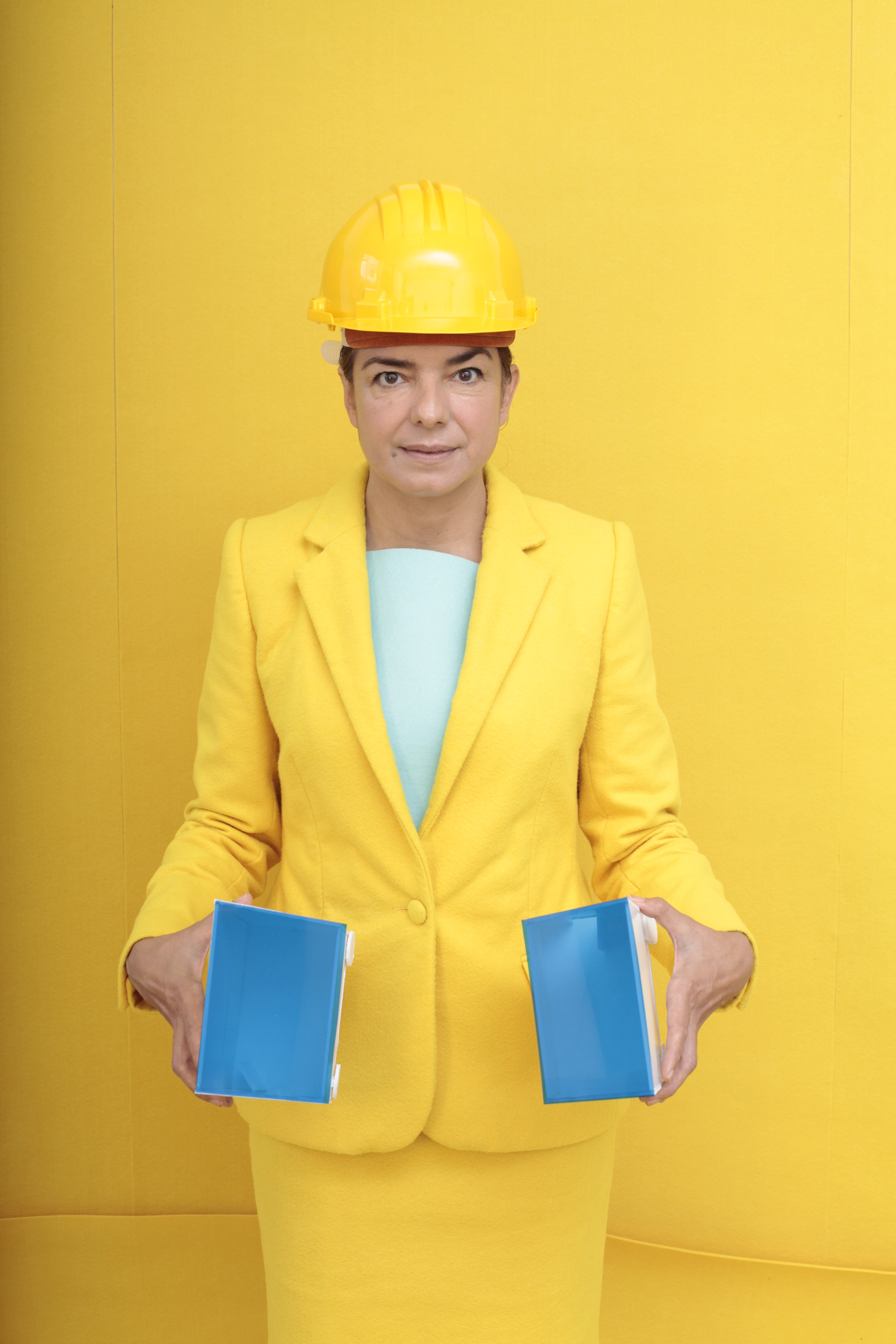
Alicia Framis, Designer
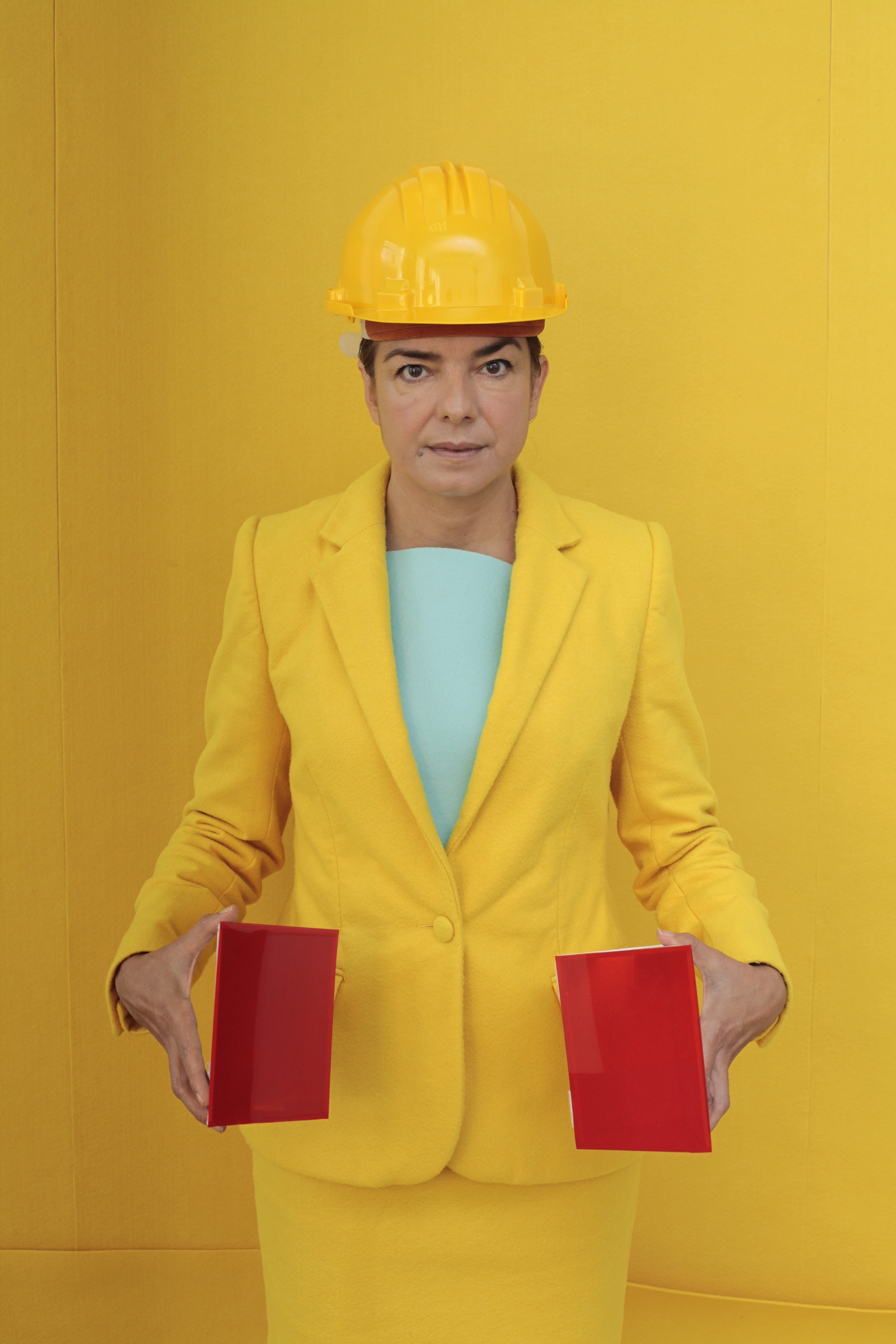
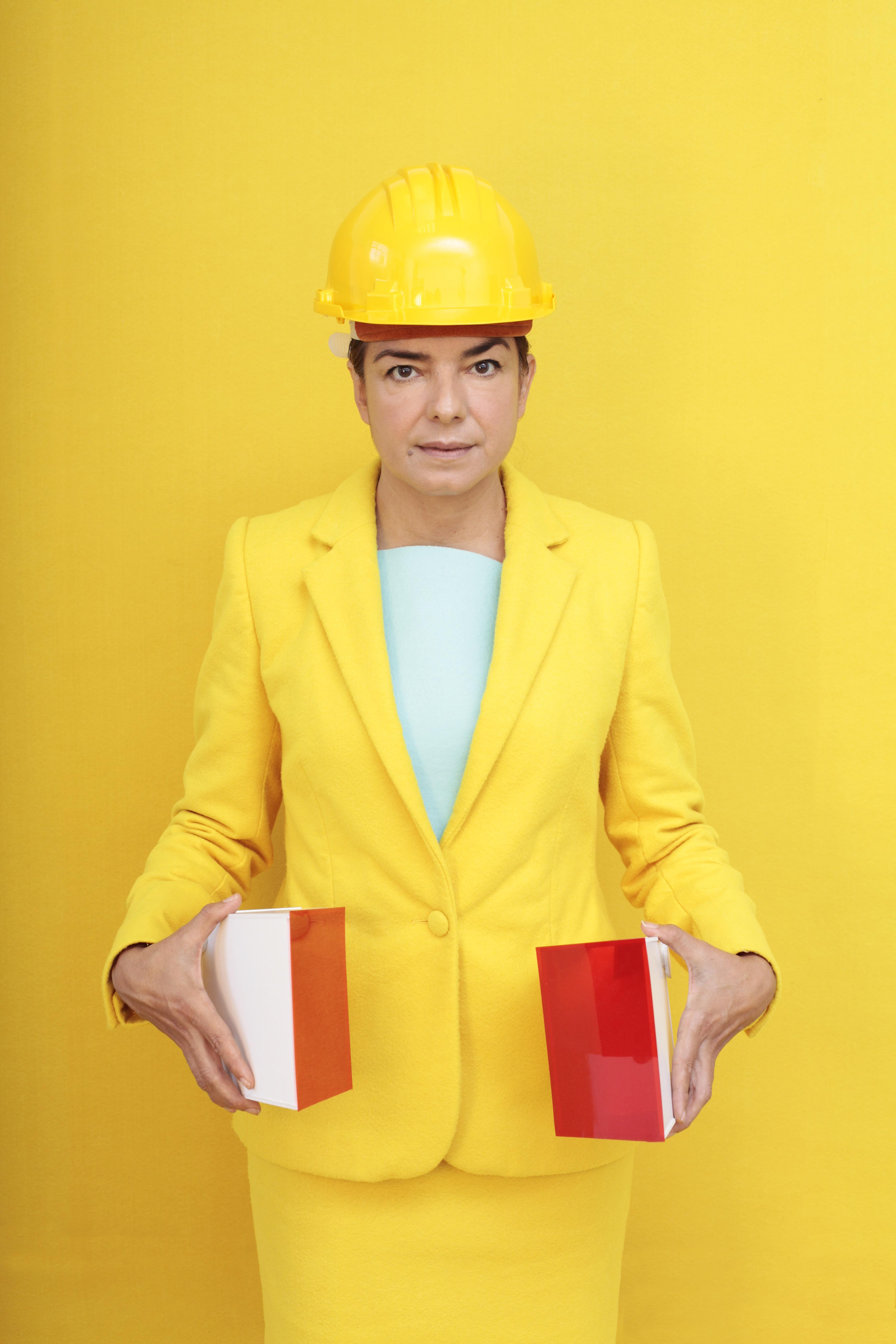
Alicia Framis is a Spanish/dutch artist who lives and works in Amsterdam and is considered one of the most important artists in Europe for her social involvement in women and minority issues in today’s society. As an artist, she carries out large-scale interventions to shake up systems and conventions. Her interventions, which are often made in collaboration with citizens, can be seen as social sculptures, combining art, architecture, design, garments, and performance. Public participation is a key component in Framis’ artistic practice. Her work creates new possibilities for living together.
Framis is a multidisciplinary artist who comments, in her practice, on outdated or uneven societal power structures and misgivings, formulating in her projects that range in scope from performance art, design, architecture, and garments, new ways of reclaiming social spaces for the underprivileged, overseen, undervalued, in contemporary cultures. As an artist she deals directly with her role as part of society, staging large-scale interventions to shake up economic systems and social structures. Her interventions are often seen as social sculptures, combining the designed aesthetic and idealist conviction, as an artwork with an active role for the viewer. Her projects were presented at many of the world’s most renowned museums and biennales and are part of prominent international public and private collections. Based on her artistic ideologies she founded and directed the MA program The Commoners Society at Sandberg Institute, the master’s program of the renowned Rietveld.
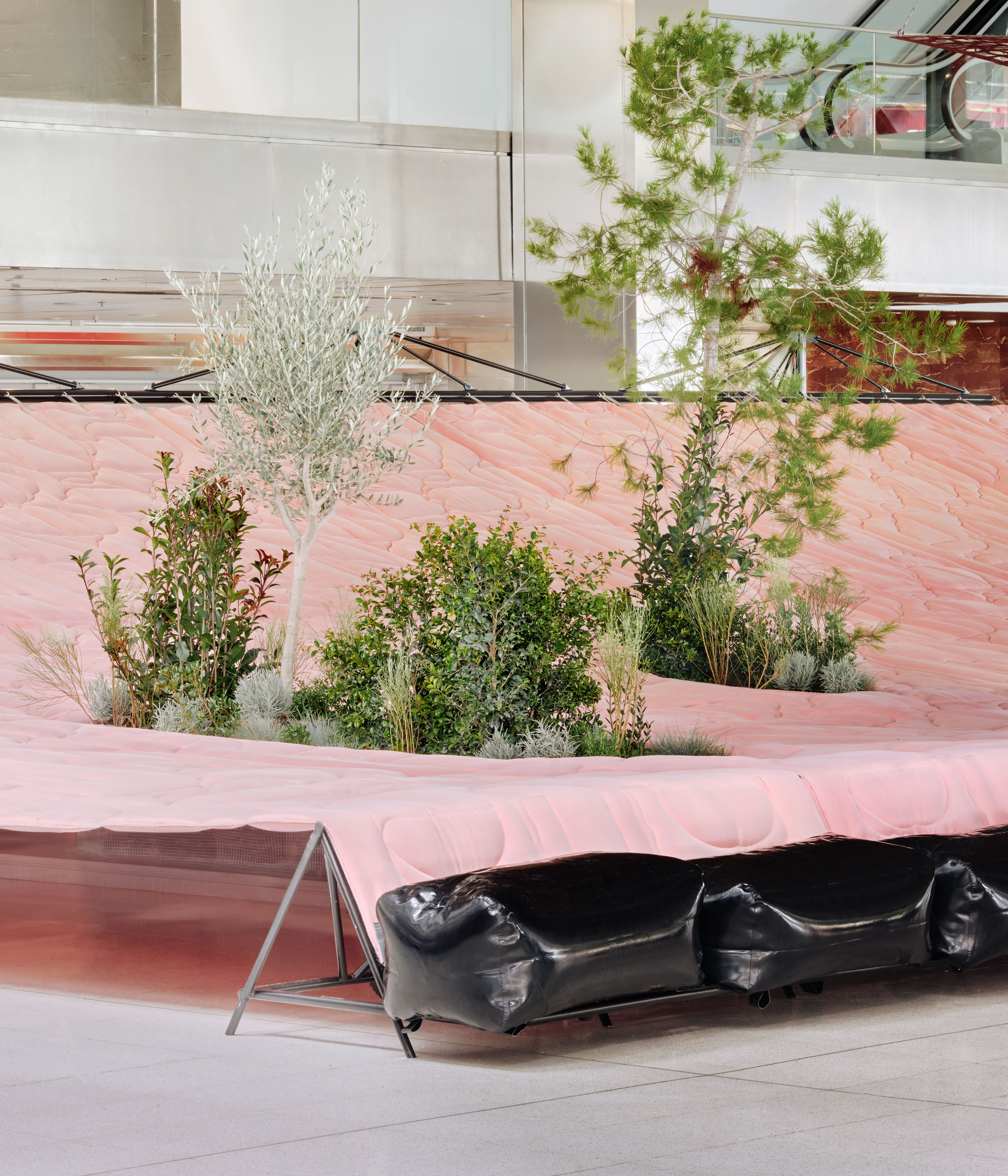
Andrés Jaque, Designer
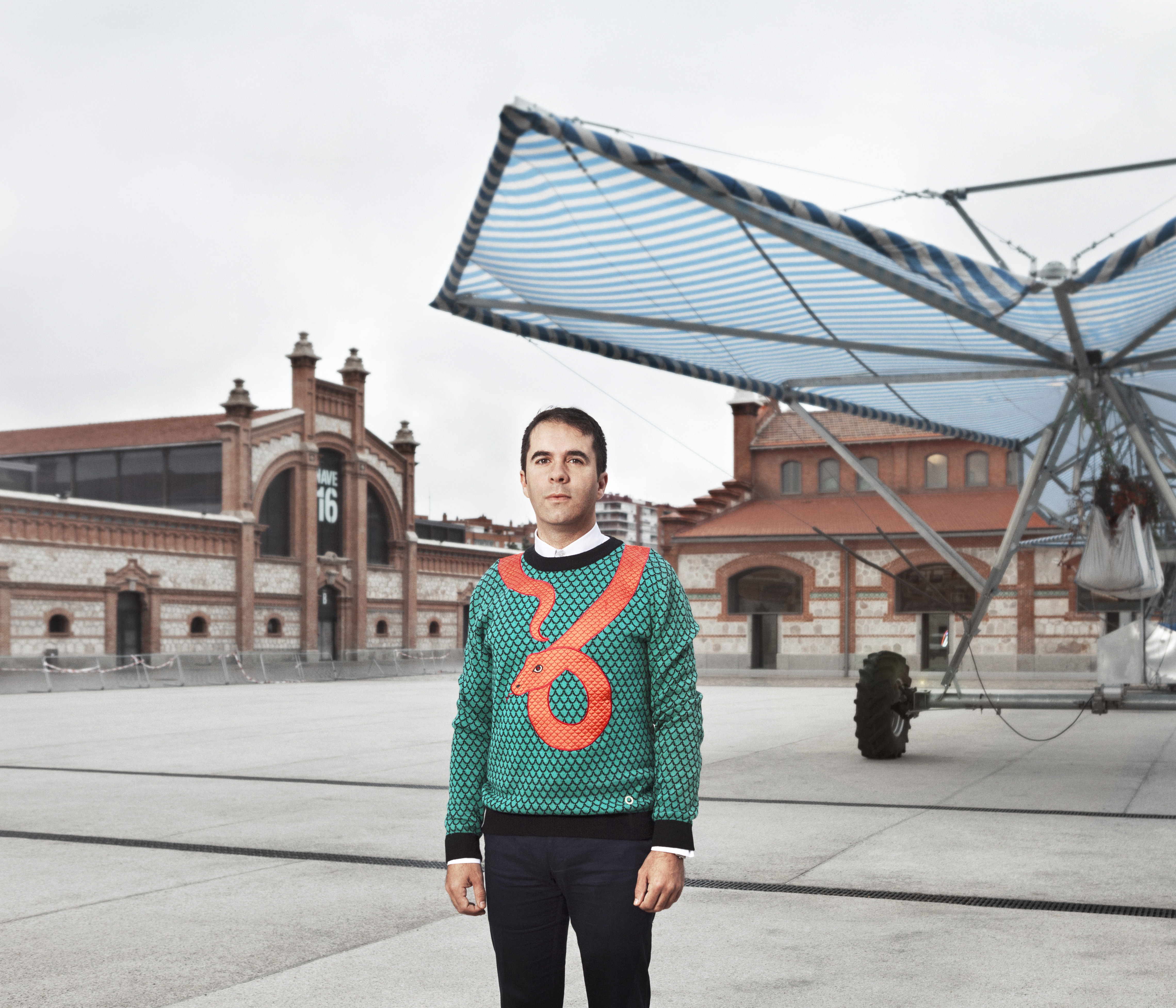
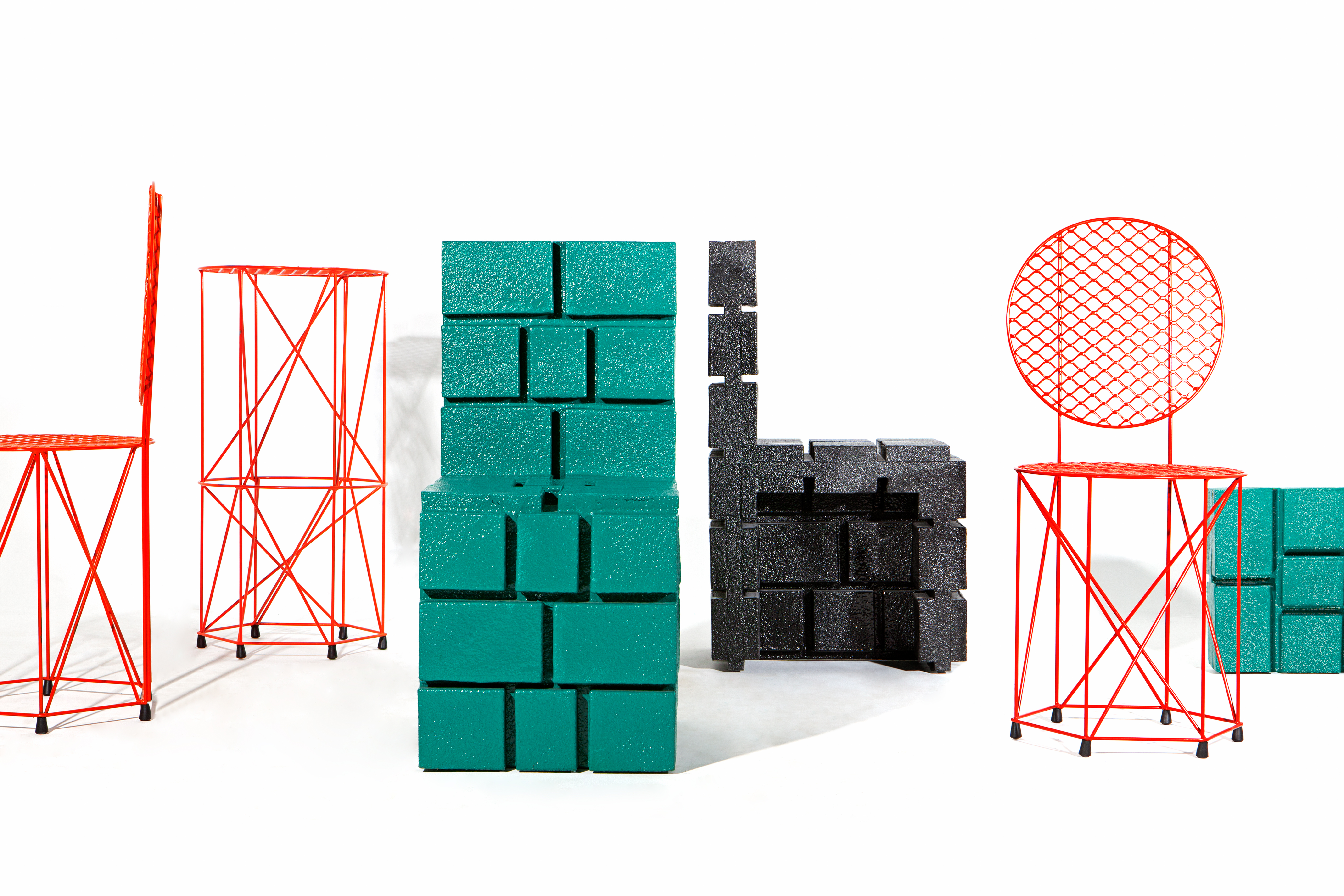
Andrés Jaque explores design as an entanglement of bodies, technologies, and environments. He is the founder of the New York/Madrid-based Office for Political Innovation and the Dean of Columbia University’s Graduate School of Architecture, Planning and Preservation. His awards include the Frederick Kiesler Prize for Architecture and the Arts, the Silver Lion at the 14th Venice Architecture Biennale, the UNESCO Global Award for Sustainable Architecture, and the Dionisio Hernández Gil Prize.
He founded the Office for Political Innovation (OFFPOLINN), an architectural practice based in New York and Madrid. The office’s award-winning projects include Reggio School (Madrid), Babyn Yar Museum of Memory and Oblivion (Kyiv), Thyssen-Bornemisza Ocean Space (Venice), the Transspecies Palace (Milan), COSMO at MoMA PS1 (New York), Escaravox (Matadero Madrid), Rambla Climate-House (Molina de Segura), and RUN RUN RUN (Madrid), alongside performance-based and research-driven works such as IKEA Disobedients, Being Silica, and The Transspecies Kitchen.
Jaque’s work is held in major collections worldwide, including MoMA and the Art Institute of Chicago. He is Chief Curator of the 13th Shanghai Biennale, Bodies of Water, and co-curator of Manifesta 12 in Palermo, The Planetary Garden. His publications include Superpowers of Scale; More-Than-Human (with Marina Otero and Lucia Pietroiusti); Mies y la gata Niebla; Transmaterial Politics; PHANTOM. Mies as Rendered Society; and Different Kinds of Water Pouring into a Swimming Pool.
Gaspard Fleury-Dugy, Designer
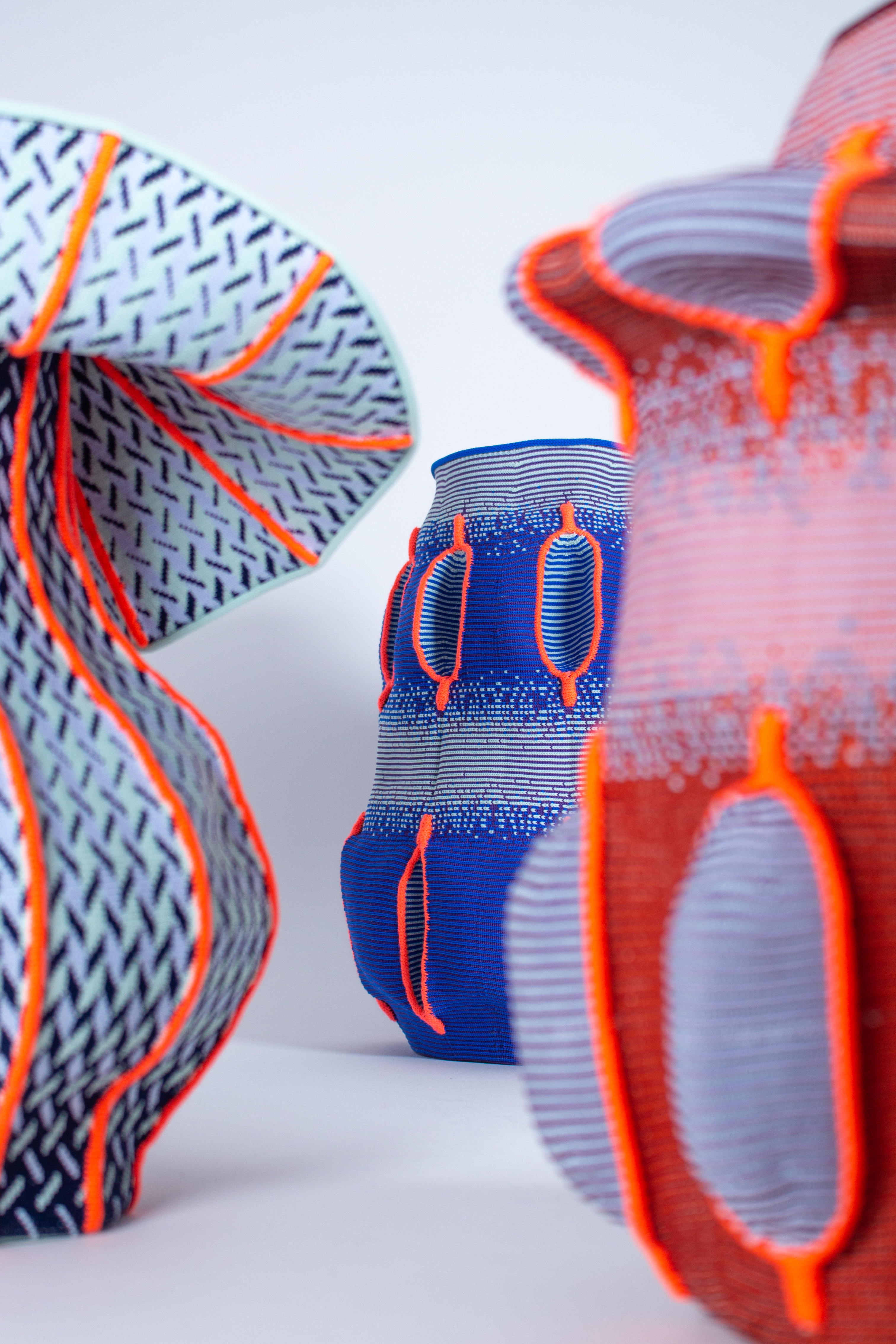
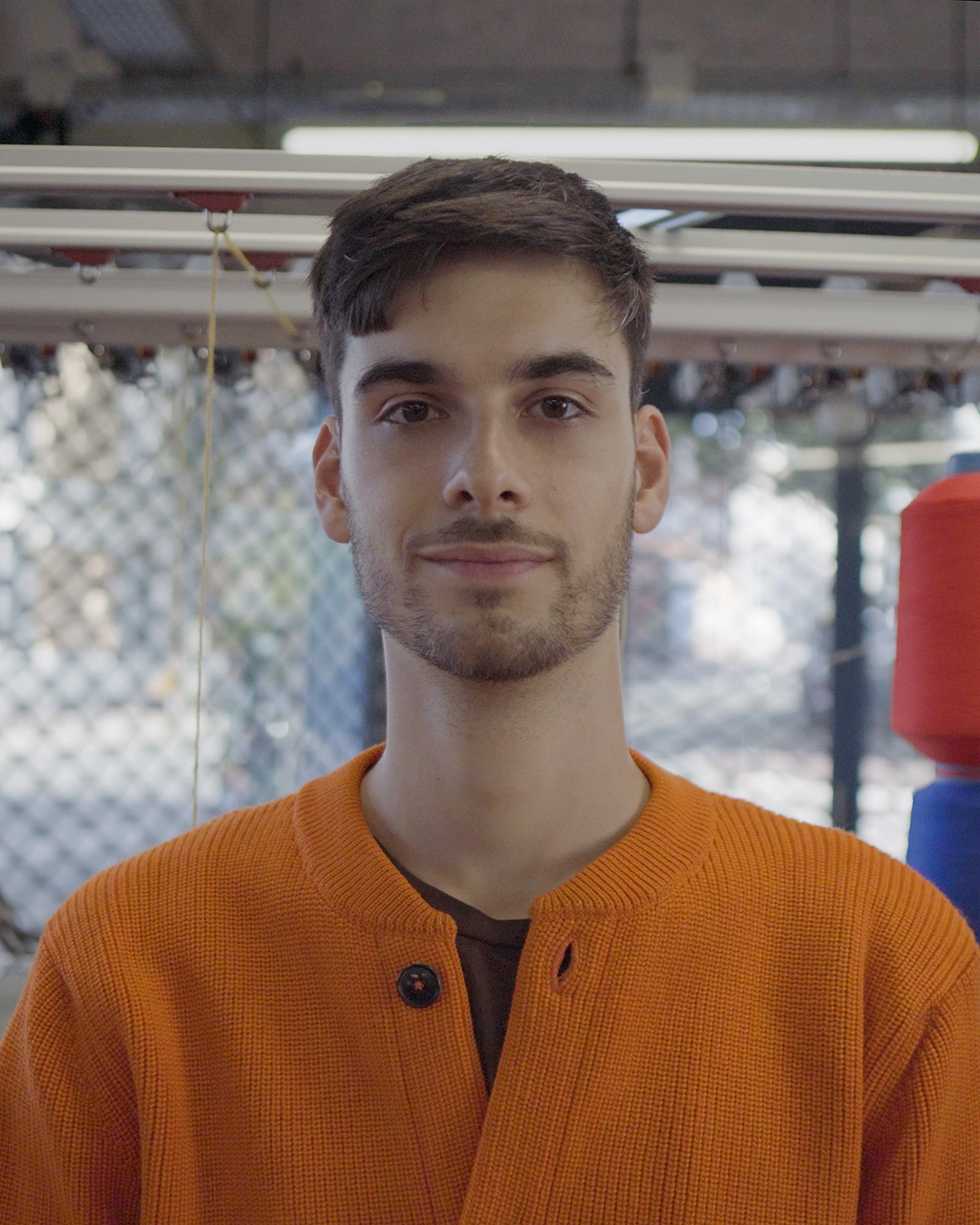
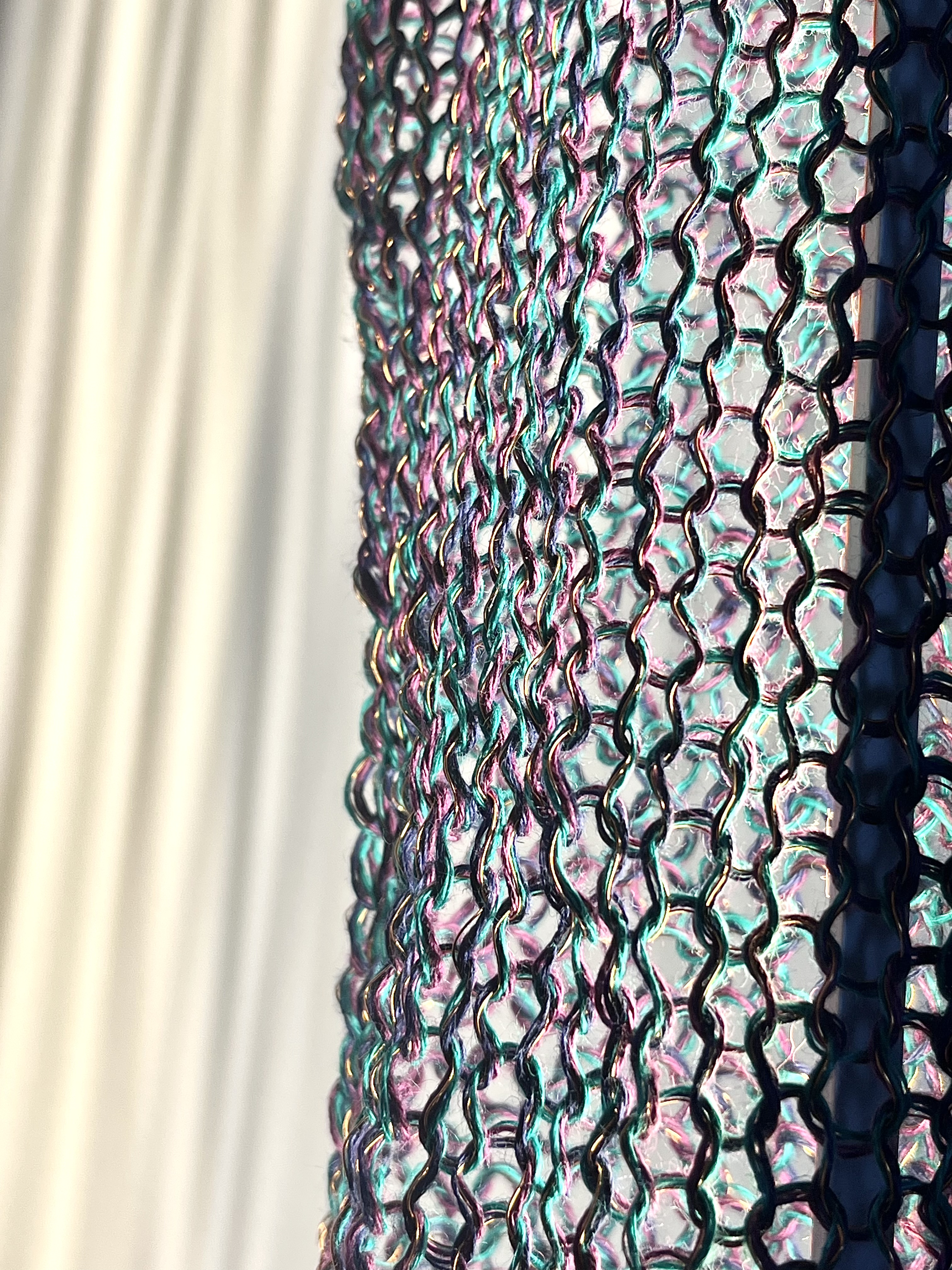
Gaspard Fleury-Dugy is a Paris-based designer and visual artist. His practice is nourished by textile techniques and the graphic vocabulary they unfold. For him, loops, stitches, and lines become the elements of a vibrant and joyful language. Celebrated internationally for his knitted sculptures, he is also a trapeze artist and likes to view his work as a sequence of supple and colorful pirouettes.
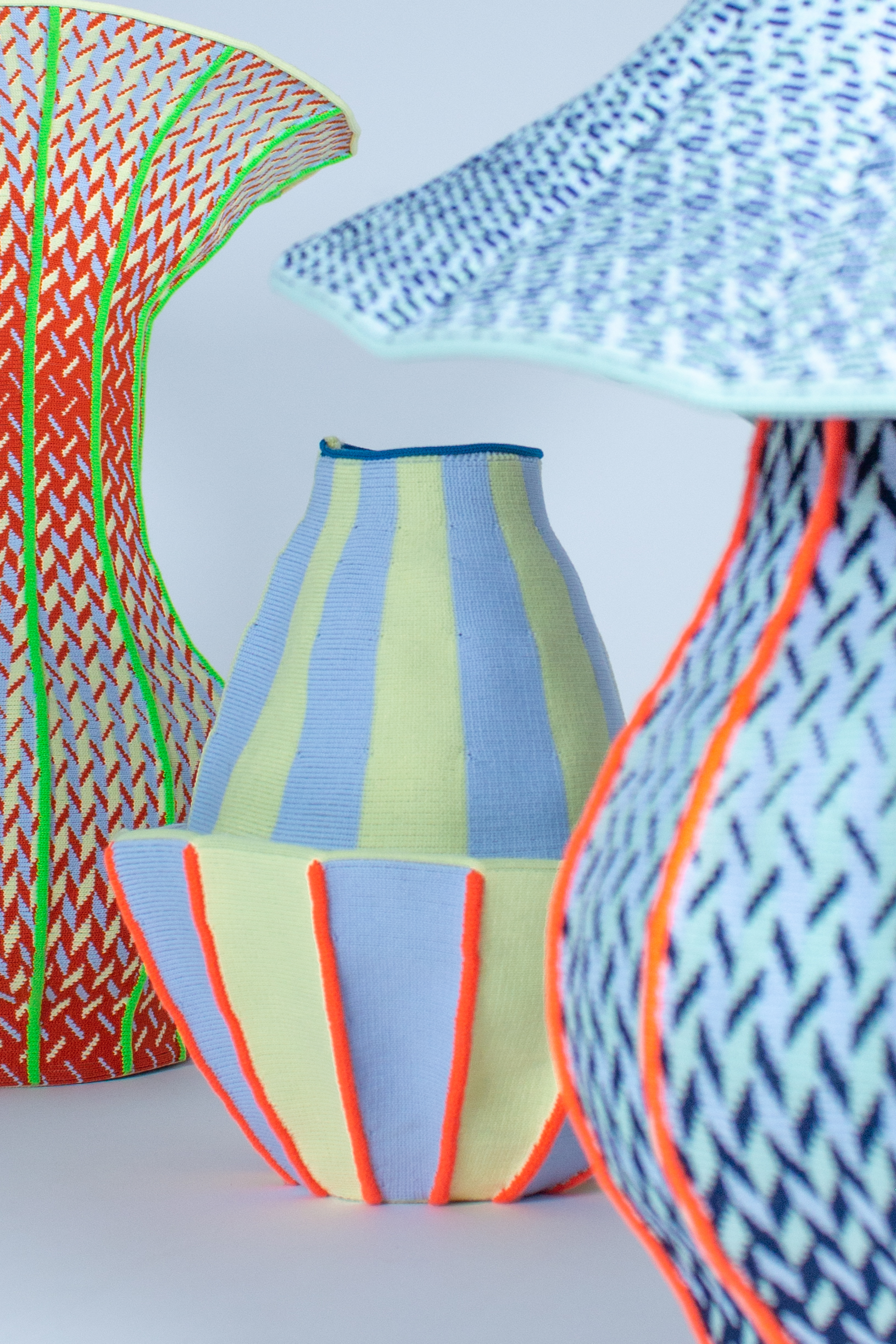
Trained at the École Duperré in Paris and at the Swedish School of Textiles in Borås (Sweden), he developed from early on a distinctive universe where machine, digital technology, handcraft, and mind converge. For Gaspard Fleury-Dugy, knitting is building. In 2021, at just 22 years old, he distinguished himself by his ability to hack the industrial knitting machine—his “pencil”—to invent a new language in which yarn becomes volume, structure, and architecture. His knitted sculptures stand at the crossroads of technological innovation, fine craftsmanship, and imagination. Having rigorously programmed the knitting digitally, he then undertakes a hand re-knitting to bring the knit into volume and transform it into a genuine textile micro-architecture.
His first collection, ‘Soft Objects’, unveils three-dimensional pieces with a strong and immediately recognizable visual identity. These knitted sculptures, with their organic forms and futuristic accents, evoke at once ancient amphorae, the curves of Oscar Niemeyer, the graphic world of the Memphis movement, and the pixelated aesthetics of the digital age. Fluorescent colors, inspired by sportswear, emphasize folds and tensions, endowing each piece with an almost vibratory intensity.
Birgitte Due Madsen, Designer
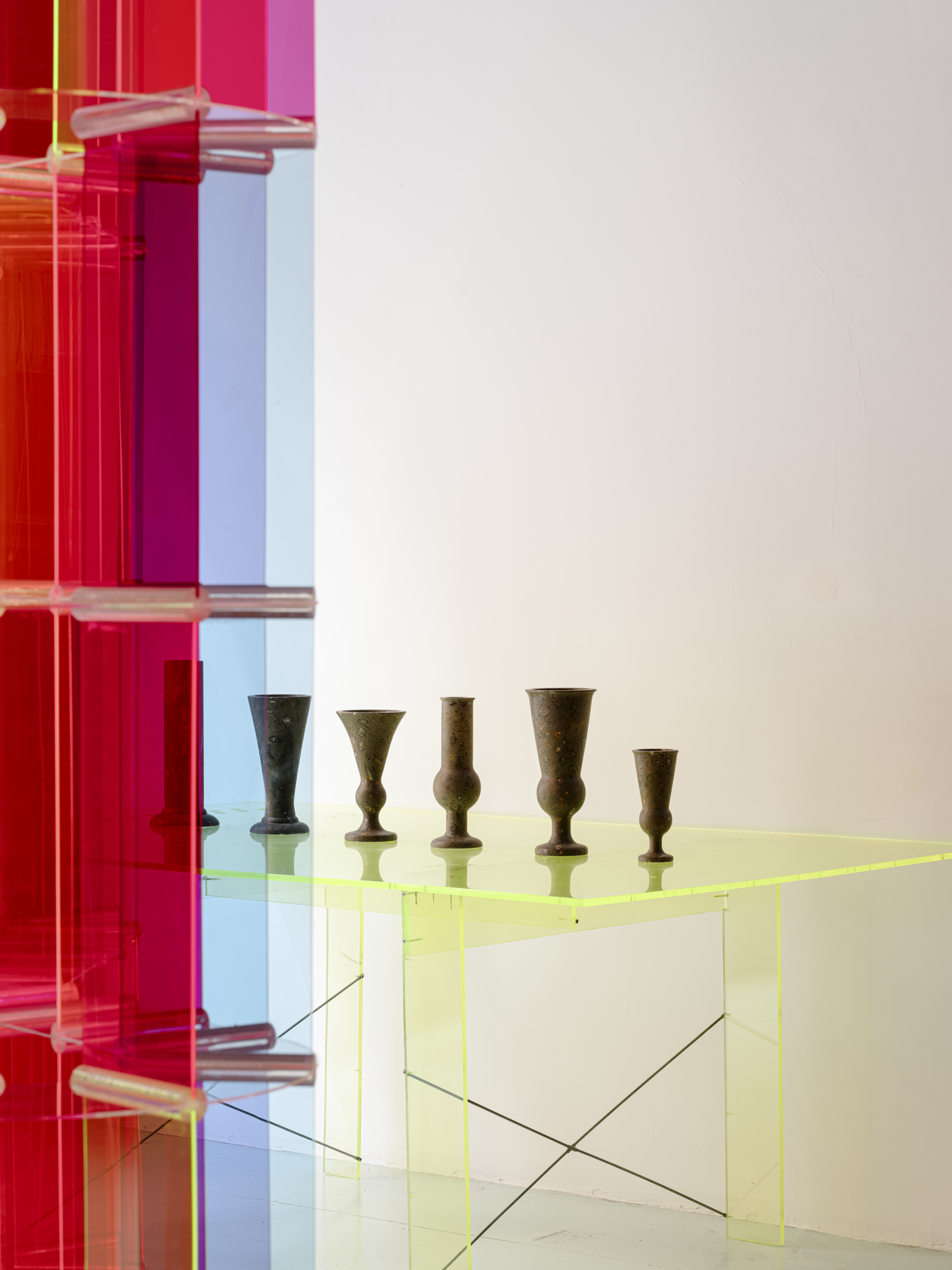
Birgitte Due Madsen is an artist and designer living and working in Copenhagen. Her portfolio ranges from handmade, bespoke and serially produced furniture to sculptures and one-of-a-kind pieces. With constant attention to functionality and quality, she is drawn to long-term projects that explore materiality and aesthetics, allowing ideas to evolve in an abstract form before being formalized. Through an autonomous, unpretentious approach, she integrates materials such as plaster, resin, concrete and stone, using a range of techniques to achieve her design ideals. Her works are characterized by a subtle, poetic colour palette, tactile textures, and a strict yet playful geometry.
Raffaella Mangiarotti, Designer
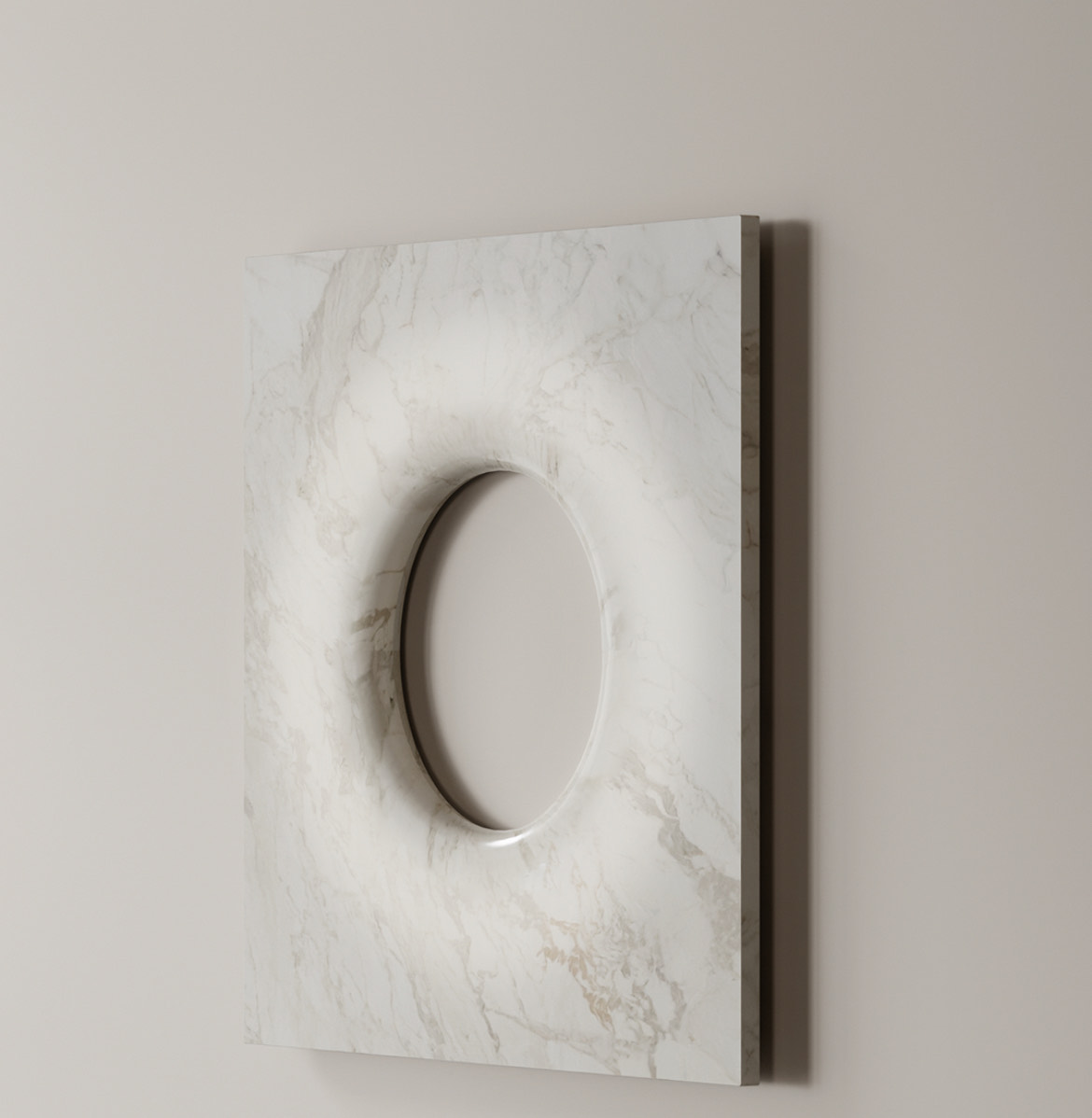
Raffaella Mangiarotti is an architect and designer, living and working in Milan. Graduated in architecture, with a PhD in environmental design. She is a researcher in Politecnico di Milano. After a collaboration with Marco Zanuso and Francesco Trabucco, she founded deepdesign, with Matteo Bazzicalupo, designing innovative and mass produced products. In 2010 she founded Raffaella Mangiarotti studio where she specializes in furniture design, art direction, showrooms and exhibition stands, designing for brands at international level. Some of her products are exhibited in museums and are part of permanent collections, like MoMA and recognized with the most important international awards. From 2017 to 2024 she was appointed Ambassador of Italian Design in the world.
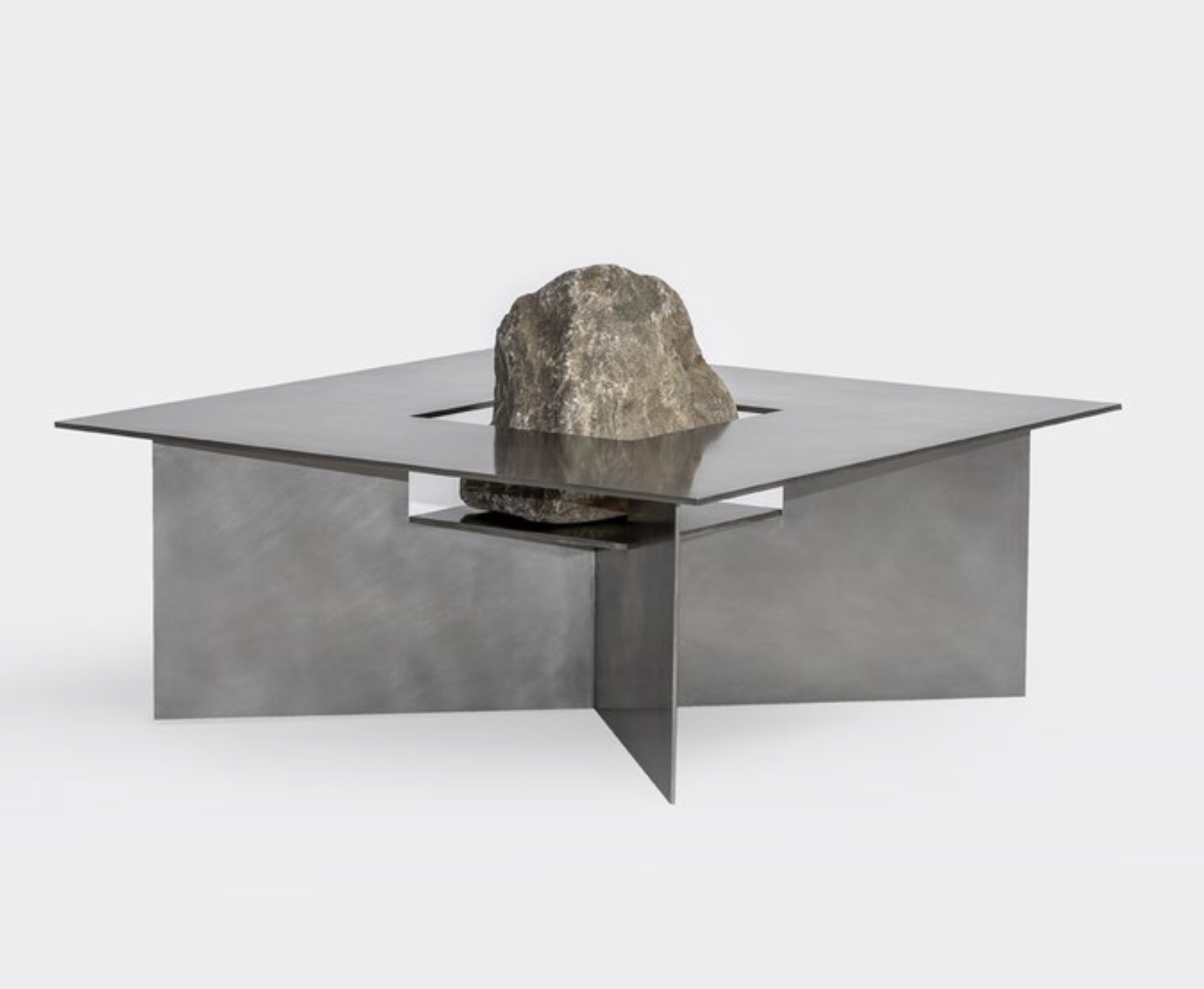
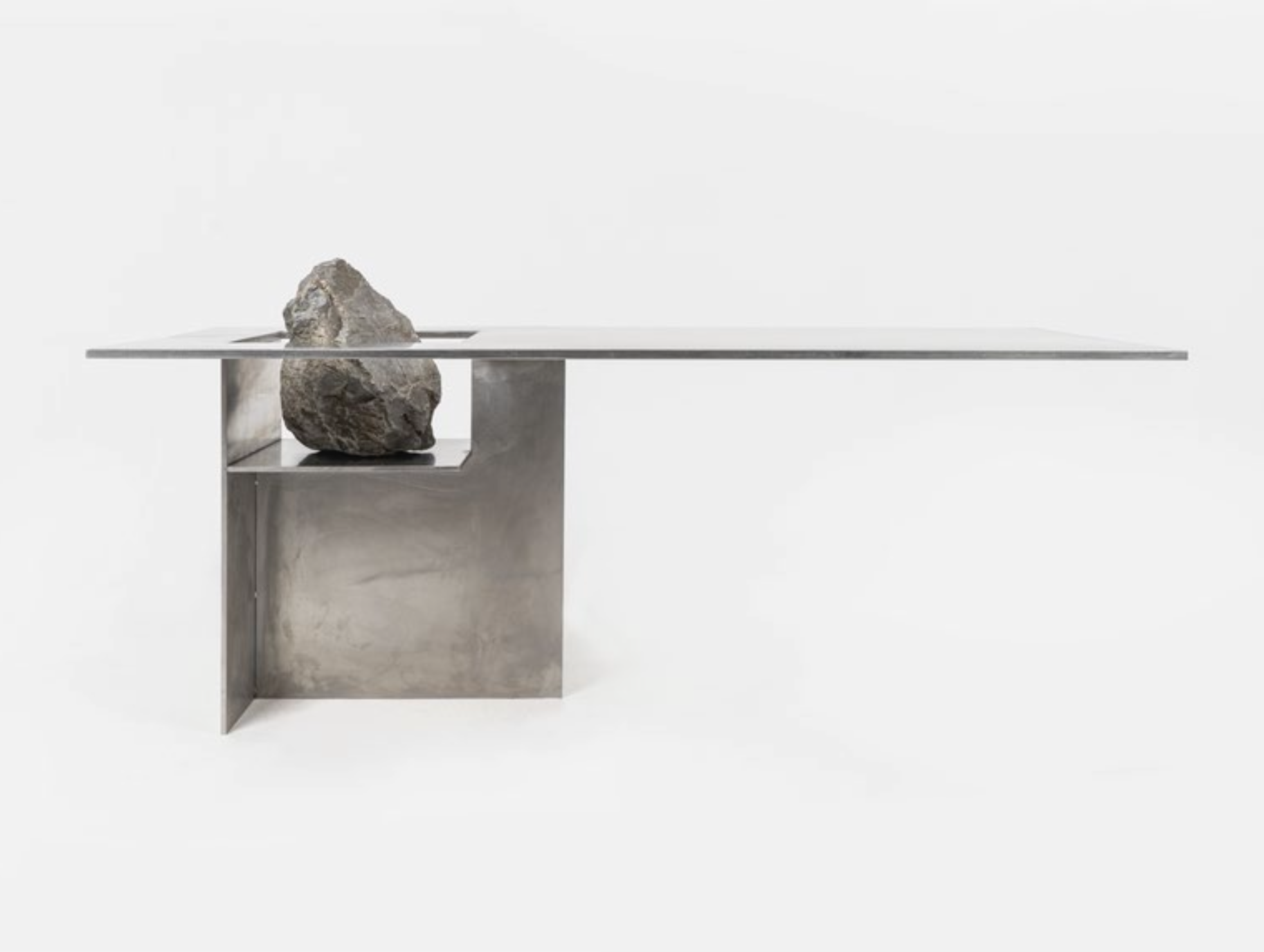
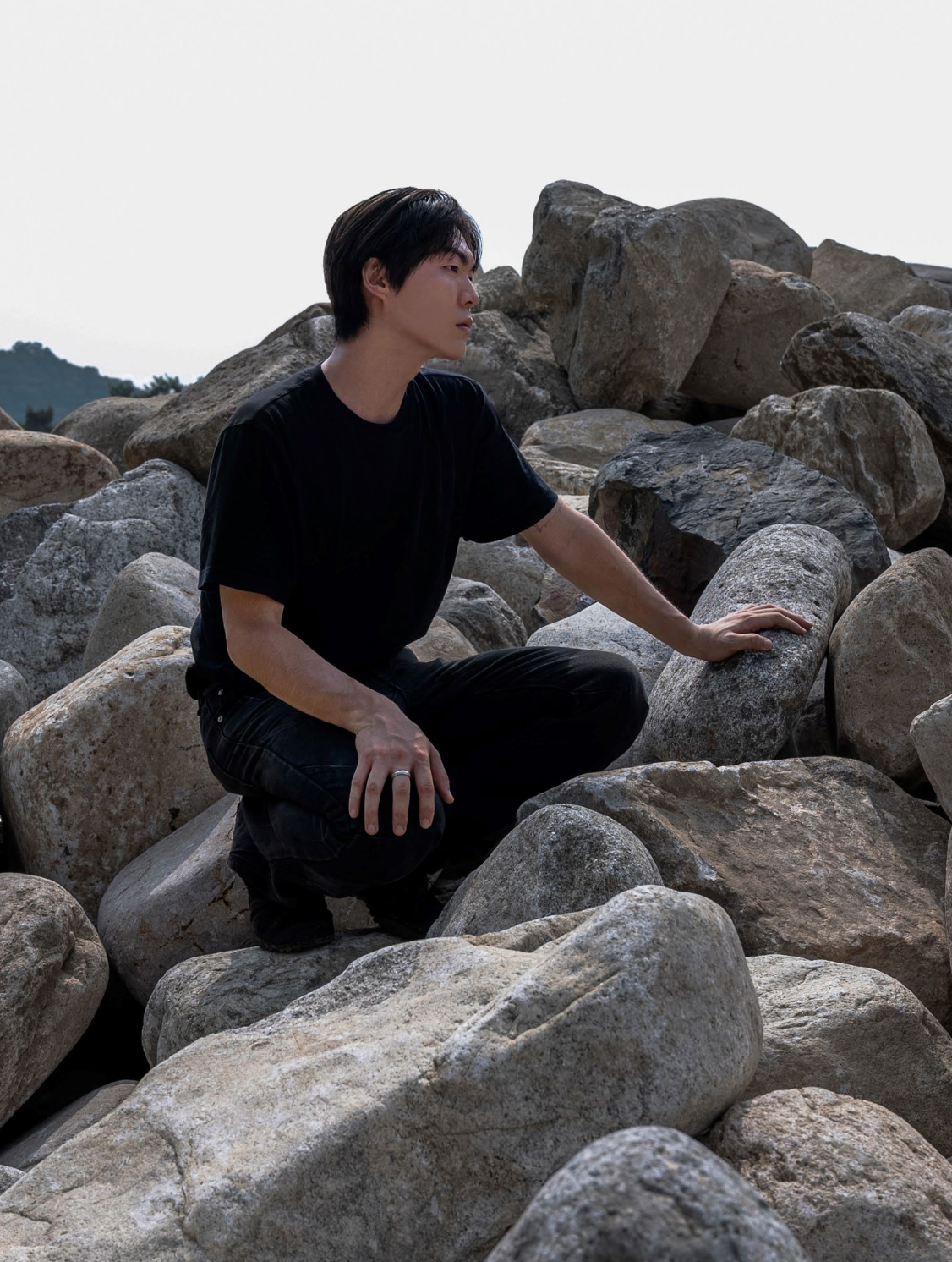
Lee Sisan, Designer
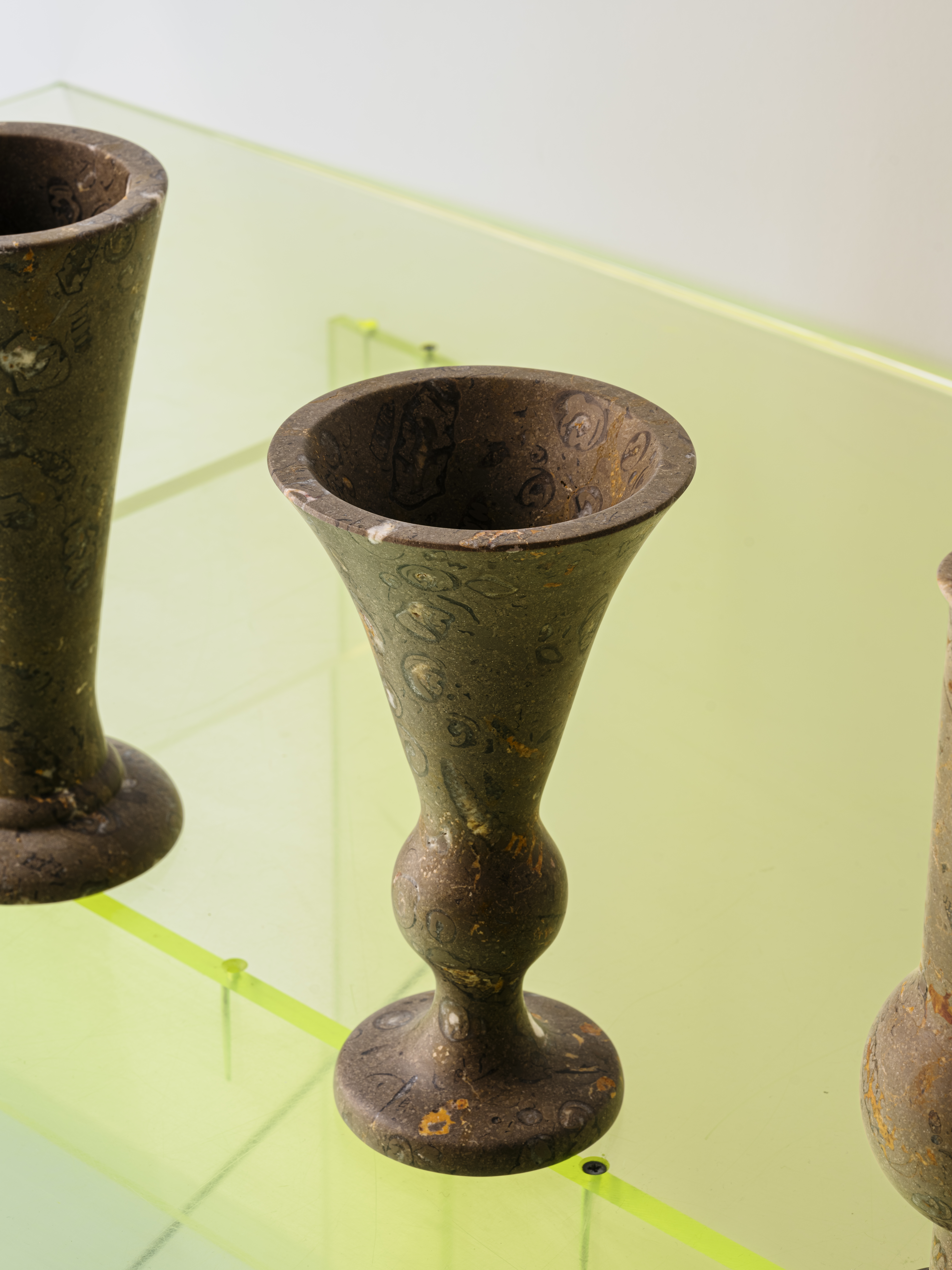
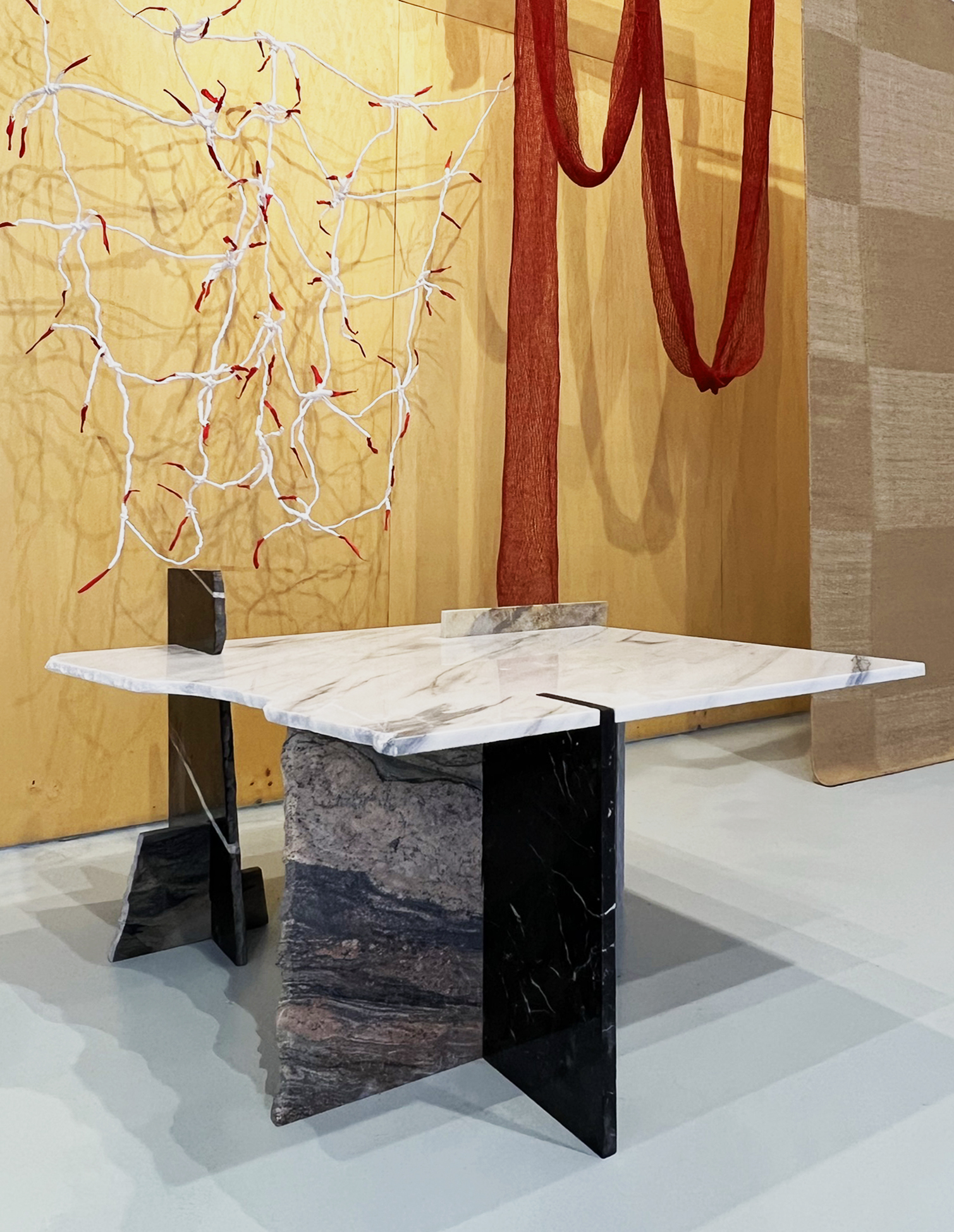
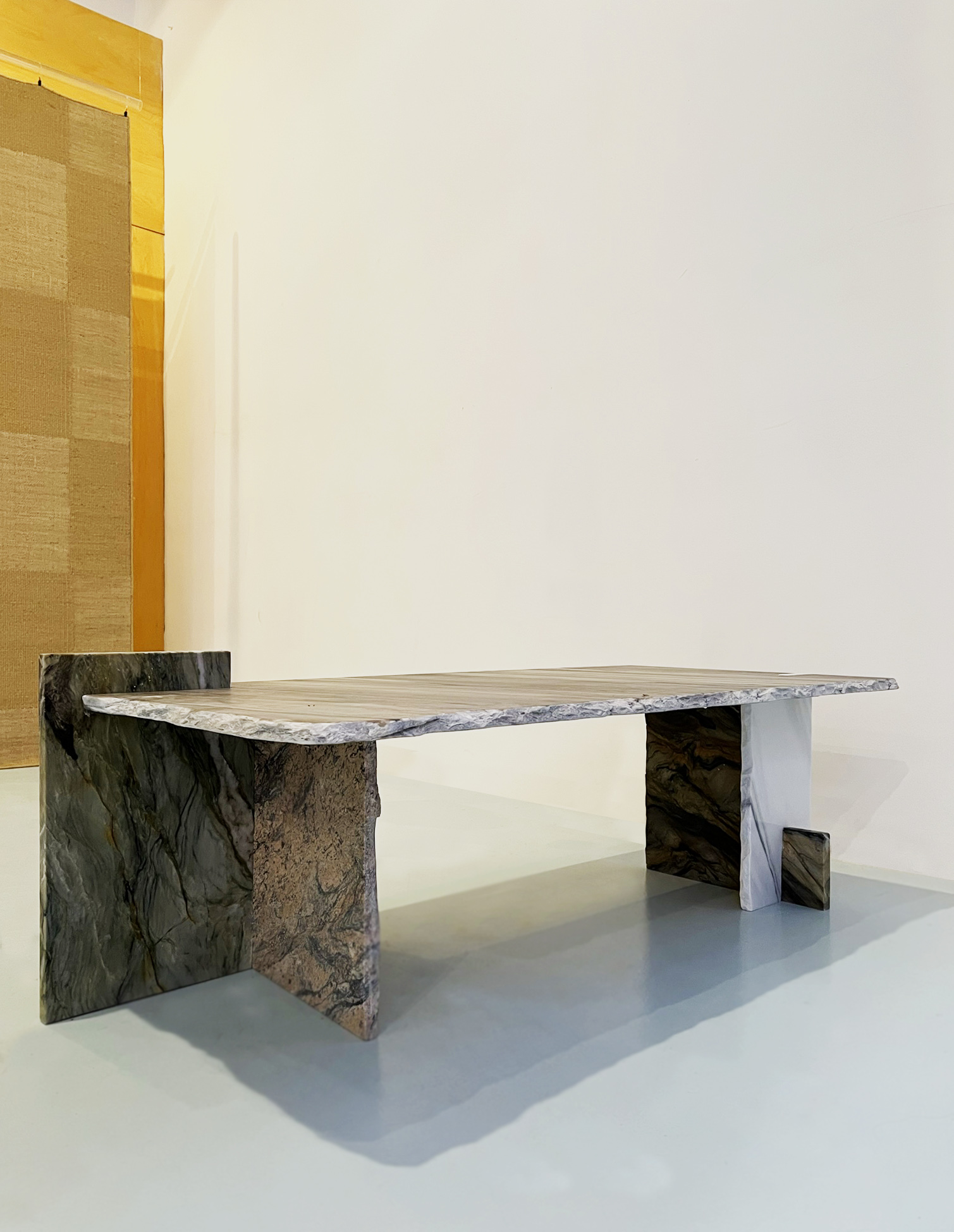
Sisan Lee (b. 1995) explores the boundary between nature and the artificial. Moving between urban and natural environments, he reflects both the structural order of industry and the sensory experience of nature in his work. By collecting materials such as stone, wood, and metal from natural and industrial contexts, he examines the tension between their contrasting qualities through sculptural experimentation—sometimes narrowing the gap between them, sometimes widening it. These inquiries take shape across spatial interventions, furniture, and sculpture, constructing scenes in which industrial order coexists with the imperfections of nature.
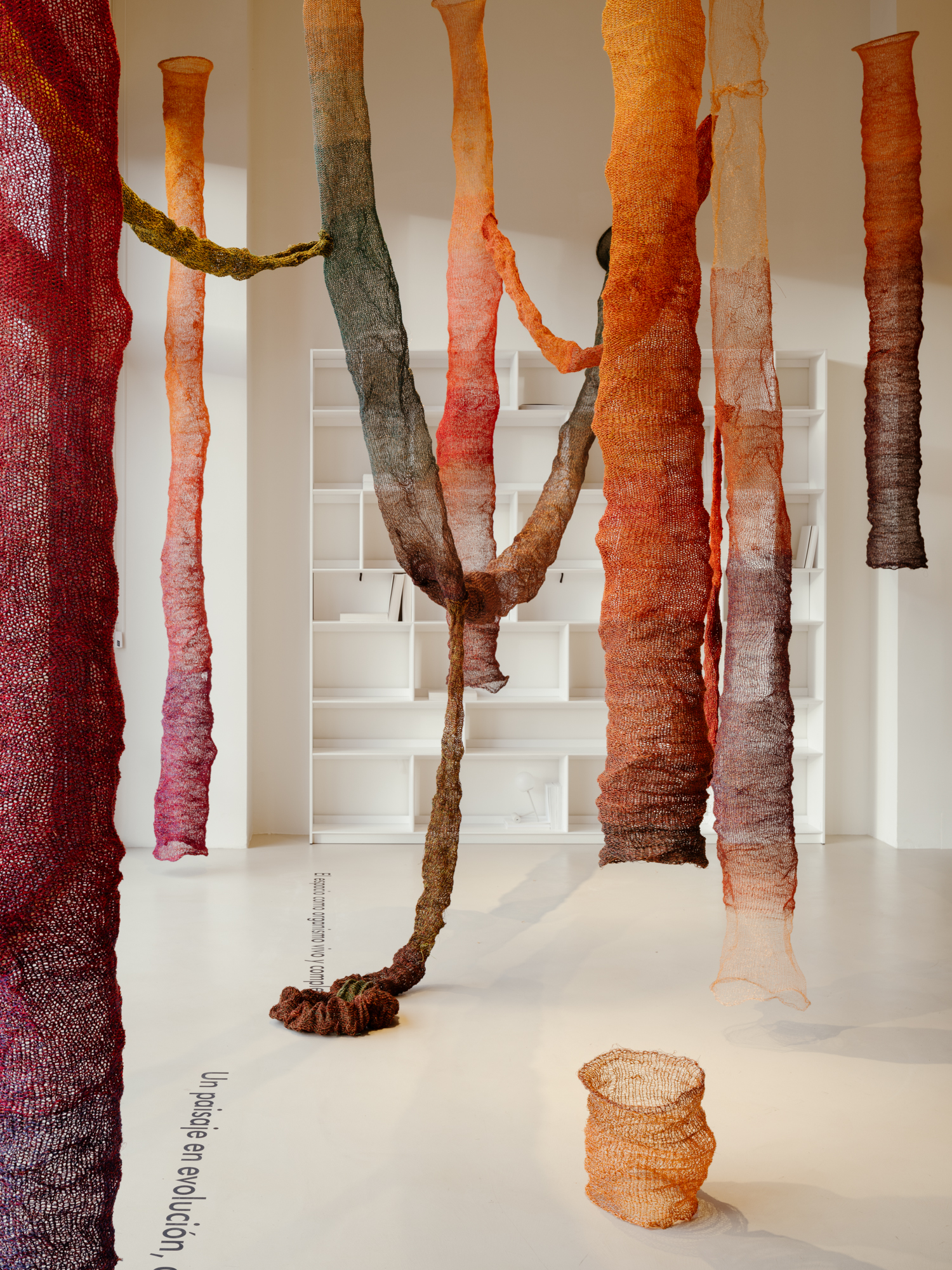
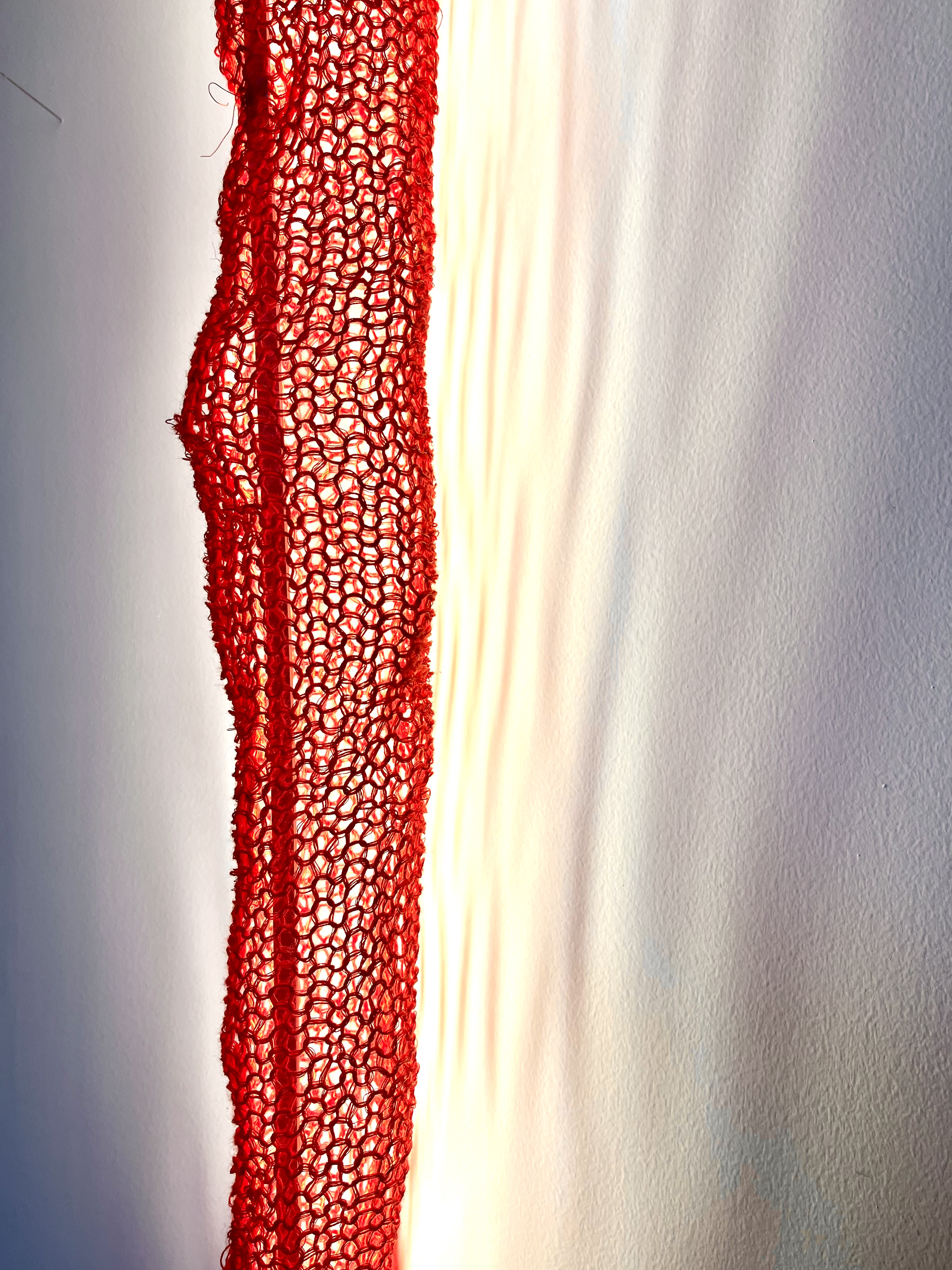
Luz Moreno Pinart, Designer
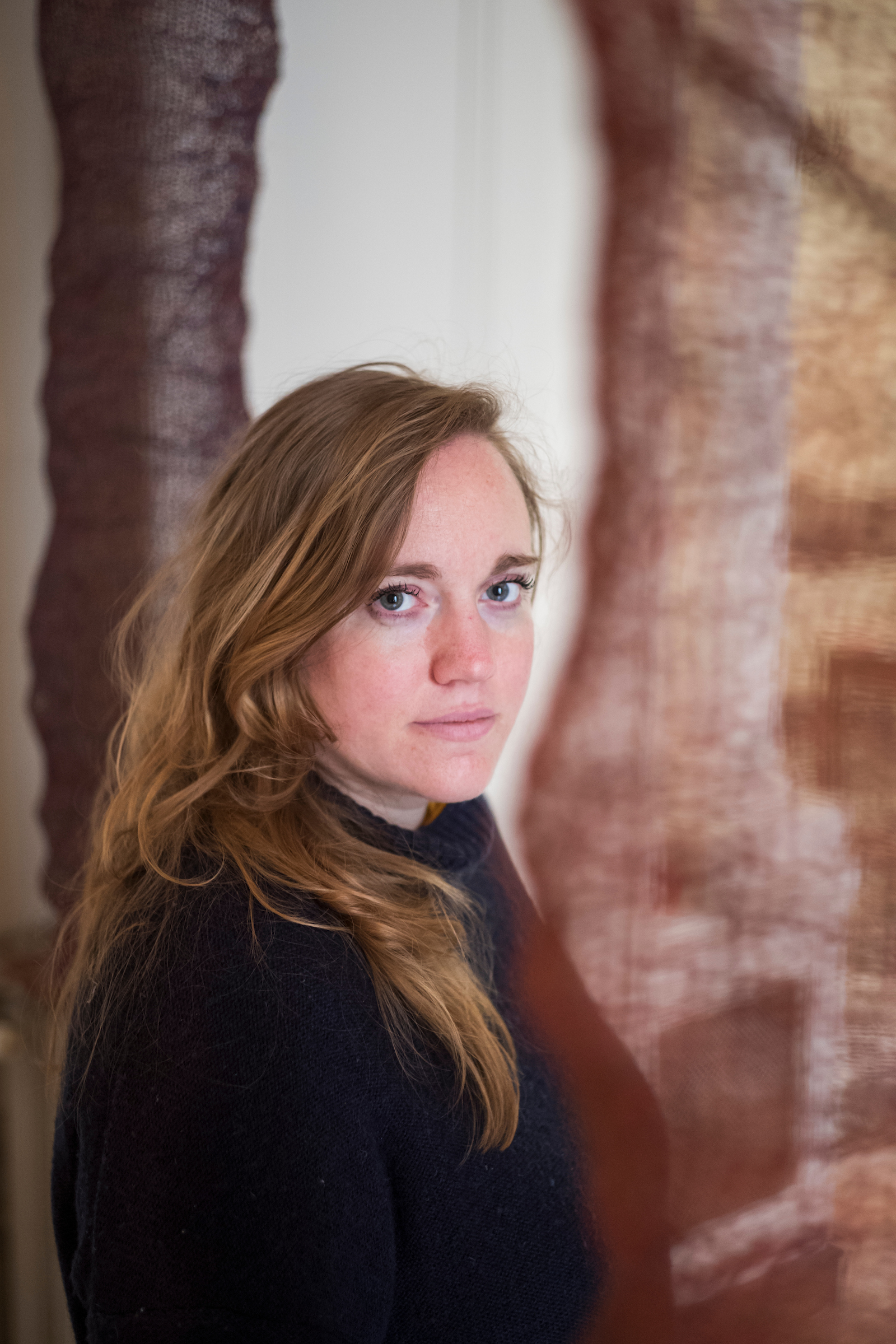
Born in Spain in 1989, Luz Moreno Pinart is a visual artist whose work places fiber and textile art at the center of an investigation into structure, memory, and territory. A graduate of the École Nationale Supérieure des Arts Décoratifs in Paris (ENSAD), she consolidated her artistic language during seven years of collaboration with Sheila Hicks, where she developed a distinctive sensitivity to the architecture of thread and the three-dimensionality of textile.
Her practice is defined by a tactile and material exploration in which textiles function as living organisms capable of absorbing and revealing invisible histories. Through techniques ranging from structural weaving to the use of experimental dyes and wild fibers—such as nettle or linen—Luz creates installations that engage in dialogue with space and nature. Her approach blends artisanal know-how with a contemporary vision, transforming the act of weaving into a tool for understanding the environment.
Awarded a residency at the prestigious Villa Kujoyama in Kyoto in 2019, she deepened her engagement with the nobility of natural fibers and the poetics of ancestral gestures, integrating patience and the rhythm of organic growth into her creative process. Her work has been presented at renowned institutions such as the Fondation Carmignac, the Abbaye de Maubuisson, and the Centre Tignous, as well as at Milan Design Week, establishing her as a significant voice at the intersection of textile art, sculpture, and sensory design.
© Photos – Martin Argyroglo

Loumi Le Floc’h, Designer
Loumi Le Floc’h is a material designer. Born in south-west France in the heart of a lush natural environment, she grew up surrounded by the textures of the living world. Trained at the École nationale supérieure des arts visuels de La Cambre in Brussels and later at the Weissensee Kunsthochschule in Berlin, she has developed a singular language in which materials reveal landscapes that anyone can make their own.
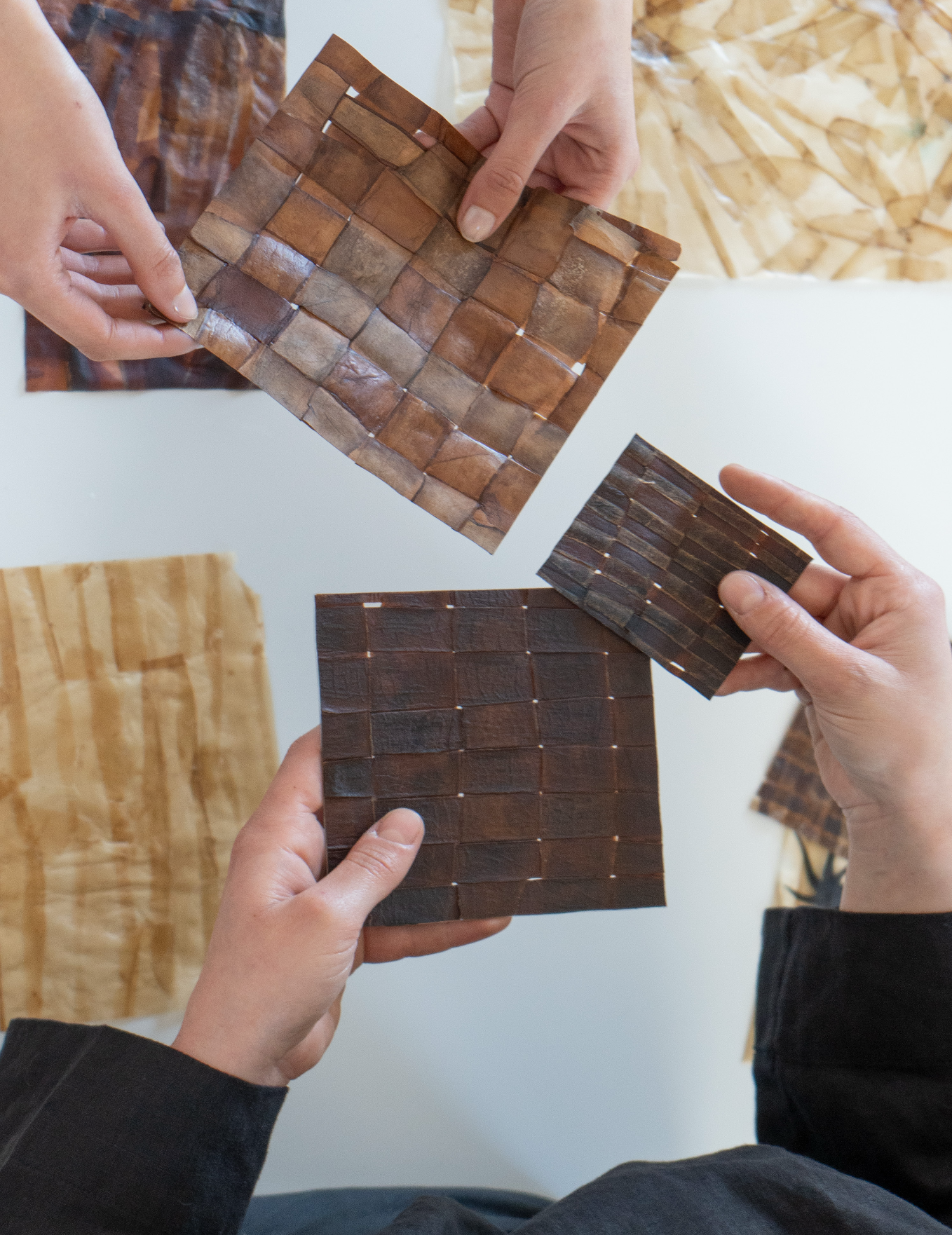
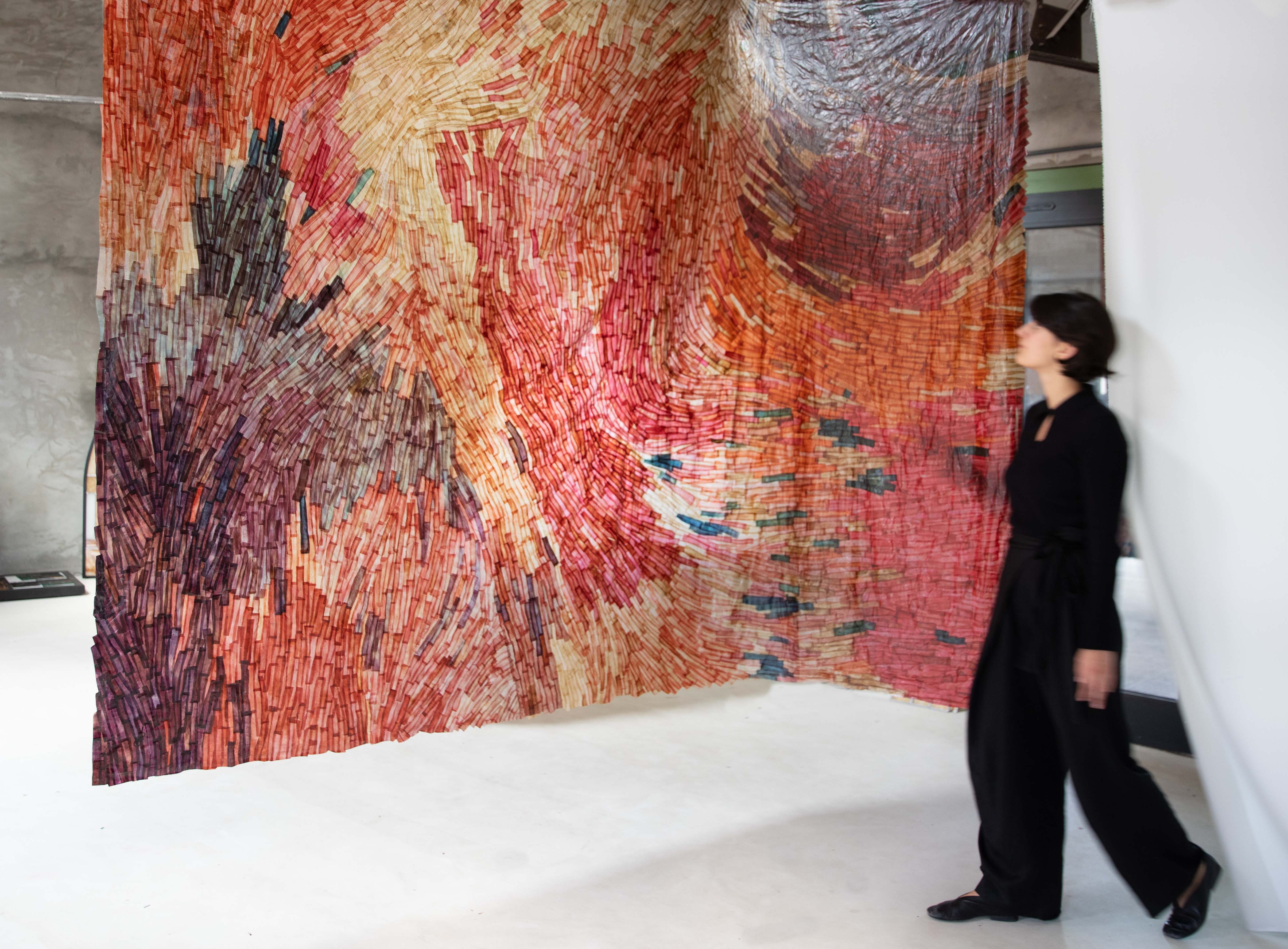
Loumi recently joined Ateliers Zaventem, an experimental laboratory where designers with astonishing, cutting-edge specialisations come together, to pursue her research into materials derived from living organisms. Her current research focuses on Precious Peels, a collection in which aubergine peelings are transformed into translucent, precious surfaces reminiscent of organic stained glass. Through a subtle play of chemical reactions, she draws out deep hues—from brilliant reds to velvety browns and deep blues—as if the light itself were dancing across the surface.

Lionel Jadot, Designer
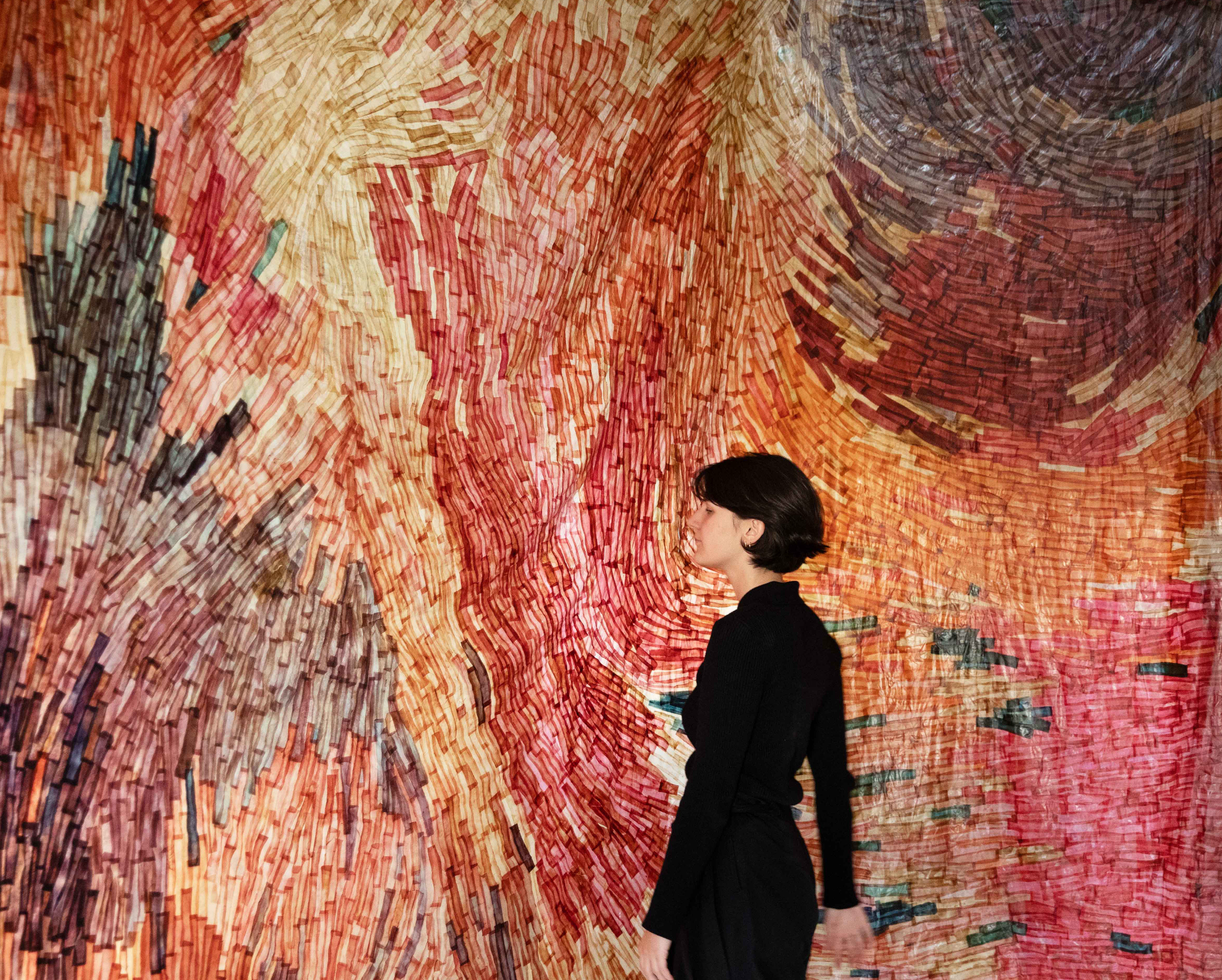
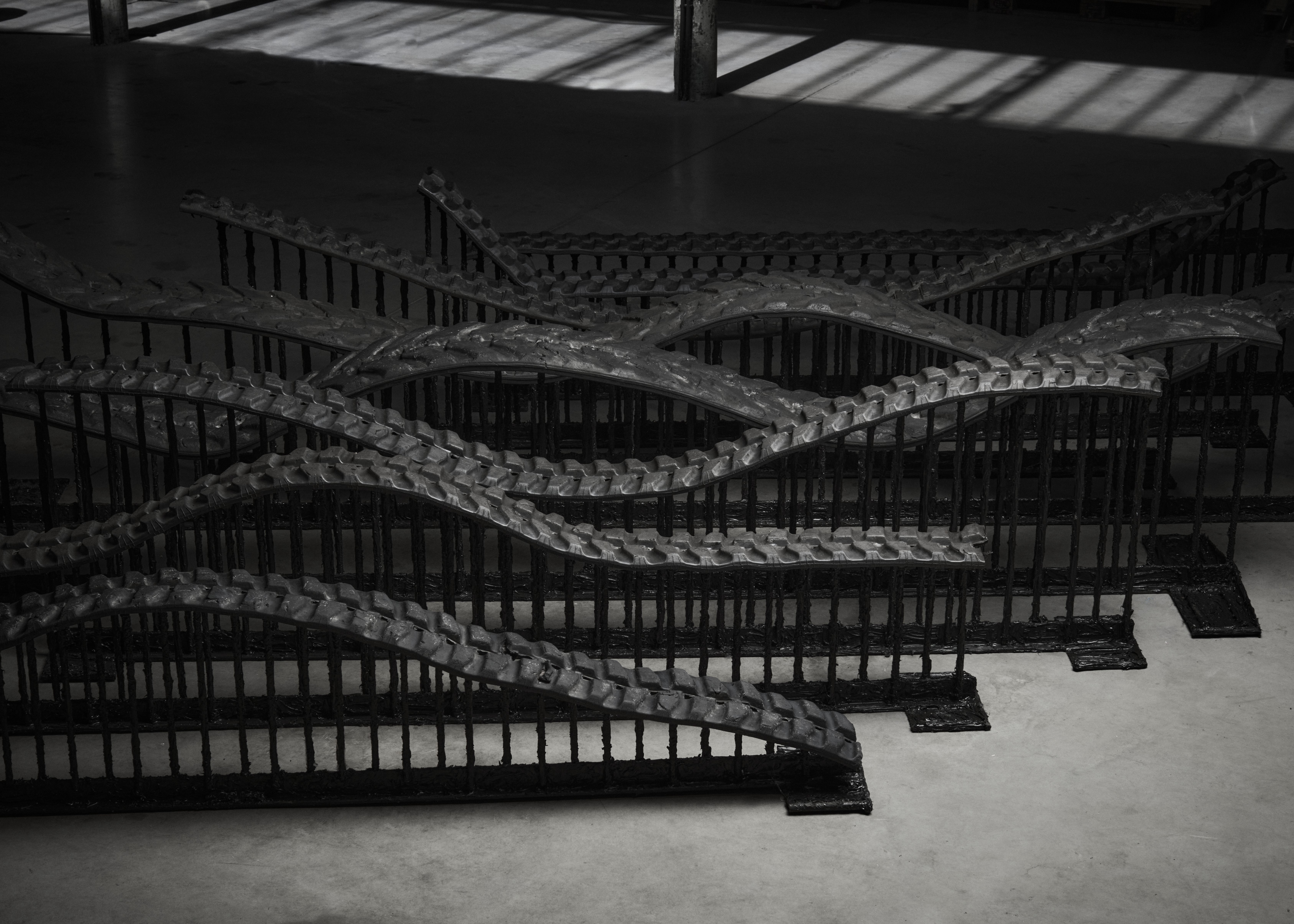
Lionel Jadot is more than a designer: he is a disruptor, building new worlds from the ruins of the old. For over three decades, he has gathered fragments—discarded objects, forgotten materials, and remnants from other lives—and transformed them into a practice that defies categories: architect, artist, maker, provocateur. His work rejects mass production, marketing logic, and aesthetic obedience. Born into a lineage of craftsmanship but guided by instinct, Jadot refuses to follow rules—because rules are part of the problem. His creations are physical manifestos: confrontations, collages of memory and waste, grounded in the raw honesty of materials.
In the age of the Anthropocene—when humans have become the planet’s dominant force—Jadot’s work reads as rebellion: against overconsumption, against amnesia, against the myth that new is always better. He doesn’t design for trends. He designs to wake people up. No templates. No apologies. Just freedom, friction, and fierce imagination.
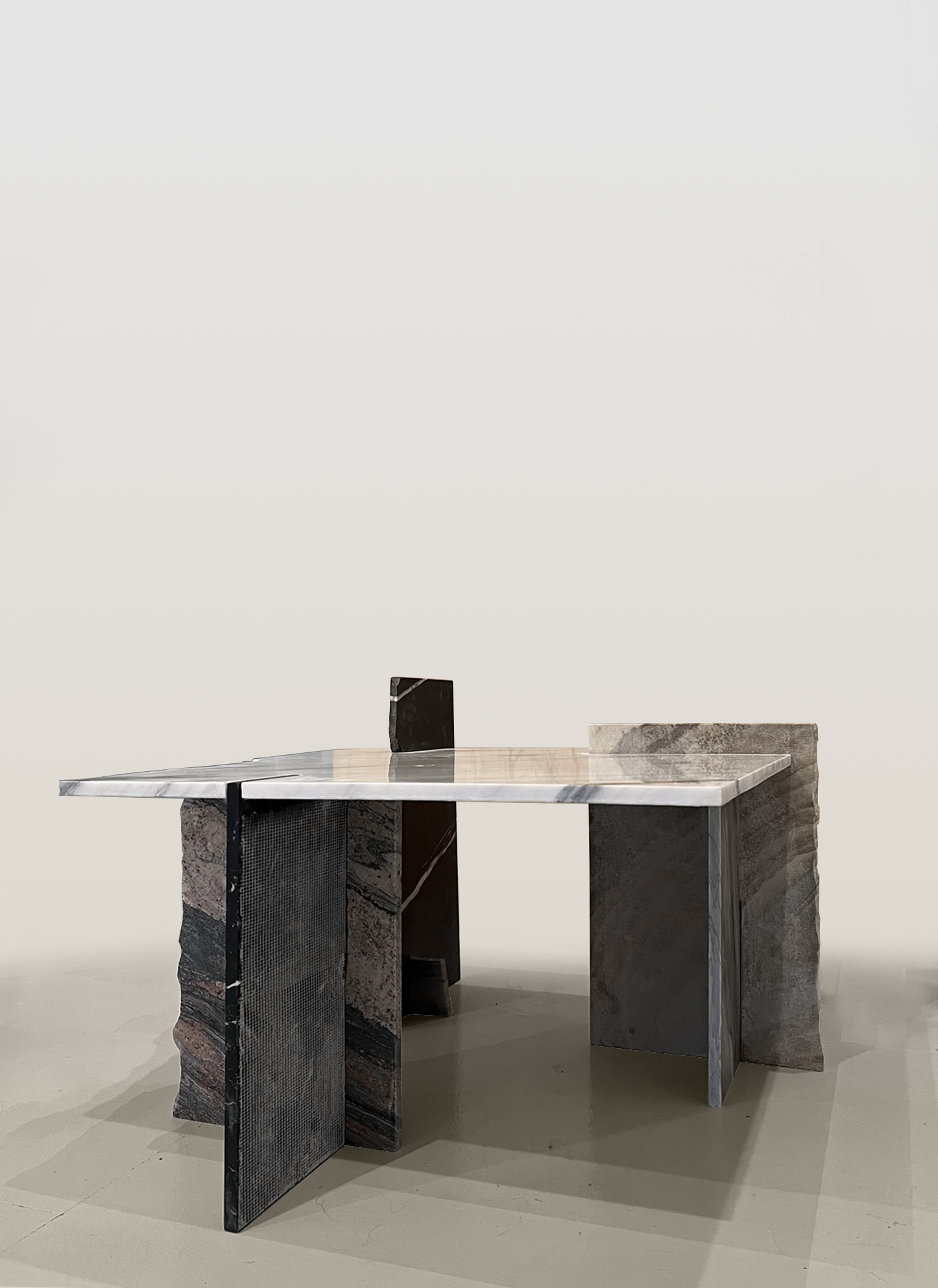
Belén Moneo, Designer
Belén Moneo (Madrid, 1965) is an architect and founding partner of Moneo Brock. She studied at Harvard University, where she completed degrees in Art History and Visual Arts, graduating magna cum laude in 1988. In 1991, she earned a Master of Architecture from the Graduate School of Architecture, Planning and Preservation (GSAPP) at Columbia University in New York.
She began her academic career as a professor at Columbia University, teaching undergraduate students in the New York / Paris Program during the periods 1998–2001 and 2010–2011. Since 2014, she has been a professor of Architectural Analysis at the School of Architecture of Madrid (ETSAM), where she also served as coordinator of lectures and cultural activities from 2017 to 2019.
She is currently a member of several associations such as AMMDE, WIRES, and WAS, through which she promotes sustainability, as well as mobility groups such as BICIMATRIX, which work with public administrations and institutions to achieve active and sustainable mobility networks. In her recent article “Nos gusta la calle,” published in El País, she argues that public space belongs to pedestrians.
Together with Jeff Brock, she founded Moneo Brock in New York in 1993, following their first professional collaboration on a loft project in Tribeca. They worked there for a decade, and while maintaining strong ties with New York, the studio opened its main office in Madrid in 2002, coinciding with the start of the Panticosa Thermal Baths project.
As a designer, her work has been exhibited in galleries, fairs, and institutions such as Zona MACO in Mexico, the Ibero-American Biennial, the Spanish Embassy in Japan, and the Rossana Orlandi Gallery in Milan.
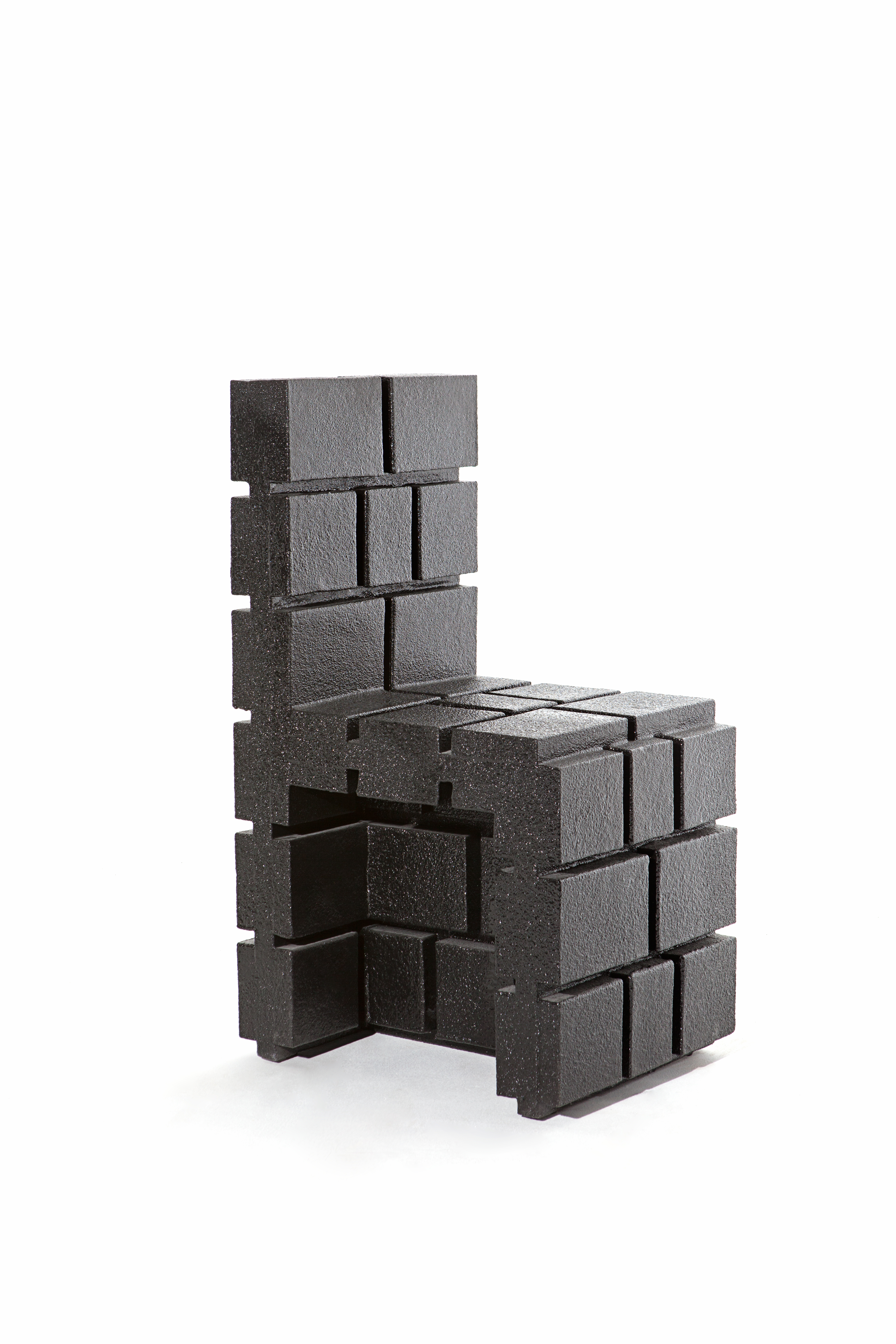
Her designs are characterized by a strong interest in aesthetics and the visual arts, approaching design through multiple dimensions: plasticity, geometry, materiality, light, transparency, and color. Beyond the inevitable influence of her architectural training, she enjoys exploring structure, assembly, and constructive efficiency. Belén develops her projects with versatility, addressing challenges through new solutions and languages.
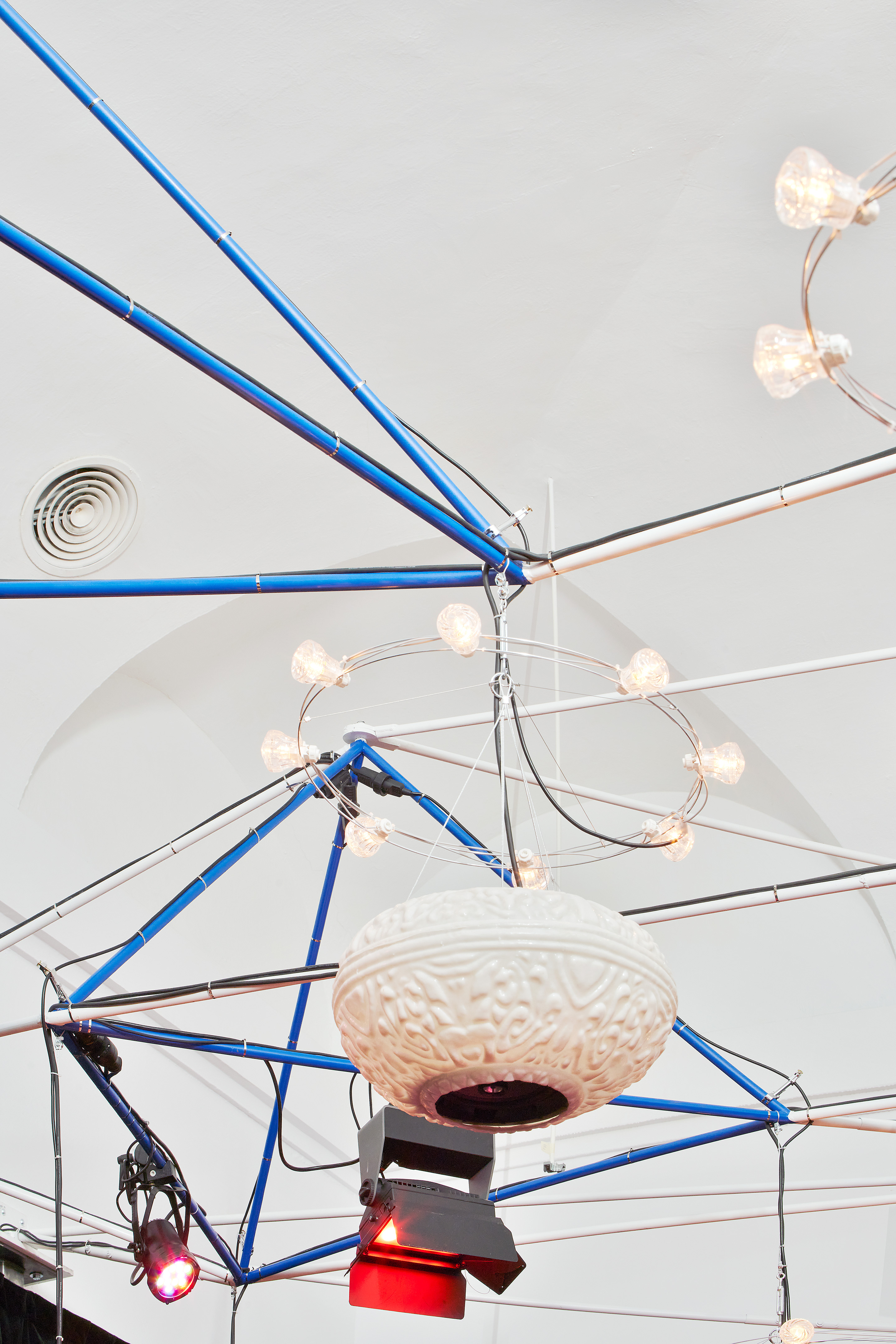
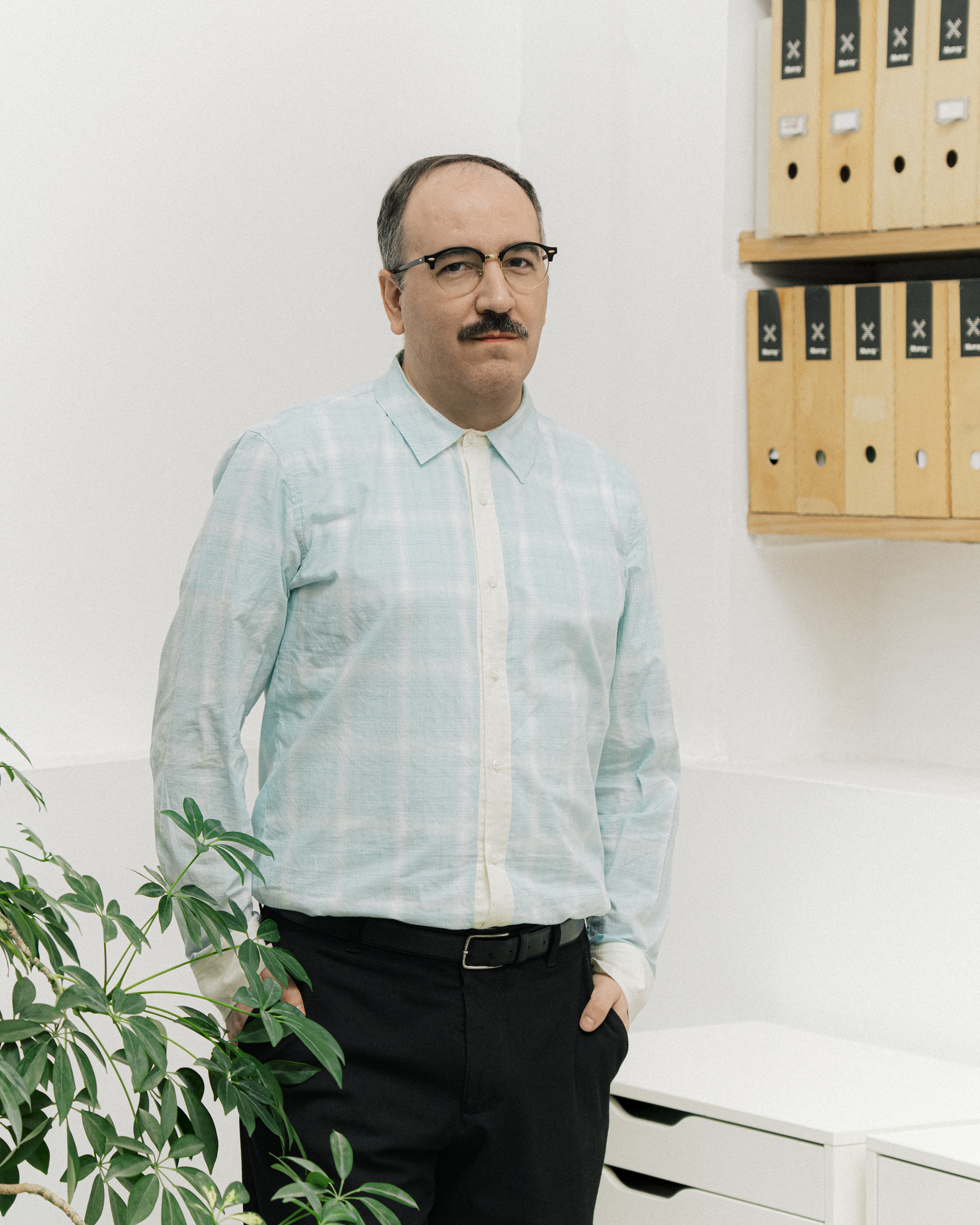
Lluís Alexandre, Designer
Lluís Alexandre Casanovas Blanco (Ripoll, Girona, 1985) is an architect, curator, and critic. He holds a PhD from Princeton University. He is currently curator of the Museu Habitat project, an initiative of the Government of Catalonia led by Manuel Borja-Villel, and is responsible for the spatial practices pathway at BAU, Centre Universitari d’Arts i Disseny de Barcelona. Between 2021 and 2024, he served as Architecture Curator in the Collections Department of the Museo Nacional Centro de Arte Reina Sofía, where he designed the strategic collections plan for architecture and design and collaborated with the Education Department on a range of guided programs.
Casanovas Blanco combines his architectural practice with curatorial work and cultural projects. In 2016, he was General Curator of the Oslo Architecture Triennale together with the After Belonging Agency. He has been part of the curatorial team for Niño de Elche. Auto Sacramental Invisible (2020–2021) and Vasos Comunicantes. Collection: 1881–2021 (2021) at the Museo Reina Sofía. Among other exhibitions, he curated Un Piano Preparado at La Casa Encendida (2023), Lo Animal en España (2024) at Fundación Cerezales in León, and Val del Omar: Una técnica con T mayúscula (2024) at C3A in Córdoba.
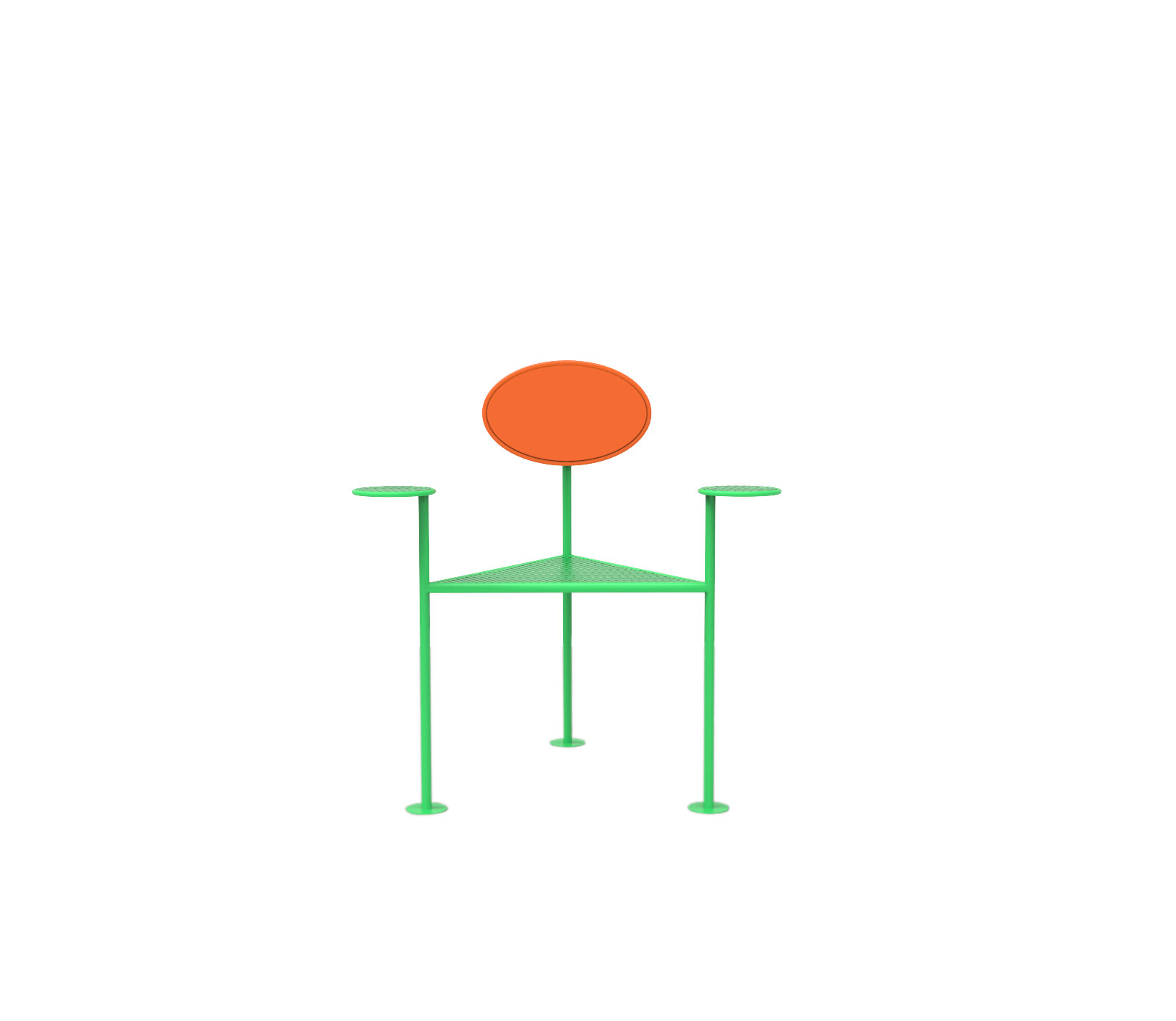
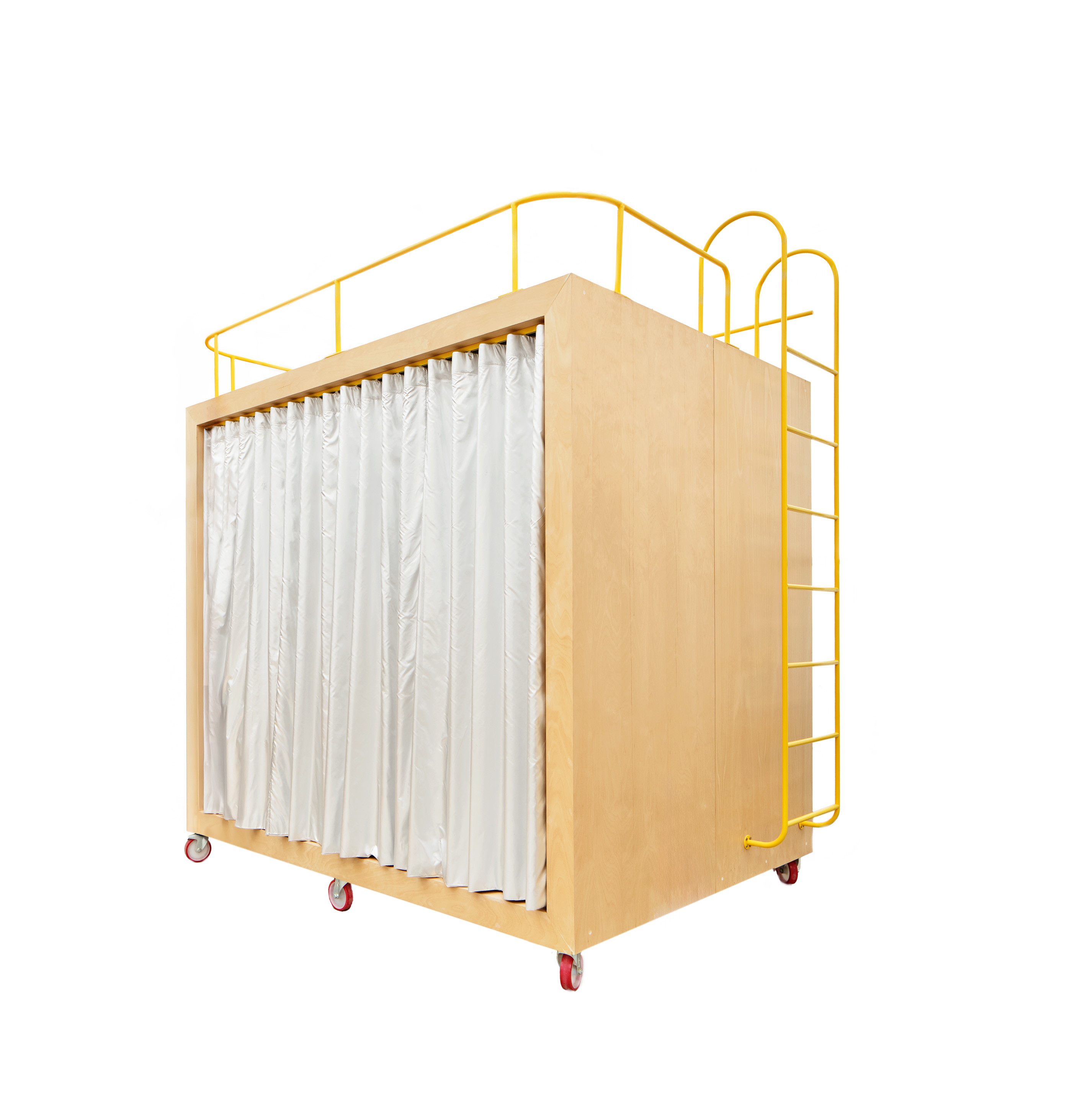
Kresta Design, Designers
Cristina Domínguez Lucas and Fernando Hernández-Gil Ruano, both graduates of ETSAM, founded Lucas y Hernández–Gil Arquitectos in 2008. They work across architecture, interior design, and furniture design, the latter through their brand Kresta Design.
They seek a distinctive point of view, combining curiosity, intuition, and craft. They identify with a practice imbued with playfulness and with the figure of the “artisan” as described by Richard Sennett.
Their work aims to create clear spaces with luminous and warm atmospheres—balanced environments that are at once lively and fresh. They avoid closed and excessive designs, preferring instead to embrace the possibilities offered by each situation in order to arrive at the most direct and effective solution. Their intention is to create a framework, a playing field that users can appropriate.
They explore the expressive potential of light and materials, valuing textures derived from construction and the imprint of the hand. Their goal is to uncover a story within each project, where all the elements come together coherently.