

CAN MAHOU TALKS 2026
6-8 March

Mahou Talks return to CAN Art Fair Madrid for its tenth edition, reaffirming their role as a space for encounter, reflection, and dialogue around contemporary art. A program of roundtables and talks that continues to bring art closer to the public, connecting it with its urban, social, and cultural context.
At CAN Art Fair 2026, contemporary art is experienced in the present and as a collective practice. The Talks will take place in the Mahou Space, an ephemeral playground conceived as the social heart of the fair. An open, sensory, and participatory environment that invites visitors to enter, listen, share, and let themselves go, breaking down barriers between art, conversation, and experience.
Mahou’s commitment to culture and creativity is reaffirmed in this 10th edition of CAN Art Fair Madrid, a collaboration that has accompanied the fair since its beginnings. Over the past ten years, Mahou has fostered spaces where art is experienced in a close and collective way, encouraging meaningful connections between artists, professionals, and audiences.
Through conversations with artists, collectors, curators, critics, and sector experts, Mahou Talks 2026 take shape as an essential meeting point for thinking about the present and future of contemporary art—a place to listen to new voices, share ideas, and celebrate culture through play, curiosity, and critical thinking.
In this way, Mahou renews its commitment to creating five-star experiences linked to art and culture, generating unique moments to raise a glass, connect, and continue imagining together.
Below, you can find the full program of Mahou Talks 2026.

- Friday 6th
- Saturday 7th
- Sunday 8th
17:00–18:00 -History and legacy “10 Years in Madrid” — a conversation with artists Nuria Mora, Ana Barriga, and Paco Pomet, moderated by the fair’s director and founder Sergio Sancho. The talk reflects on the evolution of contemporary art in the city and the role of the fair as a cultural catalyst over its ten years of existence.
18:15–19:15 - Legal and economic aspects of art. A debate on Cultural VAT, with Rafael Martín (Colección MER), Pep Cluá (Galería Silvestre), and Beatriz Niño (NIAL ART Boutique Law), moderated by Carmen Corbera, analyzing its impact on access to culture.
19:30–20:30 We present The Morning Will Change Everything, the new book by artist Sebas Velasco (SC Gallery), in conversation with Sasha Bogojev, curator of "Counterflow"
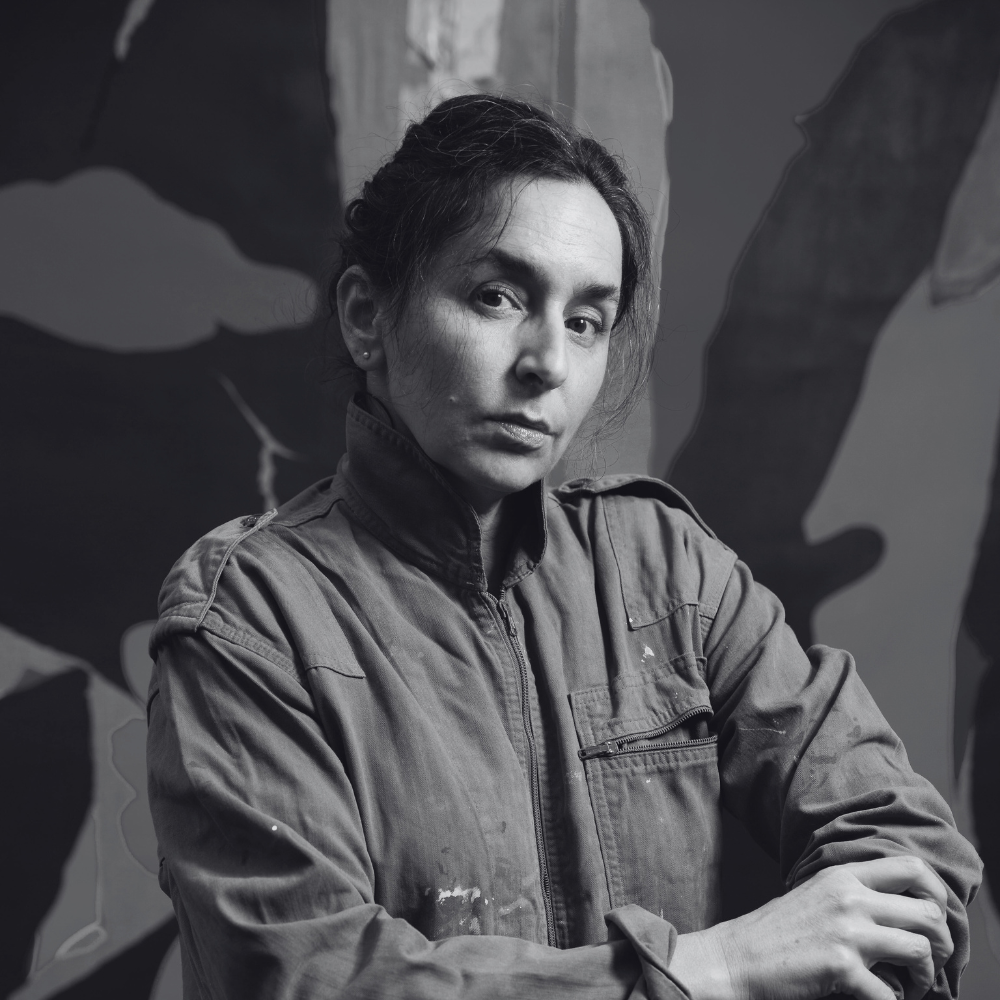
Nuria Mora
She is an undisputed leading figure on the international urban art scene—one of the very few women worldwide to have practiced unauthorized art in public space, and undoubtedly the most precocious in Spain.
She studied Interior Architecture at the Polytechnic University of Madrid and Fine Arts at the Faculty of Fine Arts of the Complutense University of Madrid. She began her artistic career in the late 1990s, focusing exclusively on illegal street interventions that build bridges between space, context, and form. Her aesthetic draws from geometric abstraction and natural metamorphosis, transcending the notion of furtive intervention to communicate on a more universal level.
She has also exhibited extensively in commercial galleries and art fairs, from her debut at ARCO 05 to Seoul in 2024. Her work has been shown at international institutions such as Tate Modern in London, the Fundació Joan Miró in Barcelona, Matadero Madrid, Le Pilori in Niort, the Fundació Pilar i Joan Miró in Mallorca, the Museum of Contemporary Art in Johannesburg, and, most recently, in a collateral project of the Venice Biennale in 2022.
She lives and works in Madrid.
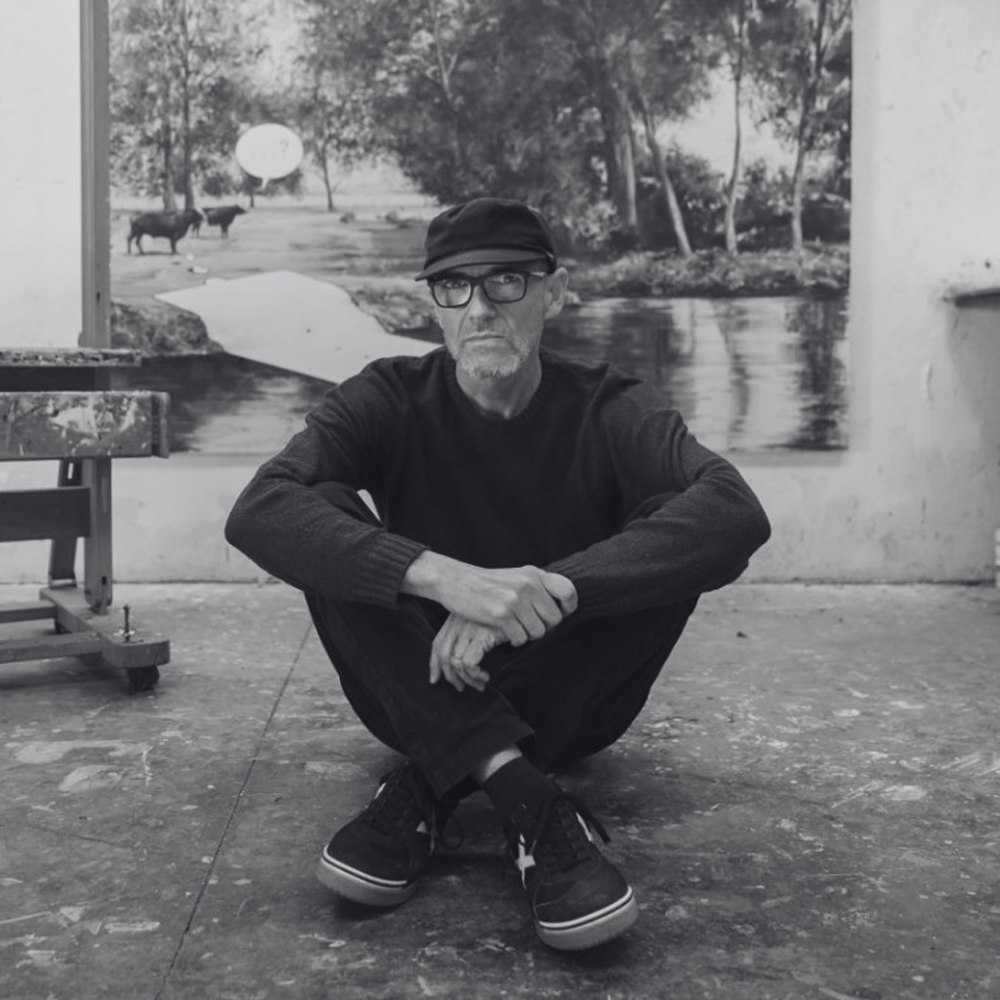
Paco Pomet
Paco Pomet (Granada, 1970) is a Spanish painter who combines painting and photography to create works that unsettle the viewer through references to comics, cinema, television, and animation. While some of his works are humorous, most employ humor and irony as tools to convey a critical stance, engaging with the contradictions and absurdities of the contemporary world.
Pomet’s painting is rooted in an old tradition of Western art in which realism becomes a double-edged sword: the believable serves as a point of departure from which a meaningful distortion emerges, ultimately unsettling the viewer. He uses photography as a starting point to reinforce the notion of realism, which is then dismantled through discordant elements introduced into the scene. These elements point to the linguistic crisis that defines Western culture.
The appropriation of history and the introduction of disruptive elements become a critical practice through which Pomet addresses our present time, marked by nihilism and discredit. The most characteristic disruptive devices in his work include hyperbole, personification, metaphor, distortion of scale, decontextualization, the absurd, and the grotesque.
Ultimately, Pomet’s work seeks to refresh, revisit, and examine what has been learned and inherited, fostering an active form of naivety that invites us to look at everything anew—with clear eyes and a transparency that questions visual constraints, aesthetic debts, dogmas, and inherited certainties.
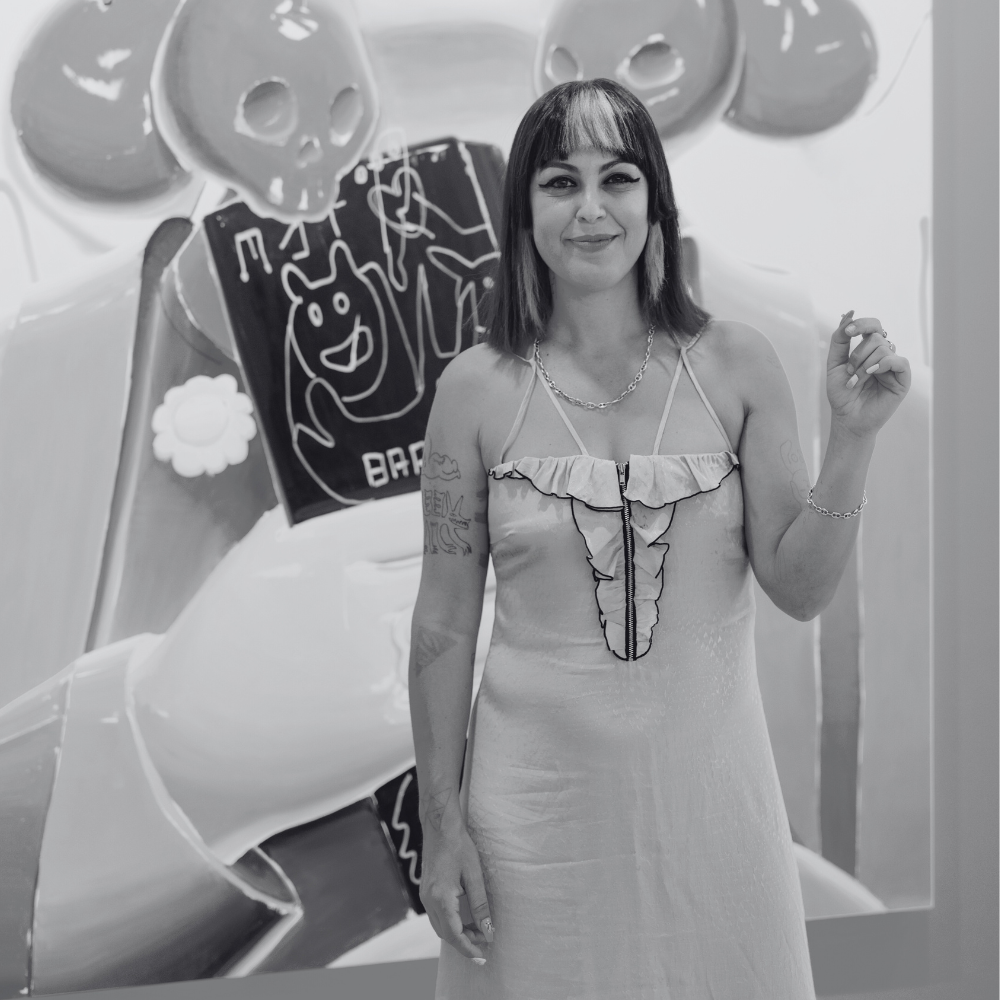
Ana Barriga
Ana Barriga (Spain, 1984) lives and works in Madrid. She holds a degree in Fine Arts from the Faculty of Fine Arts in Seville and previously completed studies as a Higher Technician in the Application of Art to Stone in Seville.
Barriga works with mixed media, using oil paint, enamel, marker, and spray—materials she employs as a vandalistic act against her own paintings, a defining hallmark of her practice. Her work addresses transcendent themes such as life, death, love, sex, and human relationships.
Across her practice, she follows a consistent process in her search for balance between emotion and reason: she rescues objects with a playful or endearing aesthetic and intervenes upon them, recontextualizing and crystallizing them through her creative process. The result is a vivid, colorful aesthetic that complements the relationship between the final image and the title of the work, often eloquently punctuated and marked by irony.
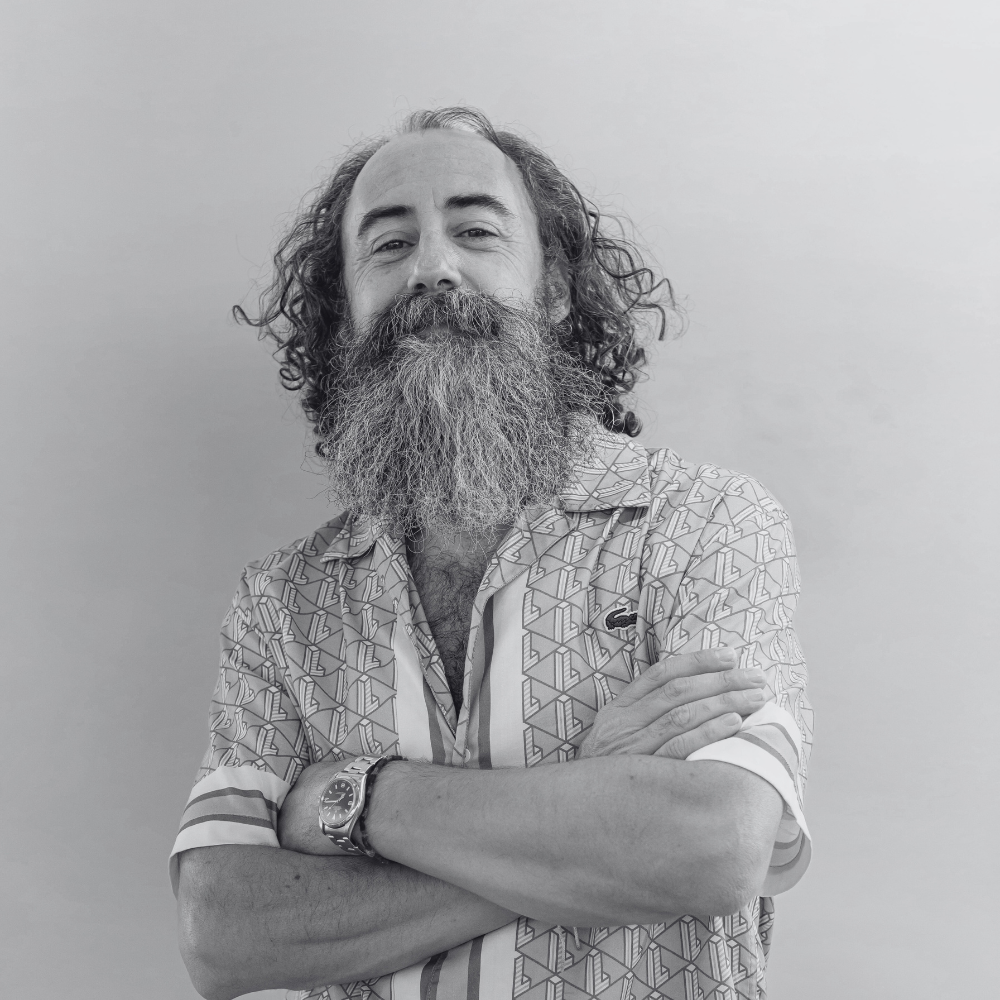
Sergio Sancho
Sergio Sancho (Madrid, 1978) left the advertising world, where he held an executive position, to devote himself fully to his passion for art—more specifically, to a new generation of contemporary art that at the time lacked a platform for visibility in Spain. In response to this gap, he founded CAN Art Fair Madrid (formerly Urvanity). After ten editions, the Madrid-based fair, held each March, has established itself as a key meeting point for these artistic practices.
Five years later, he launched CAN Art Fair Ibiza. Alongside this, Sancho has worked as a cultural agitator, developing artistic projects for brands such as Caleido, Las Rozas Village, Iberia, Swatch, Mahou, and NYX Hotels, bringing art closer to both the corporate world and the general public.
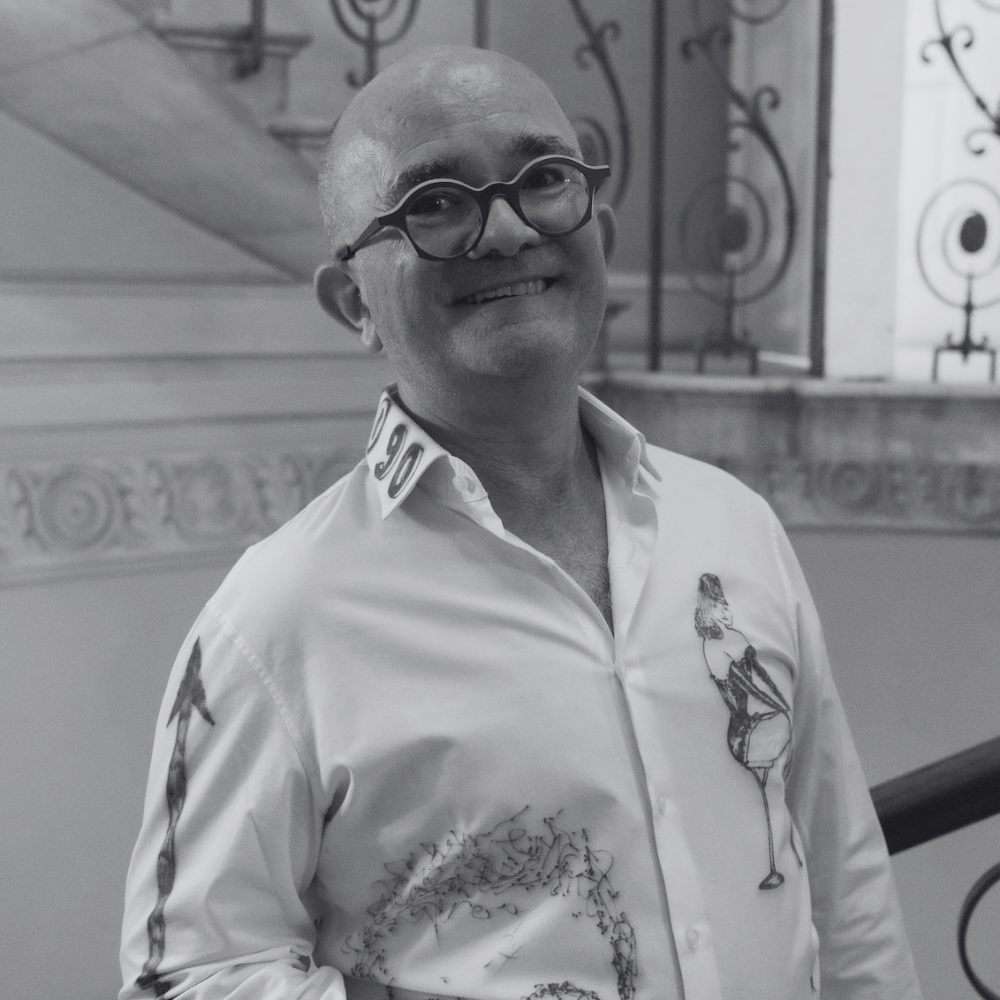
Rafael Martín
His life felt far too dull working as an economist and chartered accountant. To make it more bearable, he has cultivated his artistic sensibility since the 1980s, with a particular focus on international contemporary art.
In this field, he serves as president of the Fundación MER, which he co-founded with his parents, Elena Rueda Rodríguez and Marcos Martín Blanco. He is currently dedicated to increasing the visibility of Casa MER and to continuing to strengthen the existing collection through new acquisitions. He is also a member of the Asociación de Coleccionistas de Arte Contemporáneo 9915.
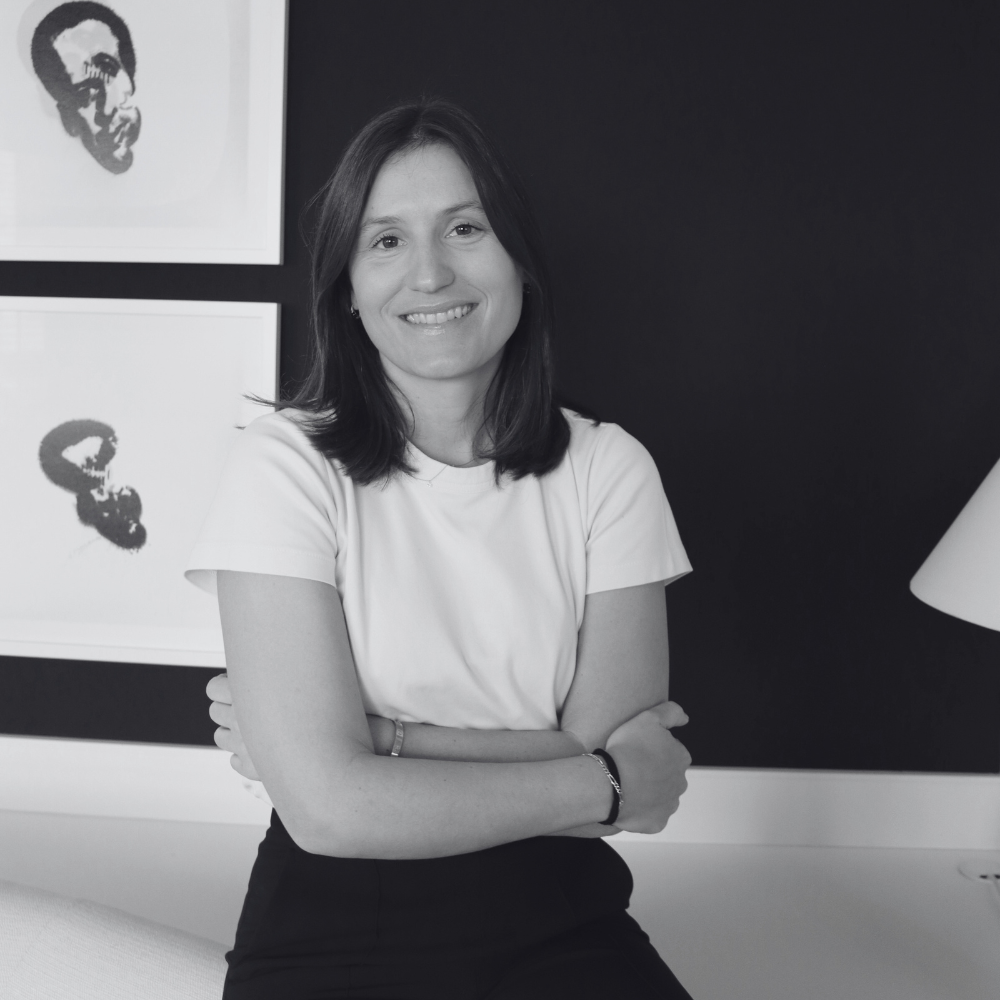
Carmen Corbera
Carmen Corbera is the creator and host of the podcast El Mundo del Arte, launched in March 2022 and currently in preparation for its ninth season.
She is an art professional with a career spanning both the institutional sphere and the art market. She has developed her career at Sotheby’s London, the Museu Picasso in Barcelona, and as general coordinator of the Casacuberta Marsans Collection, experiences that have given her a comprehensive and cross-disciplinary view of the sector. She is currently Head of the Art and Culture Department at Grupo Hotusa.
She trained at Universitat Pompeu Fabra and at The Courtauld Institute of Art in London.
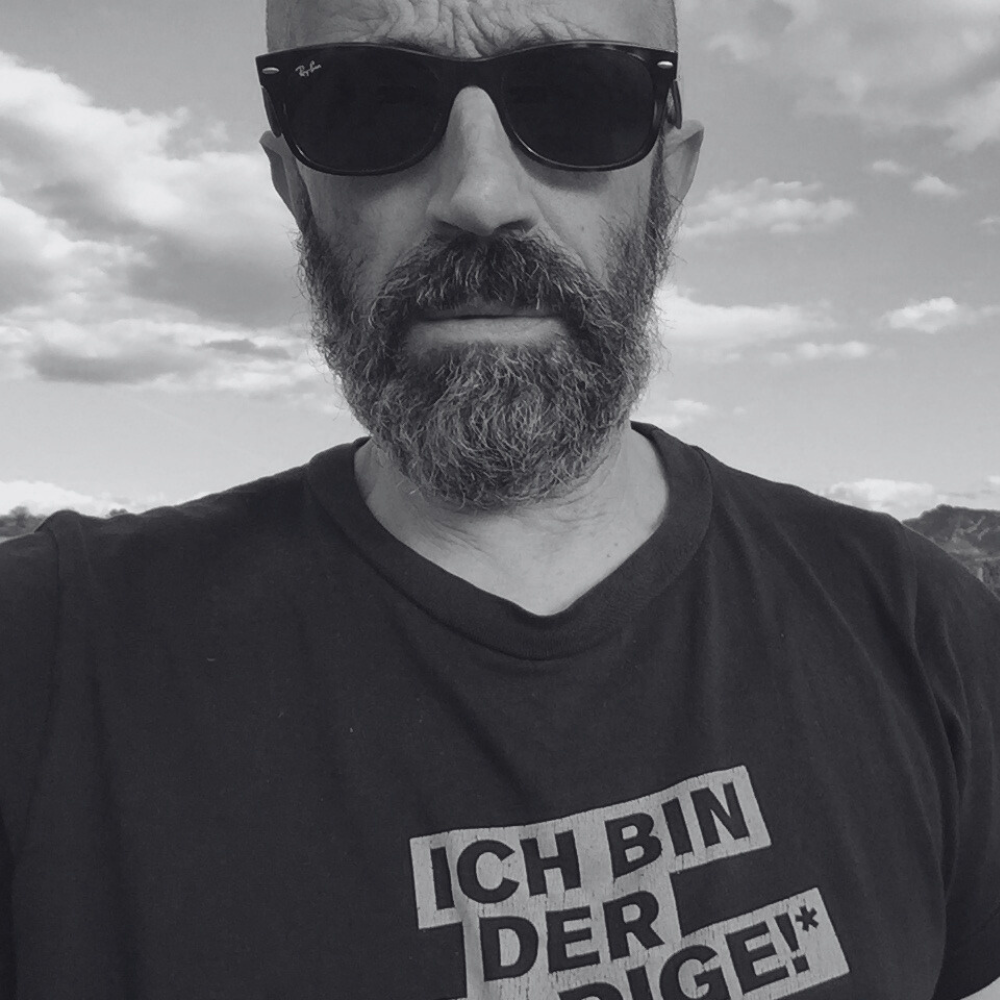
Pep Antón Clua Monreal
(Born in Corbera d’Ebre, Tarragona, 1960) He holds a degree in Fine Arts from the Sant Jordi Faculty of Fine Arts at the University of Barcelona. He has been co-director of Galería Silvestre since 2014, originally operating with two locations in Tarragona and Madrid, before expanding and settling permanently in Madrid in 2017.
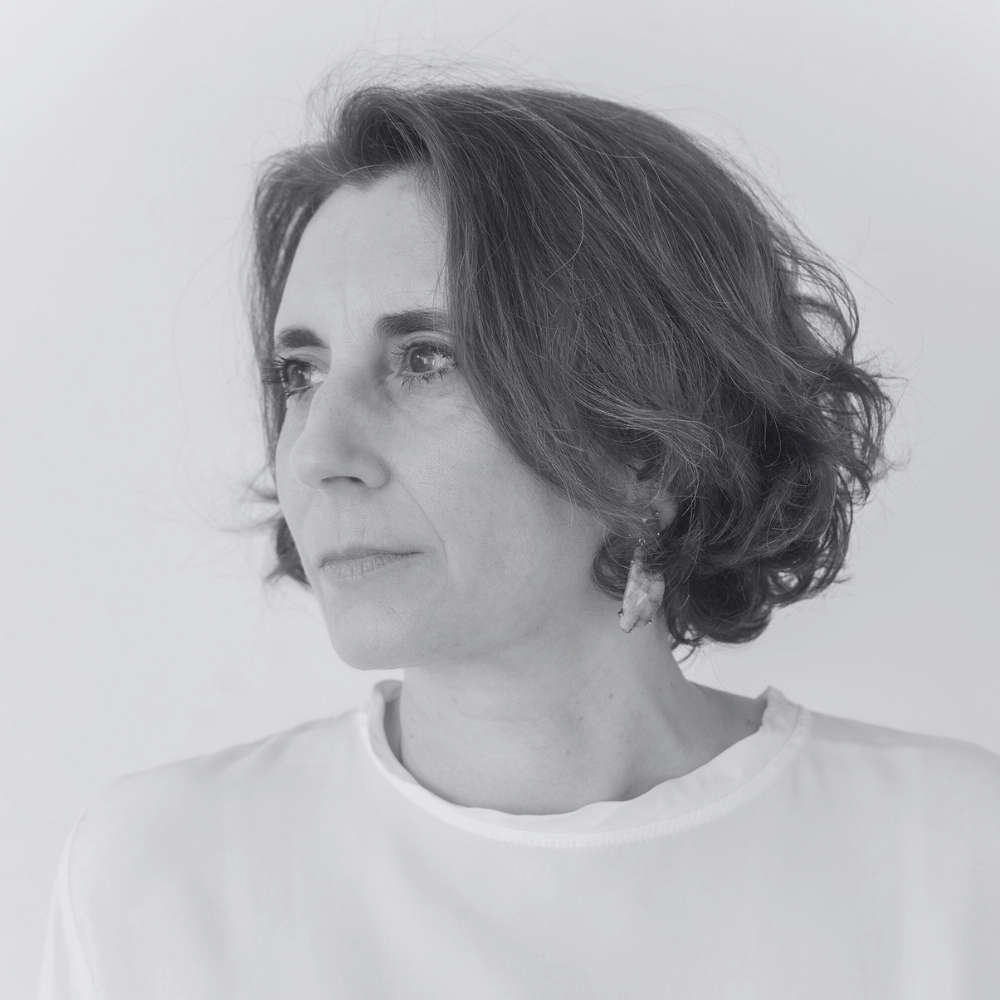
Beatriz Niño
She is co-founder, partner, and lawyer at NIAL ART Boutique Law Firm, a leading firm highly specialized in the art market and its main stakeholders.
Trained both nationally and internationally, and with more than thirty years of professional experience, she combines exceptional knowledge of the sector with a deep understanding of the needs of artists, collectors, gallerists, dealers, museums, auction houses, foundations, and other key players.
She acts as legal advisor, among others, to the Consortium of Spanish Art Galleries and the Guild of Art Galleries of Catalonia, as well as to prominent Spanish artists, galleries, foundations, and art collectors. She is also a lecturer, speaker, consultant, and professor at various institutions and universities on matters related to art law, including the University of Barcelona, Carlos III University of Madrid, and the International University of Catalonia.
Her professional achievements have established her as one of the most recognized lawyers in visual arts law in Spain, with strong international prestige and presence.
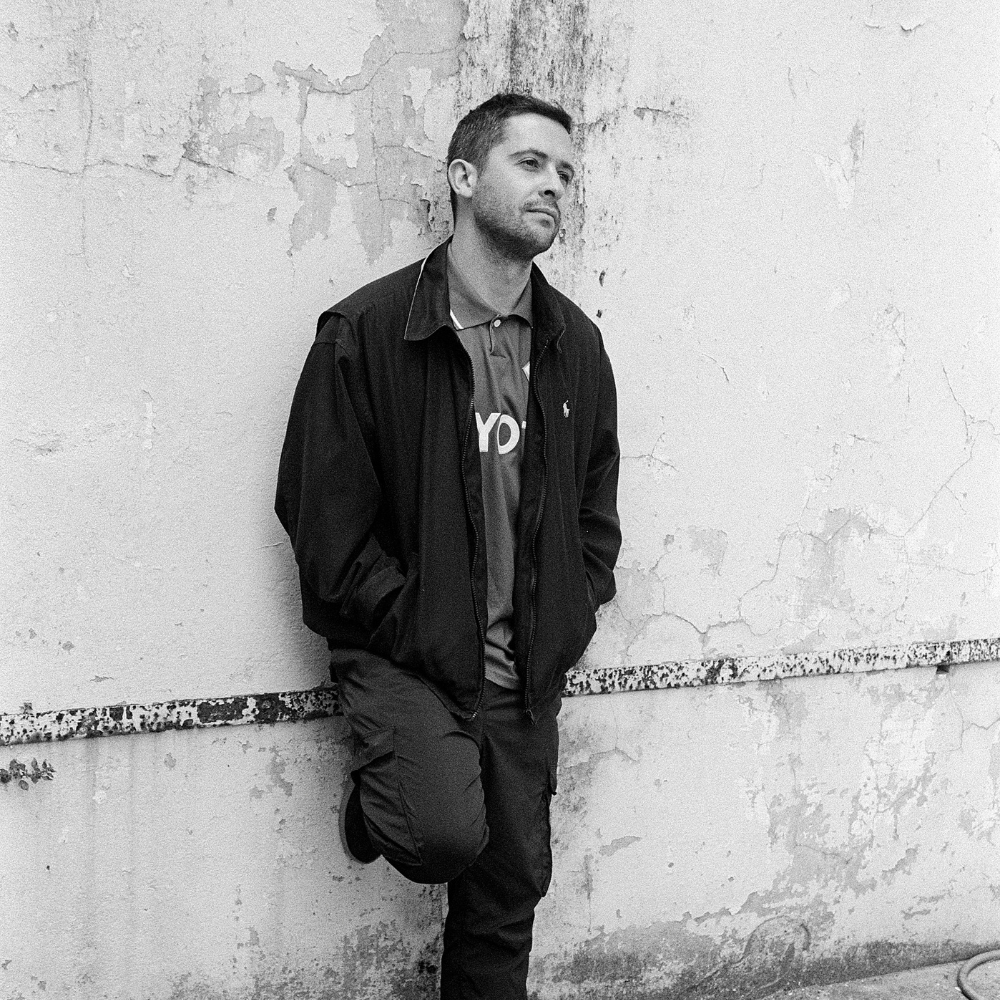
Sebas Velasco
Sebas Velasco has been drawing since childhood, but it was in 2004 that he began painting on the walls of his hometown. He later moved to Bilbao, where he earned a degree in Fine Arts with a specialization in painting. After completing advanced studies in Illustration at the Massana School in Barcelona, he was selected as an artist-in-residence at the Antonio Gala Foundation for Young Creators in Córdoba. He completed his education with a Master’s degree in Painting at the University of the Basque Country (UPV).
His work as a painter has been recognized with various awards, including first prize at the Climent Muncunill Competition for Young Artists in Manresa, selection for the traveling exhibition of visual arts Ertibil Bizkaia 2015, as well as an Accésit and an Honorary Mention at the AXA Burgos Cathedral Prize. His work has been exhibited both individually and collectively in galleries and museums across Europe, China, and the United States.
He has also taken part in grants and courses such as the Landscape Program at the San Quirce Academy in Segovia and the Extraordinary Chair of Albacete, taught by Antonio López.
Alongside his studio practice, he has maintained continuous activity in the public space since 2004, painting murals in cities both within and beyond Europe.
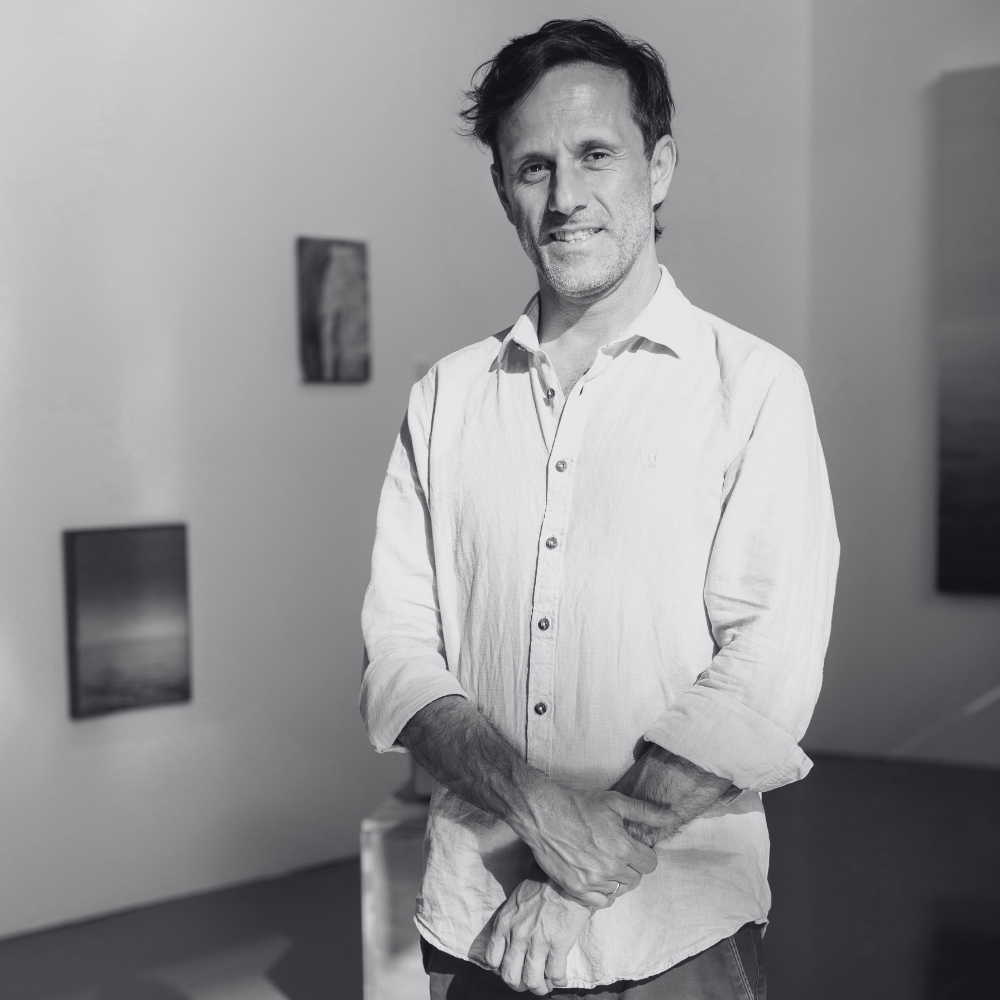
Sasha Bogojev
Born in Rijeka, Croatia, in 1978, Saša Bogojev lives and works in the Netherlands. Over the years, he has collaborated with a wide range of international publications, contributing to numerous artist books, magazines, and exhibition texts. Bogojev is best known for his work as a curator and for his long-standing relationship with Juxtapoz magazine, where he has served for many years as a contributing editor and European correspondent. Since its inception in 2022, he has curated the first four editions of CAN Art Fair Ibiza.
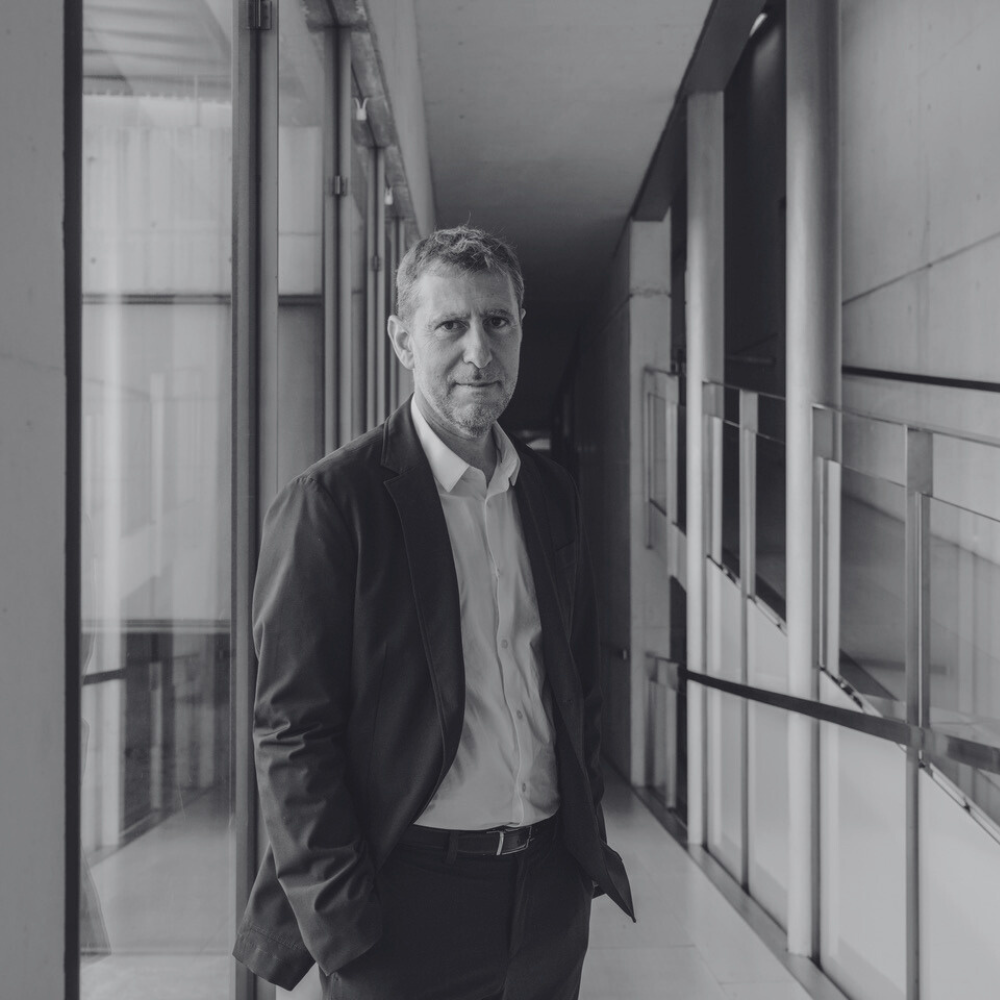
David Barro
David Barro is Director of Es Baluard Museu d’Art Contemporani in Palma de Mallorca and Co-Director of Biennal B. With extensive experience in cultural management, he has developed a career closely linked to the fields of contemporary art and design, working as an exhibition curator, editor, writer, and artistic director.
He has served as Managing Director of the DIDAC Foundation (Santiago de Compostela) and the Luis Seoane Foundation (A Coruña), and as advisor to the Barrié Foundation, where he was responsible for its International Contemporary Painting Collection. He has also been Artistic Director of events such as the Sustainable Art Action Festival SOS 4.8 in Murcia; Look Up! Natural Porto Art Show in Porto; and the Espacio Atlántico art fair in Vigo.
In 2023, he curated the guest country at the Porto Design Biennale and has co-directed the first four editions of Plataforma. Festival of Performing Arts in Santiago de Compostela, which he co-founded with the Performa Cooperative. From 2020 to 2023, he served as Artistic Director of MadBlue, Madrid’s culture, science, and innovation summit for sustainable development, recognized by the Spanish Government as an event of exceptional public interest. Between 2018 and 2024, he worked as a strategic consultant for the Galician Innovation Agency (Xunta de Galicia), advising on the Design for Innovation and Sustainability Program 2024, aimed at integrating design and artistic processes into the business sector.
As an exhibition curator, he has organized more than one hundred solo and group exhibitions featuring internationally renowned artists such as Joan Miró, Jannis Kounellis, Julião Sarmento, Jessica Stockholder, Axel Hütte, Alex Katz, Günther Förg, Sandra Cinto, Julian Opie, Fernanda Fragateiro, Caio Reisewitz, Markus Linnenbrink, and Berta Cáccamo. As director of various institutions, he has also programmed exhibitions by artists including Ángela de la Cruz, Valérie Jouve, Eugenio Dittborn, Ângela Ferreira, and Fiona Rae.
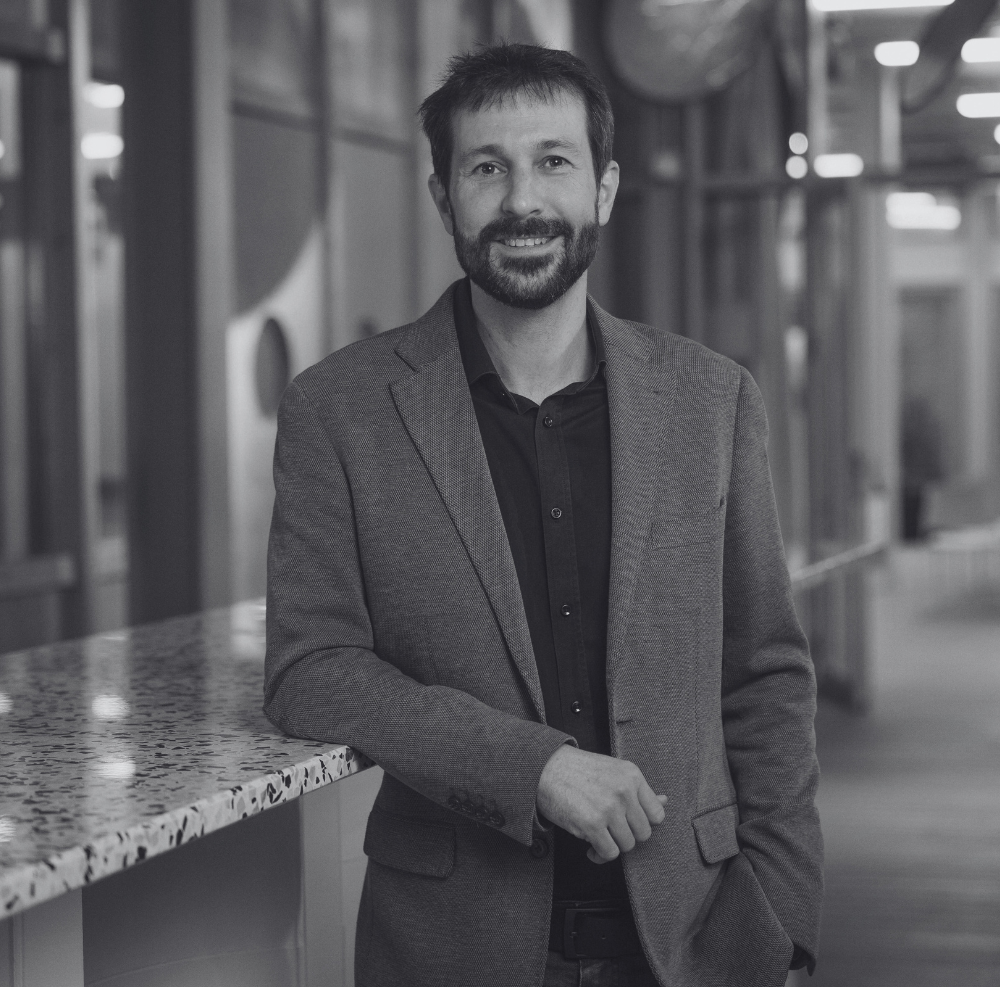
Javier Martín-Jiménez
He holds a degree in Art History from the Autonomous University of Madrid and has been Director of Infinito Delicias since January 2026. From 2020 to 2026, he served as Co-Director of Interfaz, a consultancy specialized in culture and dedicated to advising public institutions.
From January 2020 to October 2023, he was Resident Curator at the Centro de Cultura Contemporánea Condeduque in Madrid. Between September 2015 and September 2019, he worked as Art Advisor to the Regional Ministry of Culture, Tourism and Sports of the Community of Madrid. Previously, he was Founder and Director of the independent cultural platform Hablar en arte, as well as General Coordinator of PHotoEspaña, the international photography festival.
Among the exhibitions he has curated are: El agua diluye mis palabras, a solo exhibition by Olivia Funes (Las Cigarreras, Alicante, 2025); Happy: Essays on the Work of Jorge Pineda, curated together with the curatorial team of Centro León, Dominican Republic (Centro Arte Complutense, Madrid, 2024); Toda devoción causa ira, a solo exhibition by Liza Ambrossio (Sala Amós Salvador, Logroño, 2023); and Under the Surface (Fears, Monsters, Shadows) (Centro de Cultura Contemporánea Conde Duque, Madrid, 2020–2021).
Blanca de la Torre
Blanca de la Torre is Director of IVAM, the Institut Valencià d’Art Modern. She holds a PhD in Fine Arts, a degree in Art History, and a Master’s degree in Exhibition Design, and has an extensive career in exhibition curating, research, cultural management, and project leadership.
She has served as Chief Curator of both the Helsinki Biennial in Finland and the 15th Cuenca International Biennial in Ecuador, and has worked for more than two decades in the field of contemporary art with museums and art institutions across Europe, the United States, Asia, and Latin America. She has been a member of advisory boards for institutions, organizations, and collections—both public and private—at national and international levels, has published over one hundred texts in specialized media, and regularly participates in conferences, symposia, juries, and theoretical events.
Luz Moreno Pinart
Nacida en España en 1989, Luz Moreno Pinart es una artista plástica cuyo trabajo sitúa la fibra y el arte textil en el centro de una investigación sobre la estructura, la memoria y el territorio. Graduada en la École Nationale Supérieure des Arts Décoratifs de París (ENSAD), consolidó su lenguaje artístico durante siete años de colaboración con Sheila Hicks, donde desarrolló una sensibilidad única hacia la arquitectura del hilo y la tridimensionalidad del tejido.
Su práctica se define por una exploración táctil y matérica, donde el textil actúa como un organismo vivo capaz de absorber y revelar historias invisibles. A través de técnicas que van desde el tejido estructural hasta el uso de tintes experimentales y fibras salvajes —como la ortiga o el lino—, Luz construye instalaciones que dialogan con el espacio y la naturaleza. Su enfoque hibrida el saber hacer artesanal con una visión contemporánea, transformando el gesto de tejer en una herramienta de comprensión del entorno.
©Foto - Martin Argyroglo
Lluís Alexandre Casanovas
Lluís Alexandre Casanovas Blanco (Ripoll, Girona, 1985) is an architect, curator, and critic. He holds a PhD from Princeton University. He is currently curator of the Museu Habitat project, an initiative of the Government of Catalonia led by Manuel Borja-Villel, and is responsible for the spatial practices track at BAU, Centre Universitari d’Arts i Disseny de Barcelona. Between 2021 and 2024, he served as Architecture Curator in the Department of Collections at the Museo Nacional Centro de Arte Reina Sofía, where he designed the strategic collections plan for architecture and design and collaborated with the Education Department on guided programs.
Casanovas Blanco combines his architectural practice with curatorial work and cultural projects. In 2016, he was General Curator of the Oslo Architecture Triennale together with the After Belonging Agency. He has also been part of the curatorial team for Niño de Elche. Auto Sacramental Invisible (2020–2021) and Vasos Comunicantes. Collection: 1881–2021 (2021) at the Museo Reina Sofía. Among other exhibitions, he curated Un Piano Preparado at La Casa Encendida (2023), Lo Animal en España (2024) at Fundación Cerezales in León, and Val del Omar: Una técnica con T mayúscula (2024) at C3A in Córdoba.
Gaspard Fleury-Dugy
Gaspard Fleury-Dugy is a Paris-based designer and visual artist. His practice is nourished by textile techniques and the graphic vocabulary they unfold. For him, loops, stitches, and lines become the elements of a vibrant and joyful language. Celebrated internationally for his knitted sculptures, he is also a trapeze artist and likes to view his work as a sequence of supple and colorful pirouettes.
Trained at the École Duperré in Paris and at the Swedish School of Textiles in Borås (Sweden), he developed from early on a distinctive universe where machine, digital technology, handcraft, and mind converge. For Gaspard Fleury-Dugy, knitting is building. In 2021, at just 22 years old, he distinguished himself by his ability to hack the industrial knitting machine—his “pencil”—to invent a new language in which yarn becomes volume, structure, and architecture. His knitted sculptures stand at the crossroads of technological innovation, fine craftsmanship, and imagination. Having rigorously programmed the knitting digitally, he then undertakes a hand re-knitting to bring the knit into volume and transform it into a genuine textile micro-architecture.
His first collection, ‘Soft Objects’, unveils three-dimensional pieces with a strong and immediately recognizable visual identity. These knitted sculptures, with their organic forms and futuristic accents, evoke at once ancient amphorae, the curves of Oscar Niemeyer, the graphic world of the Memphis movement, and the pixelated aesthetics of the digital age. Fluorescent colors, inspired by sportswear, emphasize folds and tensions, endowing each piece with an almost vibratory intensity.
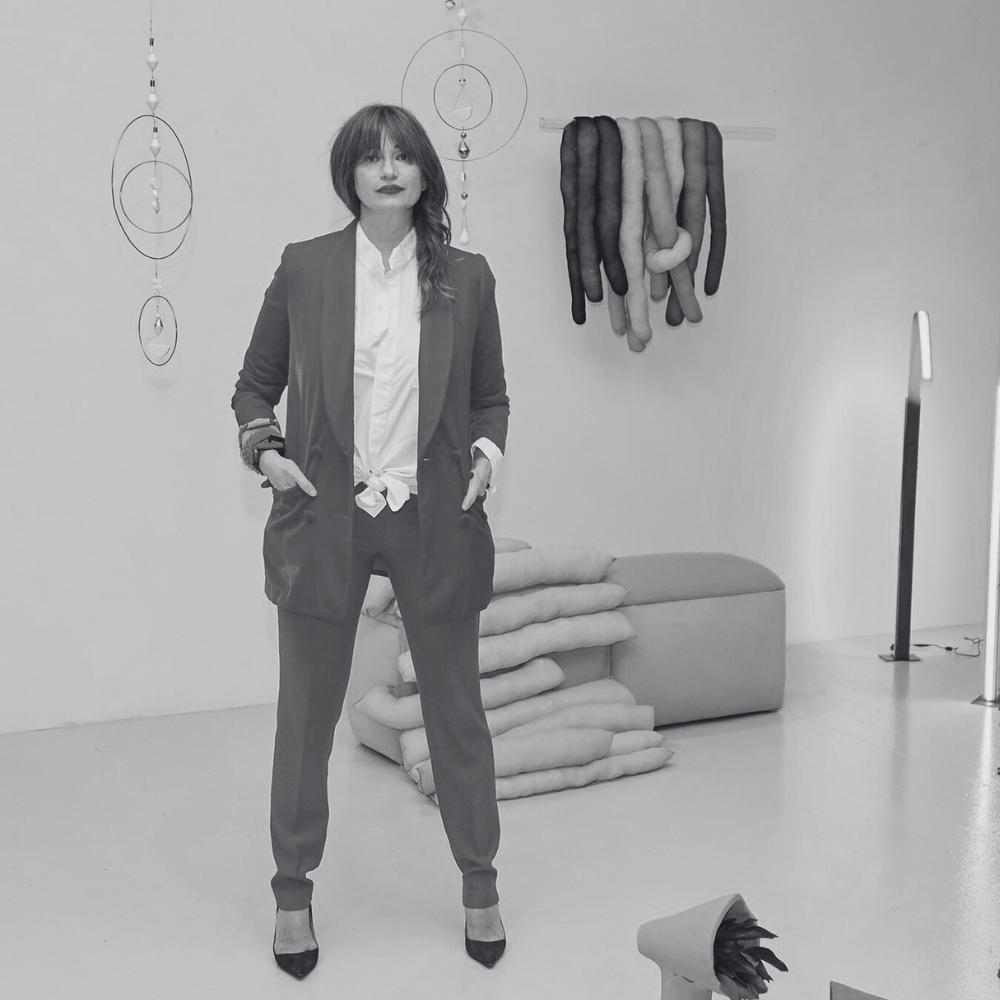
Marisa Santamaría
She is the founder of the Global Design & Innovation Trends Unit and works as a researcher, curator, and cultural communicator specializing in global design connected to 21st-century social and cultural movements. She works between Madrid, Milan, and Paris. She collaborates as a cultural contributor with brands and institutions such as Poltrona Frau, Bang & Olufsen, Rimadesio, &Tradition, BTicino, Lladró, Citroën, Simon Electric, Actiu, Salone del Mobile Milano, and Danish Design+. She serves as a Design Talents and Trends Forecaster for Maison&Objet Paris and leads the research project Atlas of Design Culture in Spain in collaboration with the Spanish Ministry of Culture and Sport and MDF. She has been a jury member for the Spanish National Design Awards (2023–2024) and the iF Design Award in Germany, and has taught at Poli.Design–Politecnico di Milano, where she develops the Poli.Design Trends Laboratory, as well as at IE University Architecture & Design and Universidad Nebrija.
She writes about design for publications such as El País, ICON Design, AD, ELLE Decoration, and Diseño Interior, and curates exhibitions focused on new narratives in design and architecture, including Cosas de arquitectos, Biblioteca Ilustrada del Diseño, MujerXMujer: Design in Transition, and 10 Emociones, 10 Rosas: Creators Committed Against Cancer.
One of her main current research projects focuses on “Sensoriality and Design,” exploring the relationship between craftsmanship and new technologies in collaboration with POLI.Design at Politecnico di Milano.
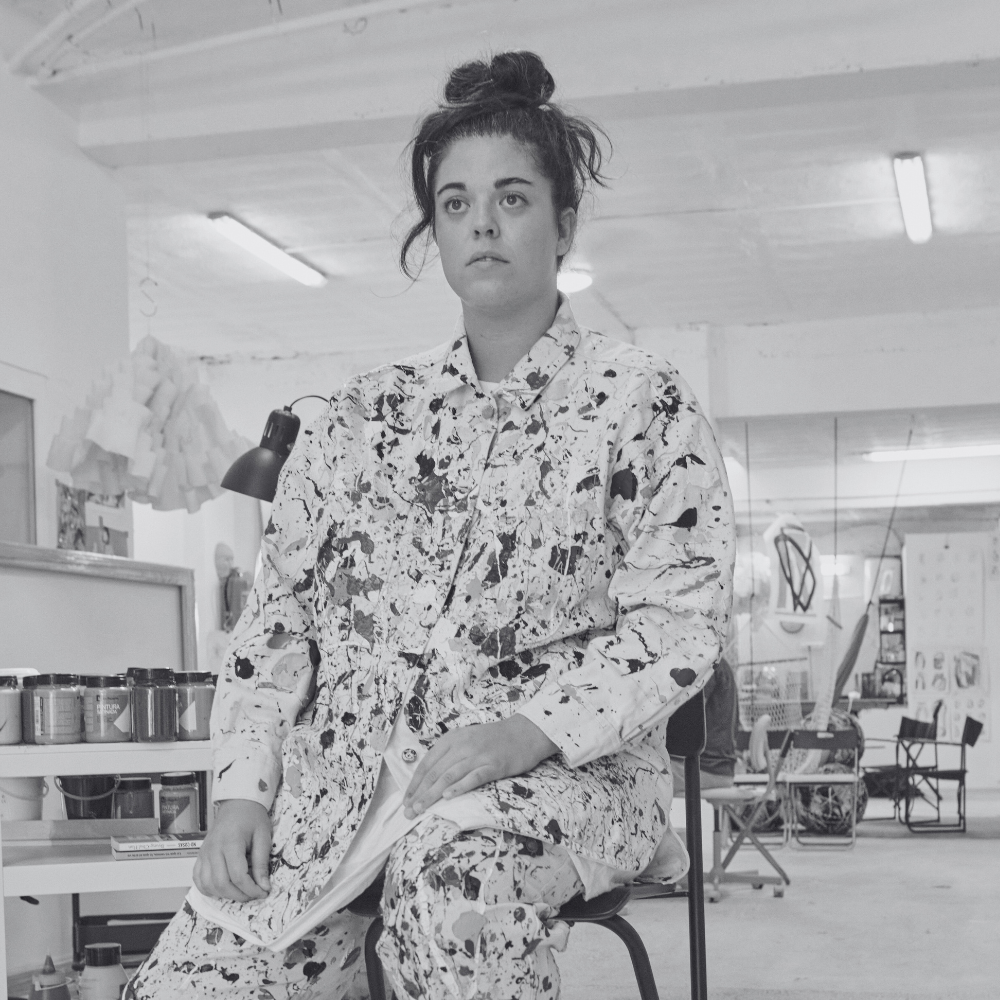
Ela Fidalgo
Ela Fidalgo (Palma de Mallorca, 1993) has developed a unique visual language using fabrics and embroidery combined with acrylic paint and wax. Fidalgo gives form to emotions that emerge from a universe filled with questions about human behavior, extending beyond the domains of everyday life and thought. Her processes are dedicated to caring for the individual, their reactions, and their behaviors.
Her research invites reflection on what it means to be human—in body, soul, and essence. Moving away from academic techniques, her practice is rooted in figurative art with naïve undertones, creating false collages in which the body becomes the central protagonist. She embraces imperfection because, for the artist, imperfection is proof of creativity: what is perfect does not grow—it stagnates.
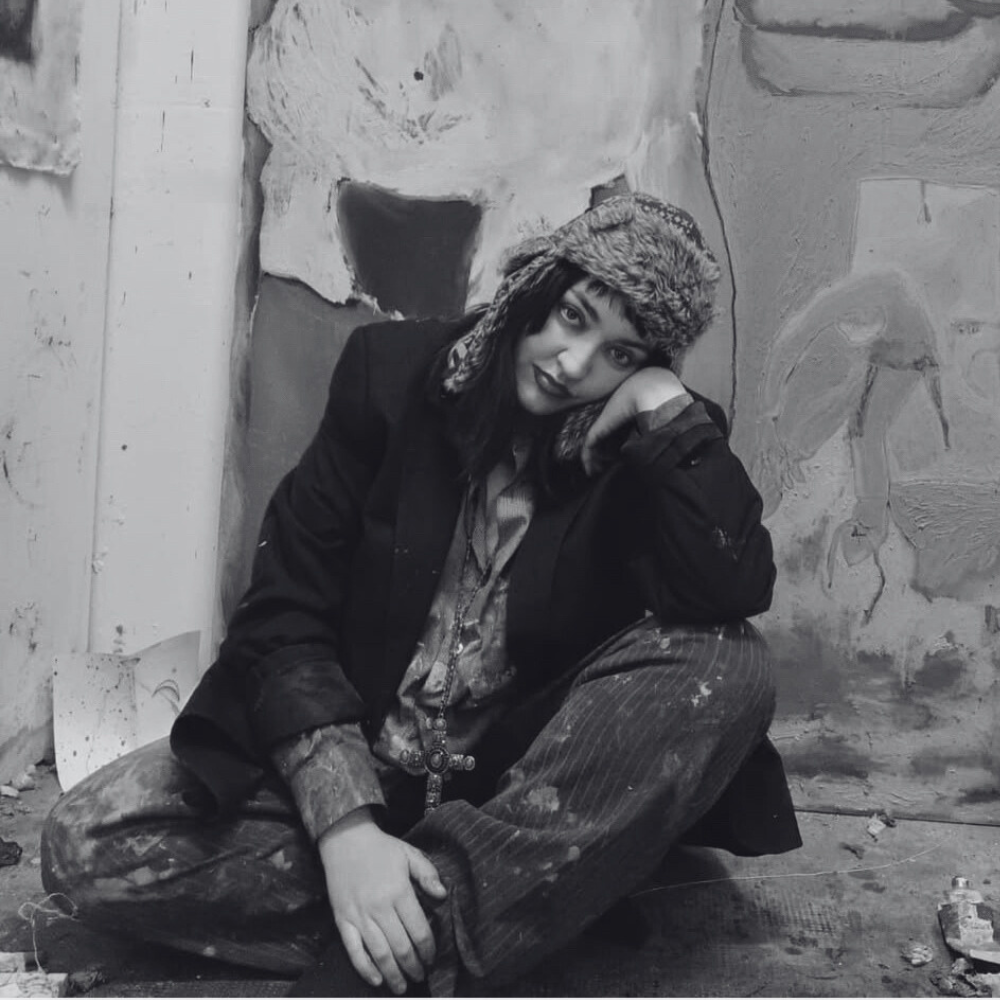
Natalia López de la Oliva
Natalia López de la Oliva Mena is a painter whose work embodies the intuitive ambiguity of observing the world from a kitchen window. She holds a degree in Fine Arts from the Faculty of Fine Arts in Cuenca, Spain. Her practice develops an anthropomorphic expressionism in which images and sensations dissolve across the fullness of the canvas. Through an honest narrative, her painting becomes a vehicle for conveying her distinctive vision and understanding of the world.
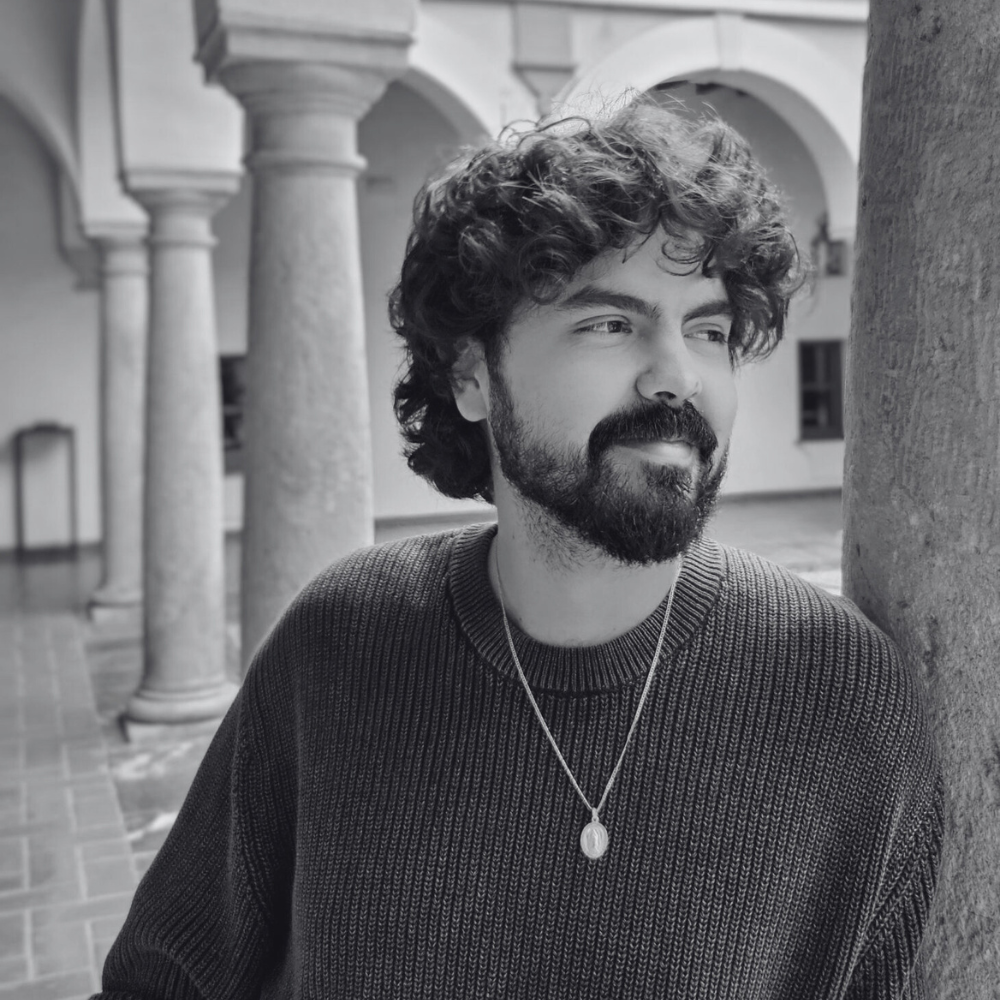
Arturo Garrido
He is an architect trained at the Polytechnic University of Madrid. At the age of 24, he exhibited for the first time at the ARCO art fair. Since then, he has developed a multidisciplinary artistic career and has exhibited at various fairs, museums, and galleries, including Artesantander, CEART, and Arniches 26. He has also carried out exhibitions and residencies in countries such as Cuba and Mexico.
In his installations, drawing, painting, and above all sculpture converge. Through these media, he develops experimental investigations that, starting from a place, a historical event, or a connection to art history, construct a broader creative fiction.
His production is particularly noted for his metallic mesh sculptures—resembling ethereal apparitions—in which painting gains volume and appears to float in space.
At the Foundation, he will develop various scenographic elements for tragedies by Seneca, drawing on objects from the archaeological museum and the paintings of Julio Romero de Torres.
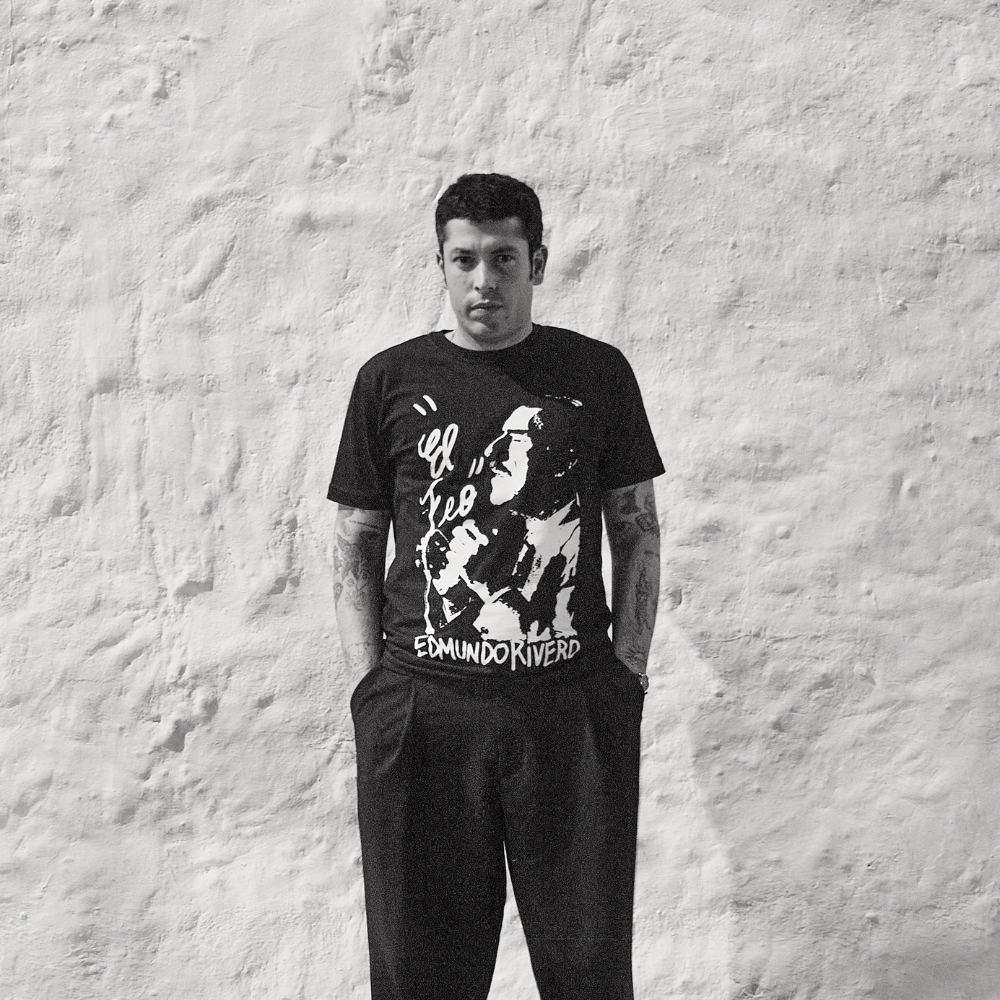
Mauro Agustín Cruz
Mauro Agustín Cruz (b. 1991, Mar del Plata) briefly studied at the Faculty of Fine Arts in La Plata in 2013 before returning to his hometown, where he took part in the workshop Todo es Escultura led by Juan José Souto. In 2014, together with Nahuel Agüero, he founded Le Putit Galerie, the first young art gallery in Mar del Plata.
His first solo exhibition was Respeto Ironía at Le Putit Galerie (2014). Other exhibitions throughout his active career include La Cabida Eterna at the Foyer of the Mar del Plata Auditorium (2015); Colección Privada at Moria Galería, Buenos Aires (2016); and the group exhibition Post Dial Up at Centro Cultural Recoleta, curated by Seba Acampante (2016). Together with MOTP, he participated in ArteBA Focus La Boca (2016). Further exhibitions include Paisajismo, Chauvin continuo at the Mar del Plata Auditorium (2018) and Bueno, hay otras maneras at Moria Galería (2018).
In 2017, he took part in the URRA Artist Residency alongside Max Gómez Canle for the exhibition Fulminante at La Casa de las Culturas in Tigre. In 2019, he was selected by the Argentine National Arts Fund (FNA) to exhibit at the Casa Nacional del Bicentenario and received a grant from Club TRI (Mar del Plata) to lead an intensive plein air painting seminar.
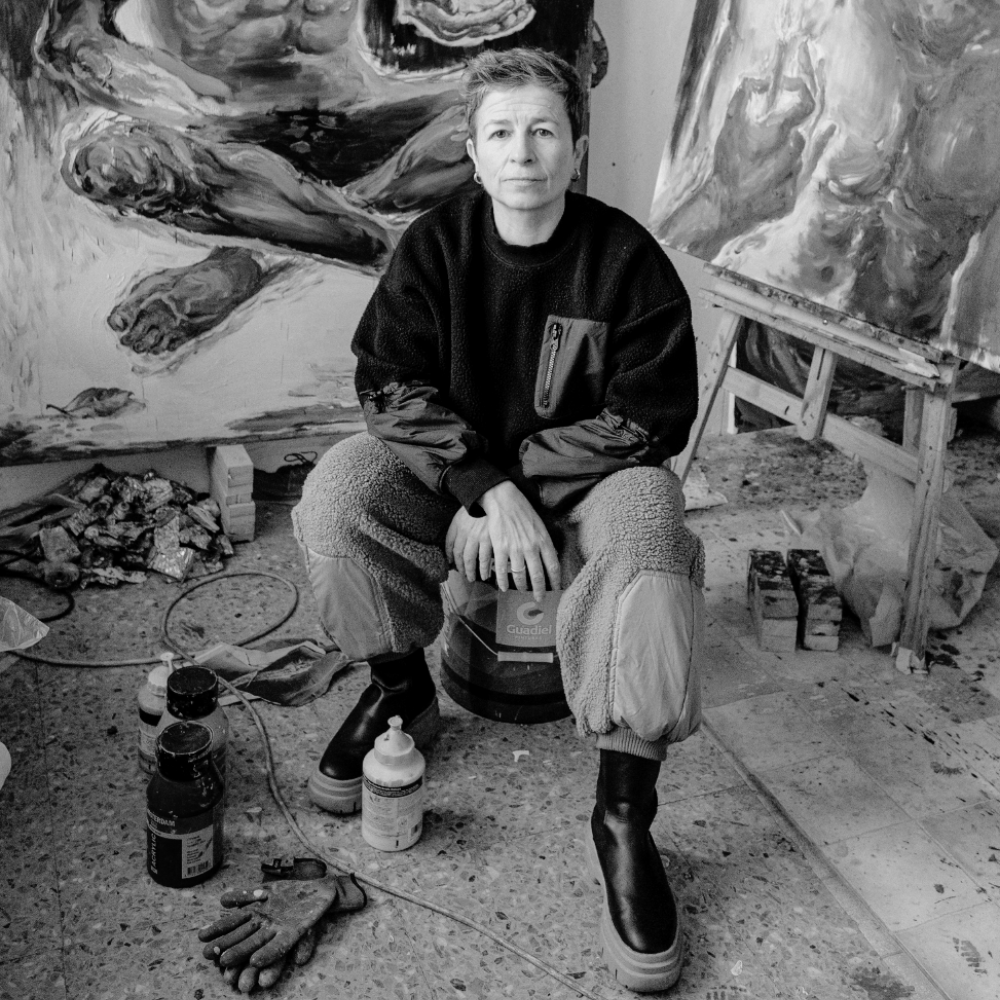
Juana González
Juana González (Puertollano, 1972) holds a degree in Fine Arts from the Complutense University of Madrid (2005). She develops her practice in the fields of painting and drawing.
Her paintings function as staged scenes with baroque compositions, employing a visual language that moves between surrealism and expressionism within narrative figuration. Each work represents a struggle and a search for balance between figuration and painting itself, going beyond mere representation to foreground color, brushwork, and the presence of painting as a powerful, autonomous element.
Her work has been shown in a range of institutional venues, including Sala Robayera (Cantabria), Centro de Arte Alcobendas, Instituto Cervantes (Munich), Santa Catalina Church in Badajoz, the University of Alicante Museum, and the Musée des Beaux-Arts de La Chaux-de-Fonds in Switzerland.
She has received several awards and distinctions, including the Best Spanish Artist Award at ARCO 2025 from Artepuntoes magazine of the Institute of Contemporary Art (IAC), the 34th López Villaseñor Prize for Visual Arts (2025), an honorary mention at the ABC Painting and Photography Awards (2003), and the Contemporary Art Encounters of the Juan Gil-Albert Alicante Institute of Culture (2012), among others.
She has participated in numerous national and international art fairs such as ARCO, UNTITLED, PINTA (Miami), Estampa, Urvanity, JustMad, Drawing Room, and Arte Santander. Her work is included in collections such as Colección Solo, Colección Oliva Arauna, the Government of Cantabria Collection, KELLS Art Collection, the Museo de Arte Contemporáneo MMAC (Madrid City Council), Fundación Studiolo, among others.
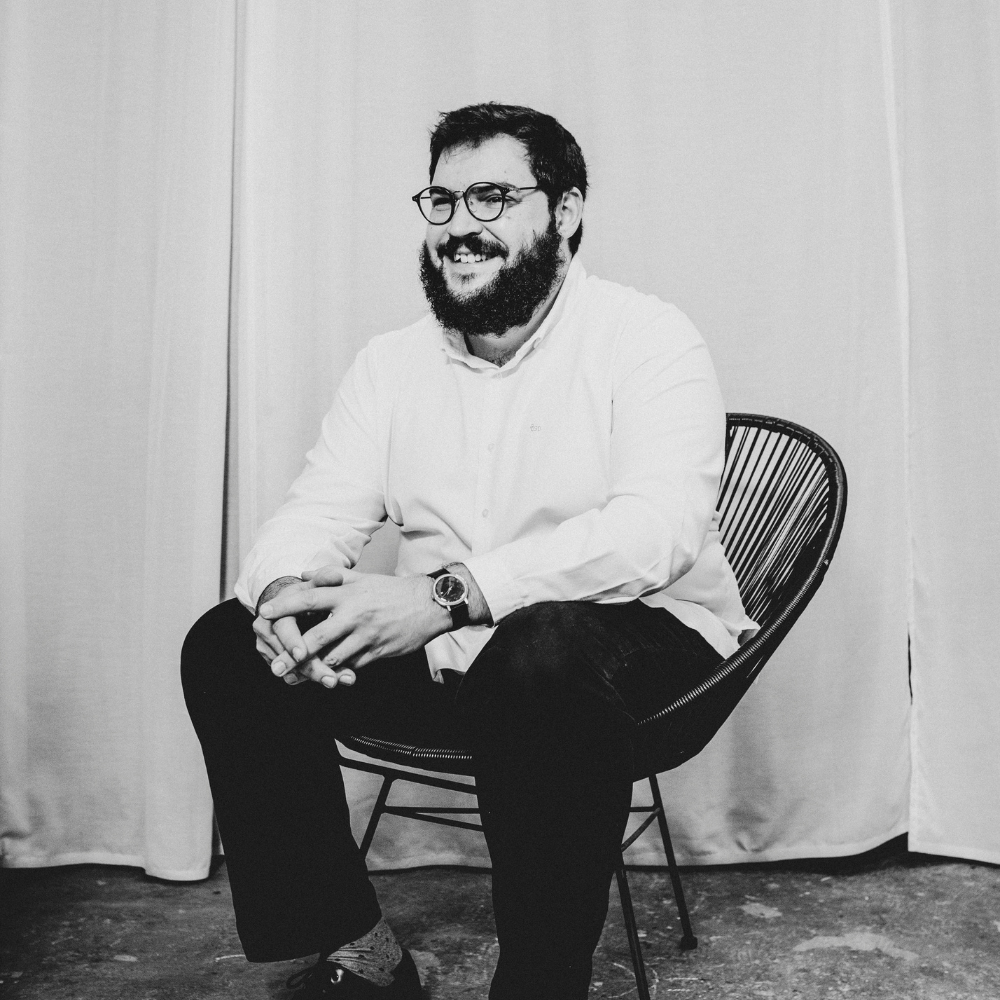
Joaquín Jesús Sánchez
Joaquín Jesús Sánchez is an art critic, writer, and independent curator. He holds a degree in Philosophy and a master’s degree in the History of Contemporary Art. He writes for ArtForum, FlashArt, infoLibre, El Cultural, elDiario.es, and other national and international publications.
Recently, he has curated exhibitions such as Una distancia insalvable (Fundación Cerezales), Tratado General del Mundo (ICAS, Espacio Santa Clara), and Embustes y maravillas: implausible representations of “the other” (AECID, Casa de Iberoamérica, Cádiz). He is the author of numerous catalogue essays and maintains a discreet and intermittent teaching practice.
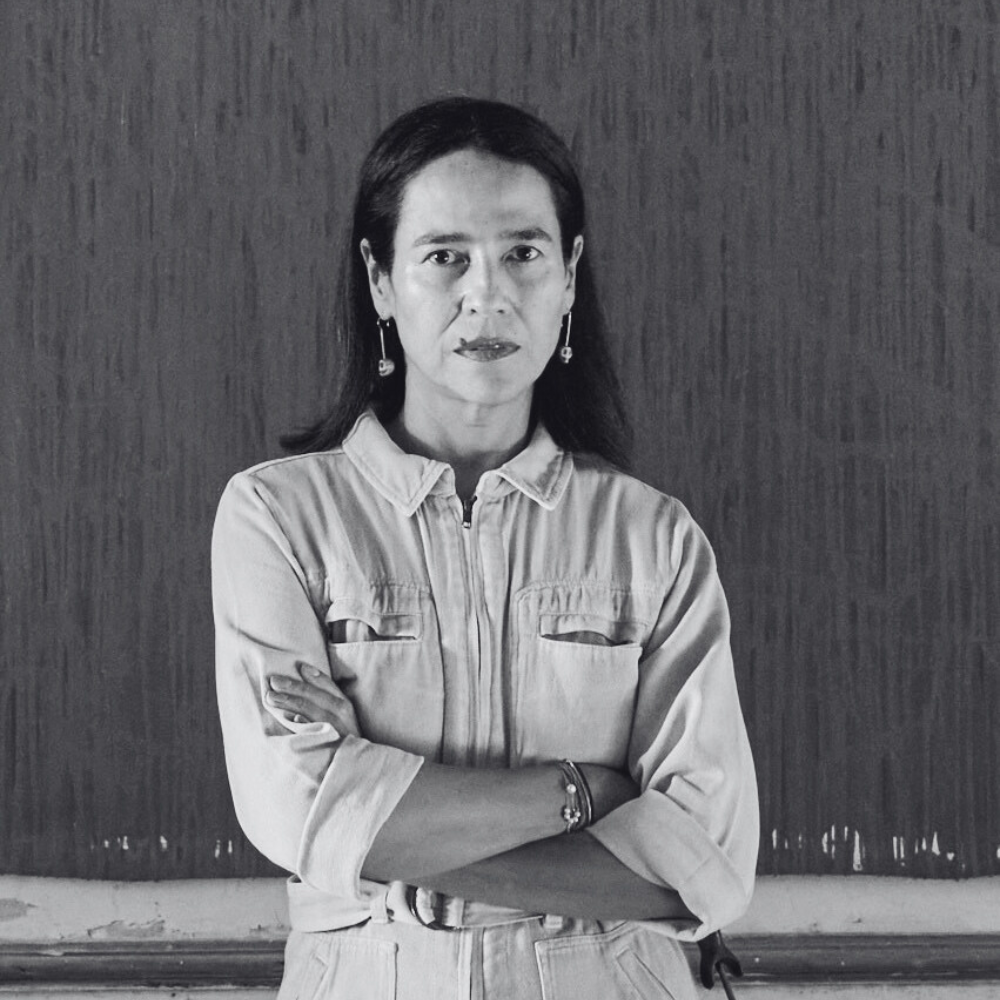
Marcella Ciacci
Marcella Ciacci, a Panamanian national, has a multifaceted career that intertwines history, entrepreneurship, and a deep artistic sensibility. She holds a degree in History and Italian from Georgetown University and was educated at The Ethel Walker School in Connecticut. Her worldview has been shaped by an international life marked by constant movement between countries and by having lived in cities such as Washington, D.C., New York, Milan, and Madrid, before settling in her current residence in Menorca.
Her professional trajectory spans the diplomatic sphere, including a period at the Italian Embassy in Madrid, as well as successful entrepreneurship in the travel and gastronomy sectors. She is the founder of Ida y Vuelta Viajes and of the renowned restaurants Minabo and Micono in Madrid, with Minabo being particularly acclaimed for its innovative and unconventional approach within the city’s gastronomic scene.
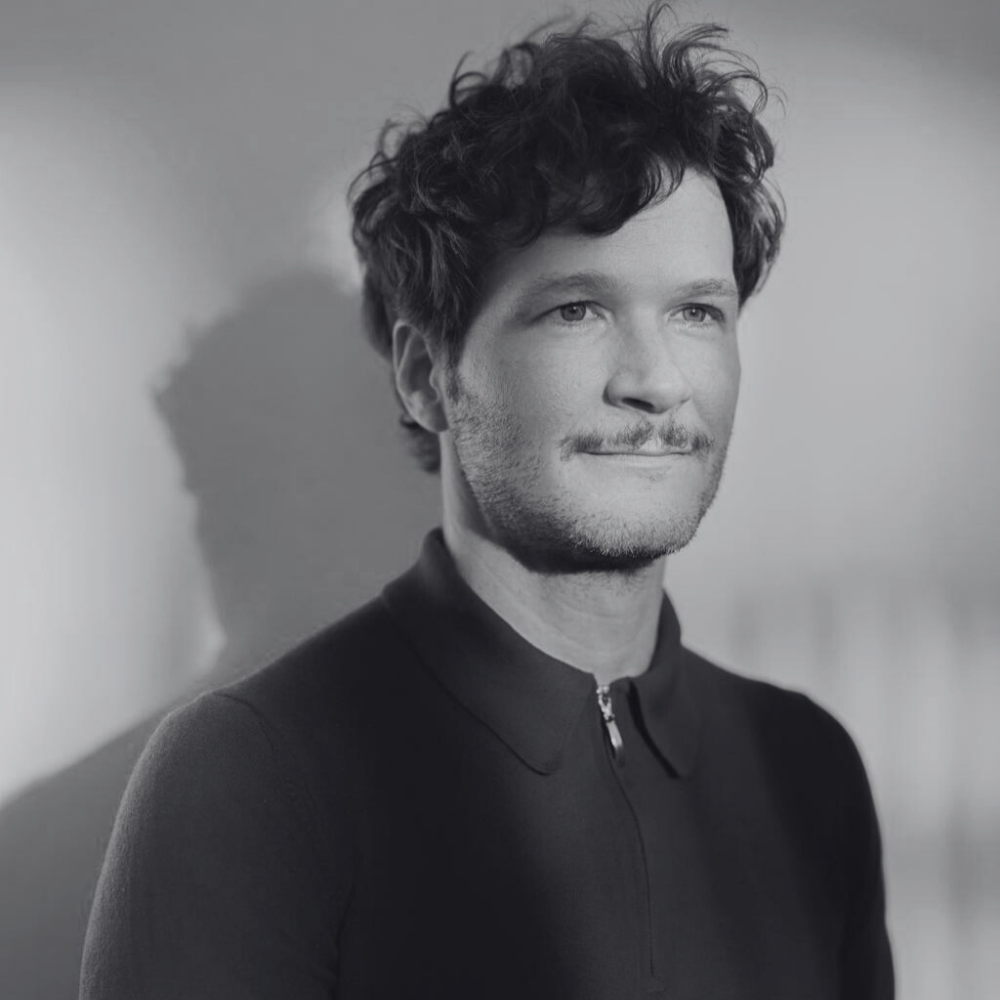
Ianko López
Ianko López is a cultural manager, writer, and critic specializing in culture and the visual arts, with a background in consultancy. He regularly contributes to a range of media outlets, writing on art, design, architecture, and culture. His bylines include El País Semanal, ICON, Babelia, Vanity Fair, Traveler, and El Periódico de España.
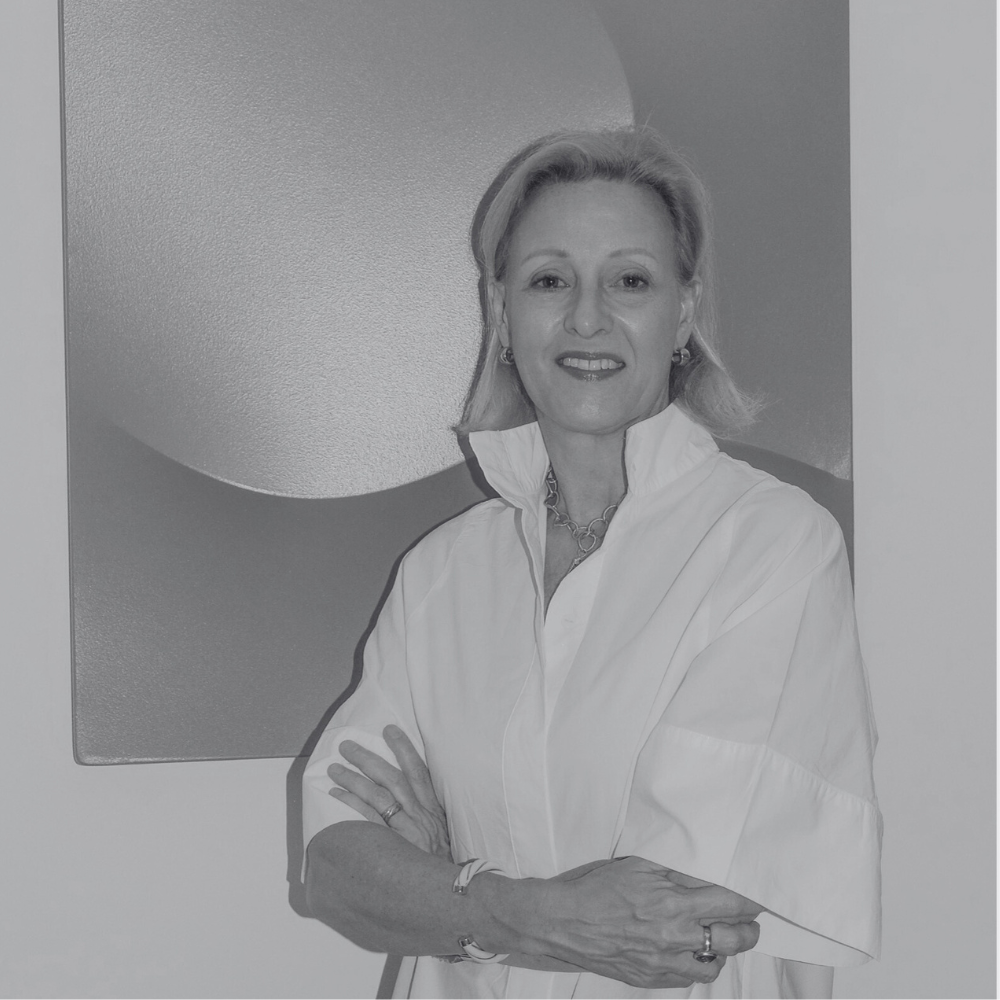
Alexandra Schader
Alexandra Schader is Co-Founding Partner of Schader & Zubillaga Fine Art. After completing her university studies in the United States, she began her professional career in 1992 at Sotheby’s New York, where she worked in the Latin American Art Department. After five years in New York, she returned to Madrid and joined Marlborough Gallery in 1997. During her years at the gallery, Alexandra worked closely with the represented artists. Appointed Co-Director in 2004, she focused on promoting their work both in Spain and internationally.
In 2005, Alexandra returned to Sotheby’s, joining the Madrid office as Director of the Modern and Contemporary Art Departments of Sotheby’s Spain. Over her 20 years at Sotheby’s Spain, she witnessed and took part in major changes and key phases in the art market, both locally and across the main international market centers.
In 2025, she left Sotheby’s to found, together with her partner Aurora Zubillaga, the independent advisory firm Schader & Zubillaga Fine Art, dedicated to advising clients on the purchase and sale of artworks and supporting all aspects related to private, corporate, and institutional collections.
Alexandra has an in-depth knowledge of the modern and contemporary art market in Spain and has worked for more than two decades with international teams in New York, London, Paris, and Hong Kong, enabling her to advise collectors and institutions in Spain across a wide range of artworks.
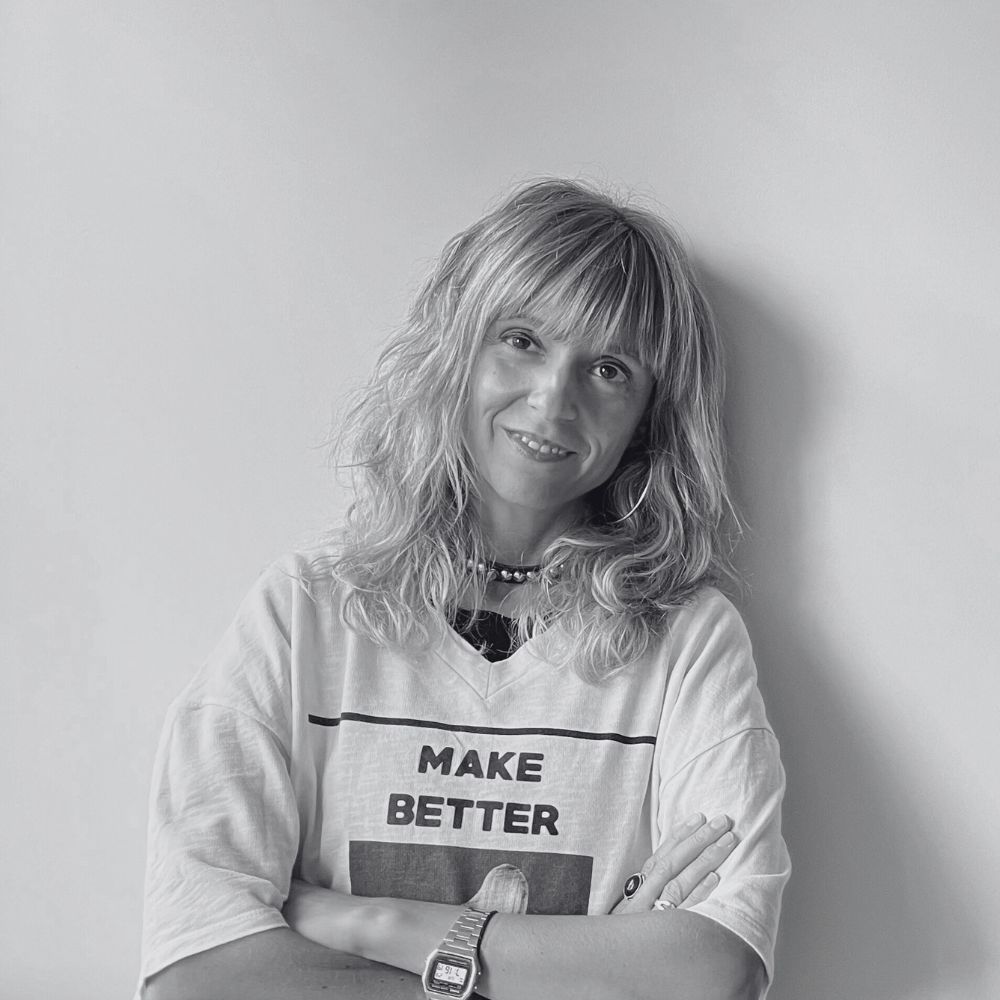
Nerea Ubieto
She holds a degree in Art History from the University of Zaragoza and a Master’s degree in Art Market and Valuation. She works as an independent curator, cultural manager, and art critic for ABC Cultural. Her multidisciplinary projects embrace a wide range of interests, with a particular focus on philosophical themes related to dissident identities, feminisms, esoteric knowledge, and spirituality. Highly active in fostering relationships among diverse artistic agents, she has extensive experience in both private and institutional contexts. She is currently touring two international group exhibitions: Portals to the Unknown with the Instituto Cervantes and The Disarmed Eye with AECID (Spanish Agency for International Development Cooperation).
Among her most recent exhibitions are: Limbo. Enrique Radigales at IAACC Zaragoza; Insight. Rachel Valdés at Galería Jordi Mayoral, Barcelona; Afectos fugaces. Jesús Madriñán at La Térmica, Málaga; X-Files. The Truth Is In There at DA2 Museo Domus Artium, Salamanca; The Other Language. India Toctli at Sala Maruja Mallo, Las Rozas City Council; Collapse Drive. Olalla G. Valdericeda and Ramón Mateos at ARCO 2025 and Freijó Gallery, Madrid; Spaces and Vulnerability at the Teruel Museum; 1, 2… Action! touring throughout the Community of Madrid; Circular Traces at ARCO 2024; Threading the Void at Galería de Arte a Ciegas; Chrysalis at the Museo de Genalguacil; Something, Nothing, Always. Vari Caramés at Canal de Isabel II, Madrid; Jaam rek by Paula Anta at Galería Daniel Cuevas, Madrid; Primum non Nocere by Romina Rivero at El Almacén, Lanzarote; and The Game of the Unexpected by Montserrat Gómez de Osuna at MAC Florencio de la Fuente, Cuenca.
She has directed lecture series, performances, curatorial courses, and workshops, and is a contributing scriptwriter for Metrópolis on RTVE.
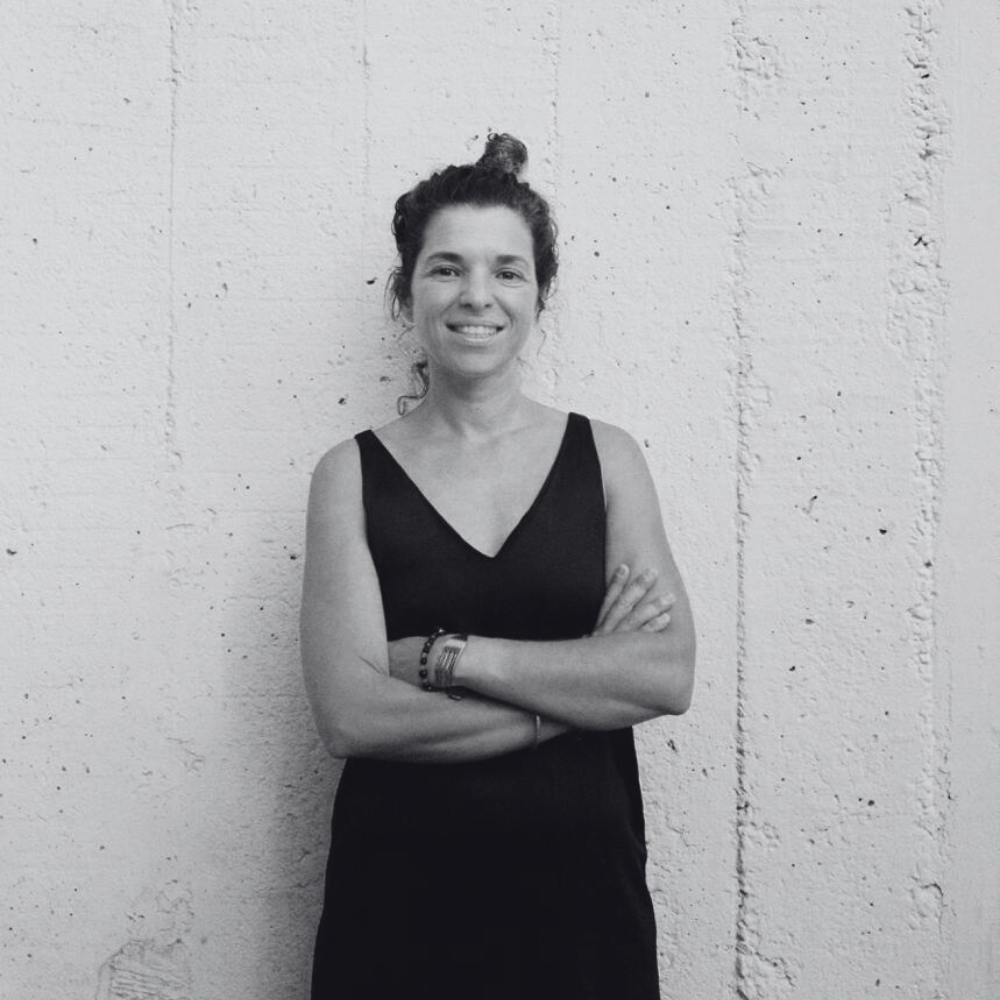
Francesca Tur
Named by Forbes as one of Spain’s 40 leading futurists in 2021, Francesca Tur Serra analyzes context and the present moment from multiple perspectives: media, creative research, and teaching. Through communication, she maps contemporary culture at Tendencias.tv, a platform she co-founded with friends in 2006 and which now operates as an online space amplifying emerging voices, projects, and proposals. From the field of creative research, she collaborates with projects, companies, and initiatives, providing strategic creative foresight consulting. Her exploratory space is Hacking the World, from which she questions the present moment.
She co-authored the book Resilient Retail: New Views, New Perspectives with Berta Segura for Comertia. In academia, she co-directs the Master’s Degree in Fashion Brand Creation at EsDesign and is a guest lecturer at various schools. She publishes in different media outlets and was the trends specialist on RTVE’s program TIPS. She is also a mentor and investor in early-stage projects, a supporter of young talent, a believer in mixing “enthusiasm with experience,” Ibizan, and happy.
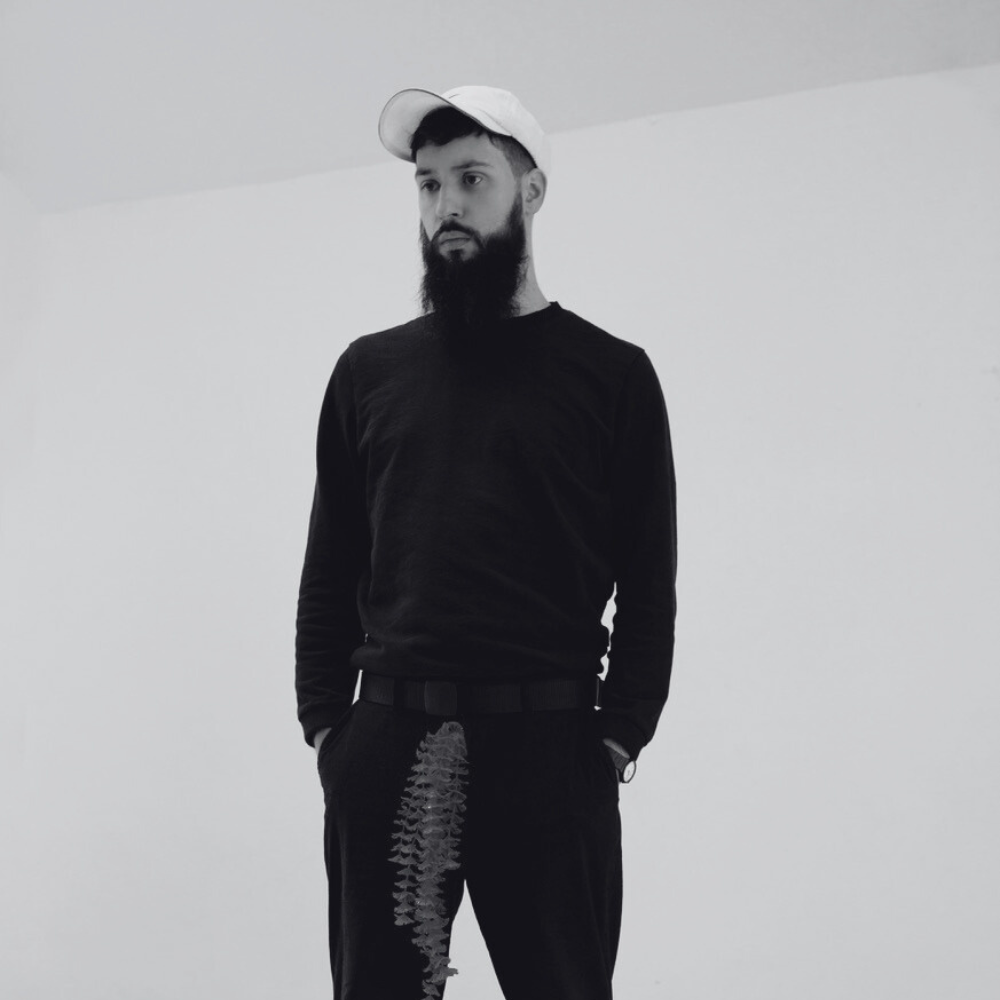
Joel de Blanco
Joel Blanco is an artist and designer whose practice spans the visual arts, design, and research. His work explores alternative visions of the future, the construction of meaning through symbolic systems, and the role of design in shaping ideological and aesthetic imaginaries. Through sculpture, digital media, and writing, he investigates how narrative, visual culture, and technology intersect in the production of power and identity.
His practice is influenced by media culture, networked flows of information, and shifting perceptions of time in the digital age. He examines how contemporary visual languages are infused with traces of the past and projections of the future, particularly within institutional and cultural contexts.
In 2025, during a residency at the Spanish Academy in Rome, he developed a research project focused on imperial aesthetics, masculinity, and the persistence of classical symbolism in contemporary Western culture.
He is Curatorial Director of MAYRIT, a biennial dedicated to critical design practices, and a researcher at The New Centre for Research & Practice. He also works as a strategic consultant for institutions and organizations, developing speculative design methodologies and future-visualization tools to facilitate reflection and decision-making processes in contexts of high cultural and technological complexity.
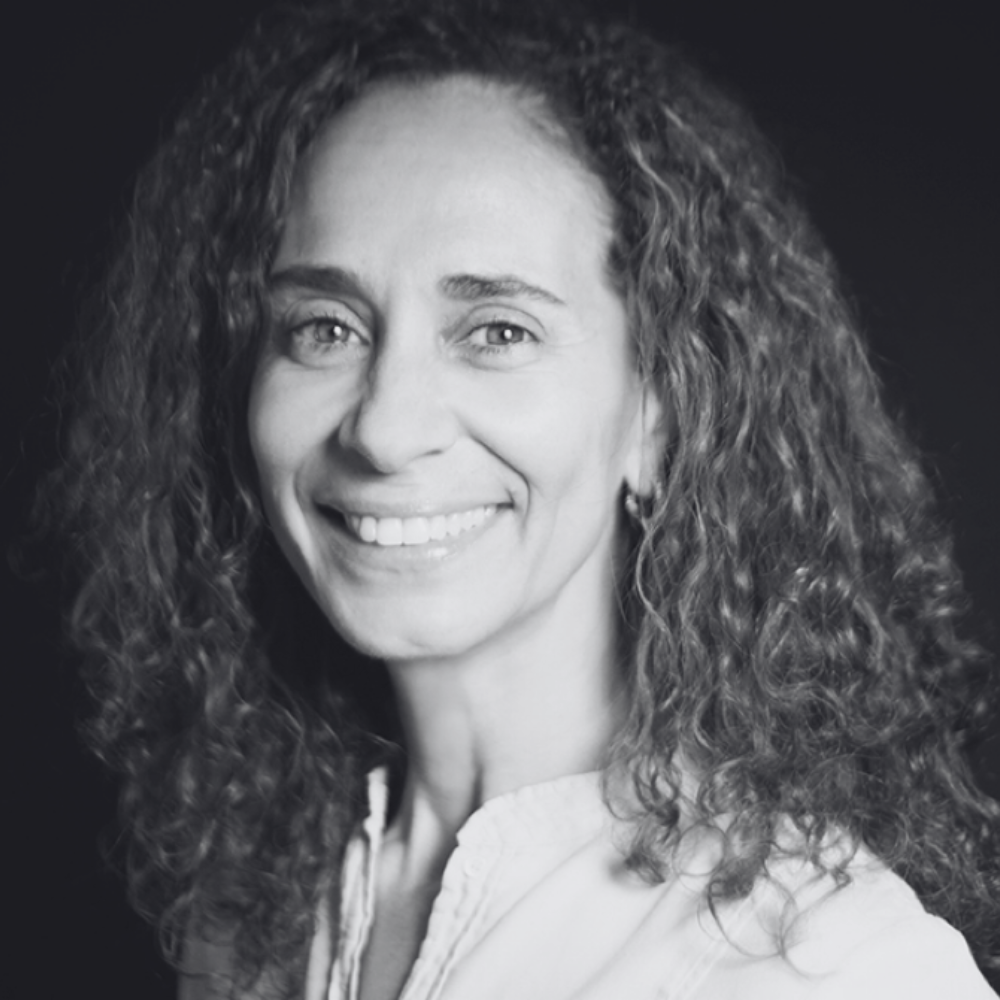
María Zozaya
She holds a degree in Art History from the Complutense University of Madrid and has worked in the field of exhibitions and publications for various institutions, including Fundación la Caixa in Madrid, the Calcografía Nacional at the Royal Academy of Fine Arts of San Fernando, Centro Cultural Conde Duque, and the Regional Government of Castile and León.
She is currently part of the Exhibitions team at Fundación Juan March, where she leads exhibition projects and their corresponding publications. She has been part of the curatorial team for, among others: Wyndham Lewis, 1882–1957 (2010), Treasure Island. British Art from Holbein to Hockney (2012), The Modern Taste. Art Deco in Paris, 1910–1935 (2015), William Morris and Company: The Arts and Crafts Movement in Great Britain (2017), Genealogies of Art, or the History of Art as Visual Art (2019), Hold Still: A History of Photography (2022), and You Have to See It: The Autonomy of Color in Abstract Art (2025).